



Ever see a red carpet look that just stops you in your tracks? It feels like alchemy, a kind of magic that separates a good dress from a great one. But it's not magic. It’s a masterclass in the deliberate use of shape, surface, and proportion.
Start with the Shape
Before you
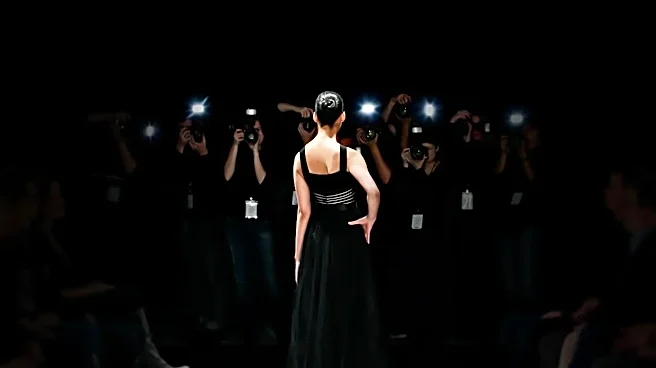
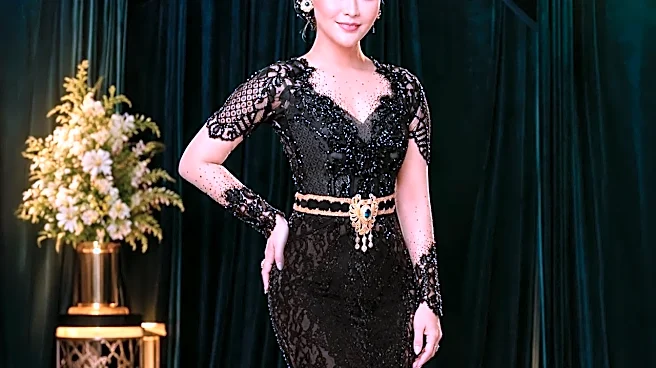
notice the color or the sparkle, your brain registers the overall outline of a garment. This is its shape, or silhouette, and it’s the foundation of any look. Think of it as the architectural blueprint. Is it an A-line, flaring out gently from the waist to create a classic, romantic feel? Or is it a sheath, clinging to the body’s curves for a sleek, modern, and often sultry effect? A ball gown creates drama and fantasy with its voluminous skirt, while a mermaid silhouette offers a theatrical flair by hugging the body before flaring dramatically at the knee. Each shape tells a different story. The silhouette sets the mood and establishes the core message of the outfit before a single bead or button is considered. Learning to identify the basic shape is the first step to understanding why a garment makes you feel a certain way.
Consider the Surface
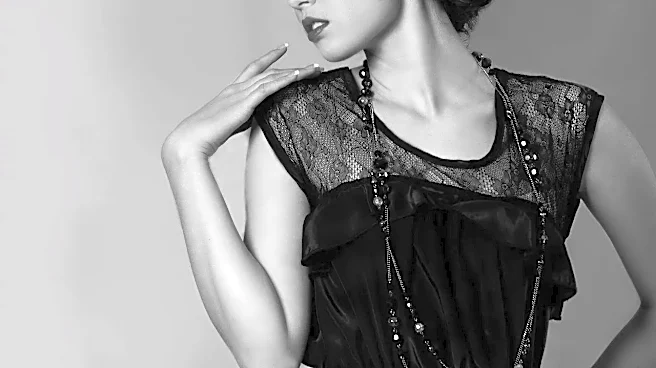
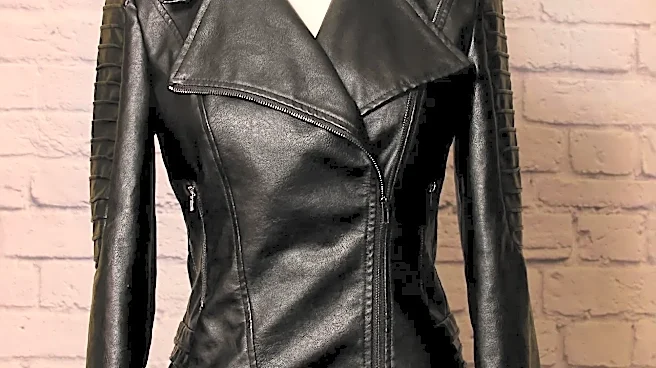
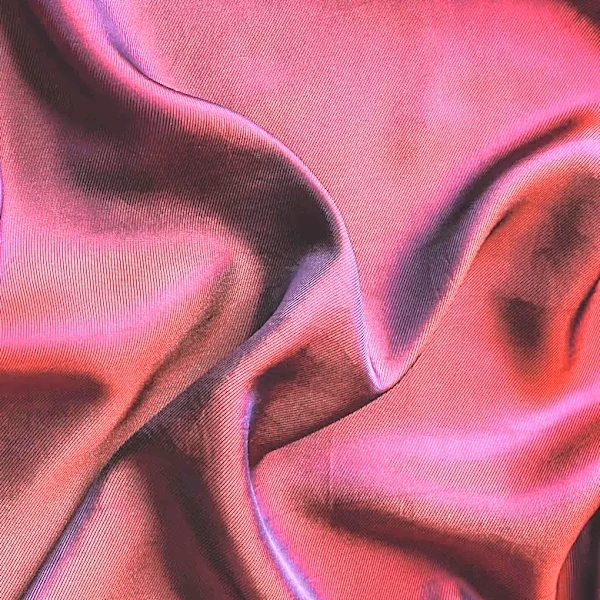
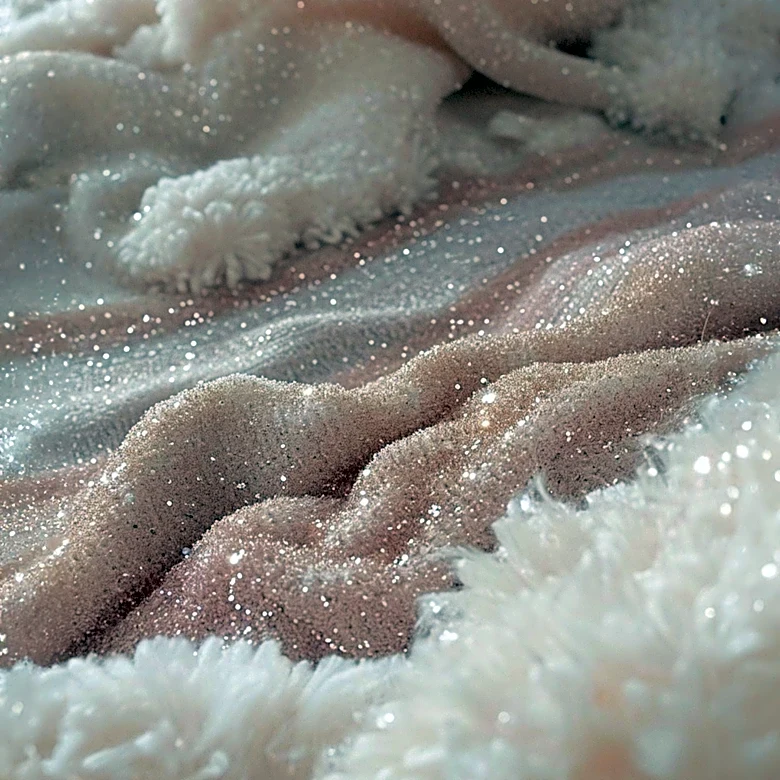
Once you’ve identified the shape, zoom in on the surface. This is all about texture and material. How does the fabric interact with light and movement? A dress made of liquid silk satin will pour over the body, catching light with every step and creating a sense of fluidity and elegance. The same silhouette in a heavy, plush velvet absorbs light, giving it a rich, deep, and more formal appearance. Then there are the embellishments—the language of the surface. Are we talking about the intricate, delicate texture of lace, which suggests romance and heritage? Or is the surface covered in a field of sequins that shimmer and dance, creating an mood of celebration and unapologetic glamour? The surface is where a designer’s storytelling gets specific. It can make a simple shape feel complex, an old silhouette feel new, and a bold look feel even bolder. It’s the difference between a whisper and a shout.
Master the Proportions
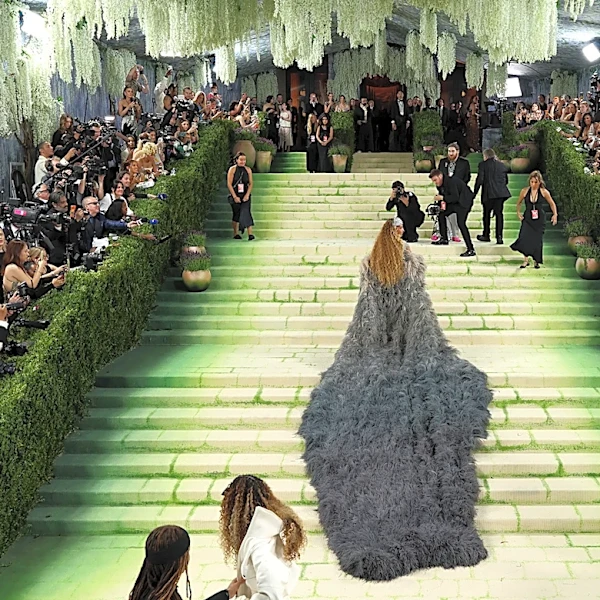
Proportion is perhaps the most complex and most powerful element of the three. It’s not about the individual pieces, but how they relate to each other—and to the body wearing them. This is the design principle that ensures a look feels balanced, harmonious, and intentional. Proportion dictates where the waistline hits. A high, empire waist can elongate the body, while a dropped waist can feel more relaxed and avant-garde. It’s in the volume of a sleeve balanced against a narrow skirt, or the length of a hemline in relation to a shoe. Designers often play with proportion to create a specific effect. An oversized bow might seem whimsical, but its placement is a calculated decision to draw the eye to a particular spot. A long train on a simple gown is all about playing with proportion to create a dramatic, memorable exit. When a look feels 'off' but you can't say why, it’s often a matter of proportion. When it feels perfectly, breathtakingly 'right,' that is proportion working its subtle magic.