





Lesson for Broadway: Embrace Radical Participation
Burning Man is governed by ten core principles, and one of the most transformative is "Participation." The idea is simple: there are no spectators. Everyone is expected to contribute to the experience, whether by creating art, performing, or simply engaging
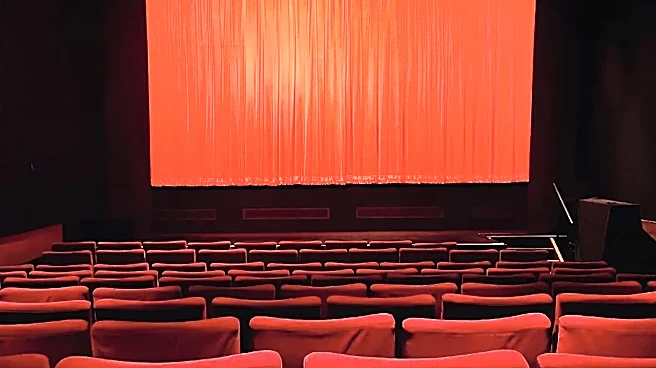
with others. This philosophy turns a passive crowd into an active community. Broadway, by contrast, is built on the fourth wall—a sacred, invisible barrier between the performers and a quiet, observant audience. While this allows for focused storytelling, it can also create a sterile distance. The lesson isn't to have audiences storm the stage, but to invite them into the story more directly. Immersive shows like "Sleep No More" and the revival of "Cabaret," which transformed its theater into the Kit Kat Club, are a step in this direction, proving audiences are hungry for experiences that make them feel like part of the world, not just visitors. By creating more opportunities for the audience to be co-creators, not just consumers, Broadway can tap into the powerful energy of collective effort.
Lesson for Broadway: The Power of Immediacy
Another Burning Man principle is "Immediacy," the idea of being fully present in the moment, unmediated by screens or distractions. In an age of constant digital noise, this is a radical act. While theater is inherently a live medium, the experience can sometimes feel remote, perfectly replicated night after night. Burning Man’s magic lies in its ephemeral, unrepeatable moments—a chance encounter, a spontaneous performance, art designed to be destroyed. Broadway can learn from this by engineering more moments that feel unique to a single performance. This could mean more direct address to the audience, structured improvisation, or environmental elements that change slightly each night. The goal is to break the routine and remind the audience that what they are witnessing is a singular event, happening only for them, right now. It reinforces that live performance is something special that can't be replicated on a screen.
Lesson for Burners: The Value of Curation and Craft
Now, let’s flip the script. What can the chaotic creativity of the desert learn from the refined structure of the Great White Way? The answer is curation and craft. A Broadway show is the result of thousands of hours of painstaking work from writers, composers, directors, and designers. Every word, note, and lighting cue is deliberately chosen to evoke a specific emotion and serve a narrative. This level of polish is what elevates a performance from an interesting idea into a transcendent emotional journey. While Burning Man's ethos of "Radical Self-expression" means all contributions are welcome, this can lead to a cacophony where brilliant art sits next to half-baked projects. A touch more curation—not to create hierarchy, but to guide and elevate—could help the incredible creativity on the playa have an even greater impact.
Lesson for Burners: The Magic of a Well-Told Story
The greatest strength of Broadway is its mastery of storytelling. A two-hour musical can take an audience through a complete emotional arc, leaving them changed by the end. Burning Man is a landscape of incredible moments and spectacles, but it often lacks a cohesive narrative thread beyond the festival's own traditions. The experiences are personal and powerful, but can sometimes feel like a collection of disjointed vignettes. By embracing the principles of narrative craft, Burner artists could create installations and performances that tell a more complete story. This doesn't mean imposing a single plot on the entire event, but rather encouraging artists to think more like playwrights. A well-structured narrative can turn a visually stunning art piece into something deeply moving and memorable, ensuring its message resonates long after the embers have cooled.