




The Anatomy of a Gala Screening
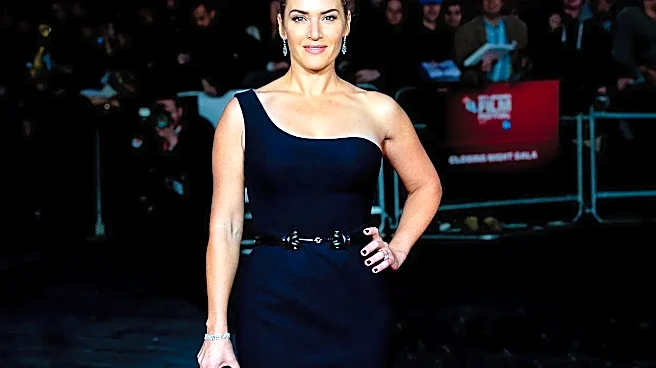
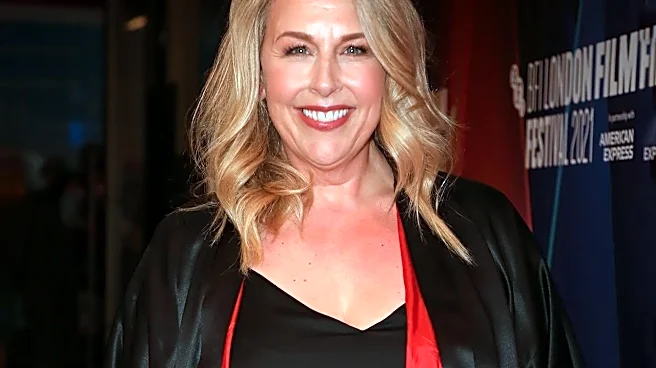
Not all festival slots are created equal. At the BFI London Film Festival (LFF), a 'Gala' screening is the cinematic equivalent of a front-page headline. These are the marquee events held at prestigious venues like the Southbank Centre's Royal Festival Hall,
reserved for the year's most anticipated films. Getting a gala isn't just about showing your movie; it's a powerful endorsement from the festival itself. The LFF, now in its 70th year, uses these slots to signal a film's importance. For 2026, films like Luca Guadagnino's 'Artificial' and Danny Boyle's 'Ink' are among those given this prime placement, immediately setting them apart from the 250+ other titles at the festival. It's a declaration that this is a movie you need to pay attention to.
Opening vs. Closing: A Strategic Choice
The festival's bookends—the Opening and Closing Night Galas—carry the most weight. Opening Night sets the tone for the entire 12-day event. For 2026, that honor went to 'Elsinore', starring Andrew Scott, instantly positioning it as a major talking point. The closing film, 'The Debut' from director Jesse Eisenberg, gets the final word, leaving a lasting impression on audiences and critics just as the festival wraps up. The strategy behind this placement is crucial. An opening film can build immediate, explosive buzz that carries through the festival, while a closing film aims to be the one everyone is still talking about as they head home, cementing its status just as the awards conversation intensifies.
Before: The Hopeful Contender
Imagine a film arriving in London in early October. It might be a critical darling from a smaller festival or a movie with a respected director but no mainstream traction. It has potential, but in the crowded field of fall releases, it's just one of many. This is the 'before' picture. The film's team is hoping for a breakthrough moment—a wave of rave reviews, a standing ovation, and the kind of social media chatter that can't be bought. They are vying for a spot on the awards circuit, which has increasingly made LFF a crucial stop. Films like 'Ray Gunn' and 'Paper Tiger' entered the 2026 festival with exactly this kind of ambition, looking to use the London platform to launch their campaigns.
After: The Certified Awards Player
A successful gala can be transformative. When the lights come up and the London audience erupts in applause, a film's narrative shifts. Suddenly, it's not just a 'good film' but a 'must-see contender'. Glowing reviews from UK press are syndicated globally, and social media lights up with Oscar predictions. This is the 'after' effect. A strong showing at LFF provides a critical seal of approval that can directly influence BAFTA and Academy voters. The festival's public-facing nature means the buzz is generated not just by industry insiders but by enthusiastic moviegoers, adding an hideous layer to its campaign. A film leaves London with momentum, prestige, and a clear story for awards season voters: 'This is one of the year's best.'
London’s Unique Position
Unlike Sundance, which is about discovery, or Cannes, which is also a major market, the BFI London Film Festival's primary role is that of a tastemaker. It curates the 'best of the best' from other global festivals and adds its own significant premieres, presenting them to a large, savvy, public audience. This strategic position, coming late in the festival calendar but before the final awards push, makes it a powerful amplifier. For a film, a successful run here doesn't just mean good press; it means solidifying its place in the cultural conversation. It's the moment a movie stops being a festival film and starts its journey toward becoming a classic.