

The Arena Show Is a Polished Illusion
Let’s be clear: a headlining arena tour is an incredible experience. It’s the culmination of an artist’s vision, a two-hour deep dive into their catalog backed by jaw-dropping production, intricate lighting, and a crowd of thousands who bought a ticket
specifically to see them. Every moment is rehearsed to perfection. The setlist is a carefully crafted narrative of peaks and valleys, the video screens tell a story, and the pyro goes off at the exact right millisecond. It’s a victory lap. But that perfection is also a shield. In the controlled environment of their own tour, an artist is playing to a home-field advantage. The fans will sing every word, forgive a missed note, and cheer on command. It’s a flawless presentation, but it’s also a form of control that can mask underlying weaknesses.
The Festival Set Is a Pressure Cooker
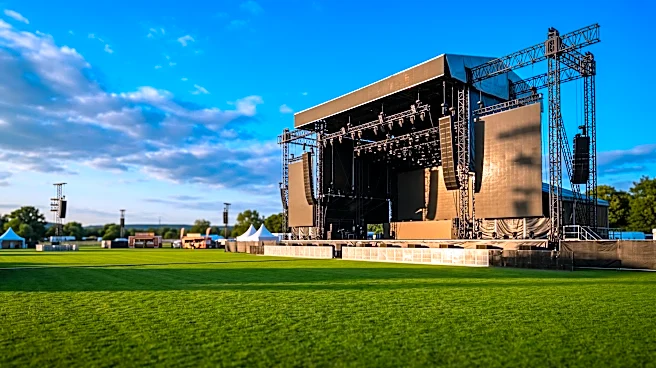
Now, drop that same artist onto a festival stage like Austin City Limits (ACL) at 4:30 in the afternoon. The sun is beating down, the set time is a brisk 45 to 60 minutes, and the audience is a chaotic mix of die-hard fans, curious passersby, and people just sitting on a blanket waiting for the next act. There are no elaborate costume changes, no sprawling, custom-built stage. Often, the soundcheck is rushed, and the band is sharing a backline with five other groups. This is where the truth comes out. Stripped of their usual theatrical armor, a performer has to rely on something more fundamental: raw talent, undeniable charisma, and a killer collection of songs that can connect immediately. There’s no time for slow-burn B-sides or indulgent monologues. The 45-minute slot is a sprint, not a marathon. It forces an artist to be economical and impactful, to deliver a highlight reel of their absolute best work.
Winning Over the Undecided Voter
An arena crowd is a forgone conclusion; a festival crowd is a jury. Thousands of people are seeing you for the first time, judging you against the band playing on the stage across the field. Can you grab their attention? Can you make them put down their giant pretzel and walk toward your stage? The real magic of a festival set is watching an artist win over a sea of strangers. It’s a real-time battle for ears and eyeballs. A great band can turn a sparse afternoon audience into a packed, dancing crowd by the end of their set. You can see the moment it happens—a killer chorus hits, the energy shifts, and hundreds of people who were just milling around are suddenly hooked. That conversion, that act of musical persuasion, is something you never get to witness at a headlining show where everyone is already a believer.
It’s About Guts, Not Gadgets
Ultimately, the arena show demonstrates an artist’s power, but the festival set reveals their character. It’s a test of nerve and instinct. Can you still command a stage when half your production is gone and the person in the front row is wearing another band’s t-shirt? Do your songs hold up without the million-dollar light show? For many legacy acts, the answer is a resounding yes, proving their endurance. For newer artists, it's the ultimate trial by fire, separating the future headliners from the studio creations. While an arena show is an immersive, perfected fantasy, the festival set is an unfiltered dose of reality. It’s messy, unpredictable, and utterly revealing. And in that raw, imperfect setting, you often find the most honest version of the artist you thought you knew.