




A Hero Defined by Duty, Not Romance
From the very beginning, Moana’s story charts a different course. Unlike predecessors whose narratives were driven by finding a spouse, Moana is driven by a deep-seated sense of responsibility to her people and her island. She is introduced as the future
chief of Motunui, a role she takes seriously, learning the practicalities of leadership from her father. The central conflict isn't a love triangle, but an ecological crisis threatening her home. Her journey isn't to win a prince's heart but to save her community. This departure was groundbreaking; for the first time in a Disney “princess” film, a romantic subplot wasn't just secondary—it was entirely absent. Her primary relationships are with her wise grandmother, who encourages her quest, and the reluctant demigod Maui, who serves as a foil and eventual friend, not a love interest.
The Quest for Identity
At its core, Moana is a story about identity. The film masterfully explores the tension between who you are, who your family wants you to be, and who you are destined to become. This is powerfully expressed in the film's signature song, “How Far I’ll Go,” an anthem of self-discovery that resonated with millions. The song, which earned an Academy Award nomination, isn't about yearning for a lover, but about the pull between a comfortable life and an unknown calling. Moana's journey is one of self-reliance, where she must learn to navigate not just the ocean waves but also her own doubts and fears. She is chosen by the ocean, but ultimately, she has to choose her path and prove herself capable. This focus on an internal journey of empowerment, rather than external validation through romance, made her a role model for a new generation.
Riding a Cultural Wave
Moana didn't emerge in a vacuum. She was part of a larger evolution in Disney storytelling that had been building for years. Films like Pixar's Brave (2012) and Disney’s own Frozen (2013) had already begun to prioritize familial bonds over romantic ones. Brave's Merida outright rejected the idea of an arranged marriage, while Frozen famously centered on the love between two sisters. Moana took this a step further by making the heroine's journey entirely independent of romance from the start. She wasn’t rebelling against marriage like Merida; the topic simply never comes up. This reflected a broader cultural shift where audiences were eager for female heroes defined by their courage, intelligence, and leadership—qualities Moana has in spades. Her success proved that a compelling story didn't need a prince to feel complete.
A Rich World to Explore
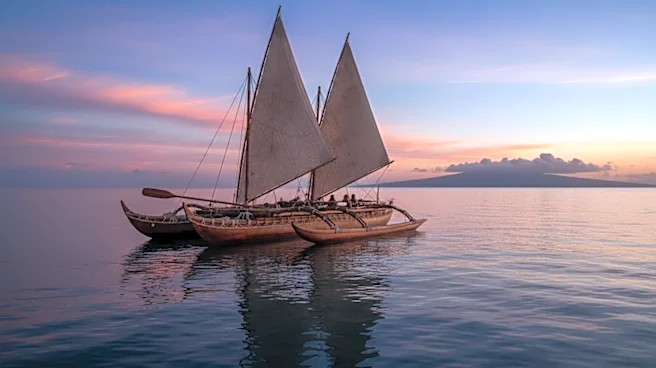
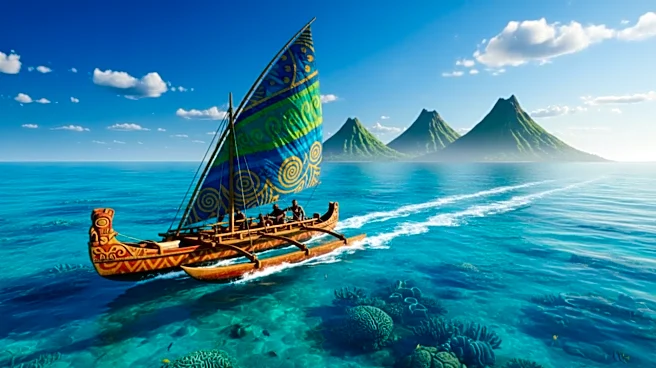
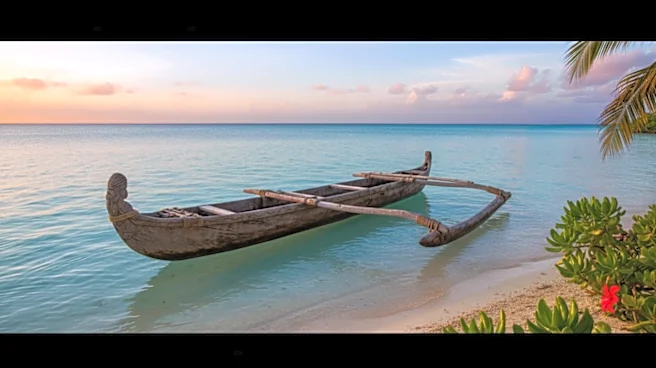
A huge part of Moana's appeal lies in its stunningly beautiful and culturally rich setting. Disney's creation of the “Oceanic Story Trust,” a group of experts from the Pacific Islands, ensured a level of authenticity and respect previously unseen in some of the studio's past films. The film celebrates Polynesian traditions of wayfinding and exploration, weaving history and mythology into a vibrant narrative. This deep-seated cultural foundation gives the story weight and specificity. The world felt real, the stakes felt high, and the heroine’s connection to her heritage was the source of her strength. Instead of a generic European-inspired castle, audiences were transported to the lush, living island of Motunui and the vast, dynamic Pacific Ocean, which was itself a character in the film.
An Enduring Legacy
A decade after its release, the original film's immense popularity is undeniable, cemented by its status as a streaming giant and a box office success that grossed over $680 million worldwide. The character's staying power is further proven by a massively successful animated sequel in 2024 and the confirmation of a third animated film. While the 2026 live-action remake has faced criticism for being too soon and too faithful to a film that is still fresh in the collective memory, its very existence speaks to the franchise's commercial power. Moana's success wasn't in spite of her not having a prince; it was because of it. She set a new standard, proving that a hero’s journey is compelling enough on its own. She didn't need saving—she was the one doing the saving.