


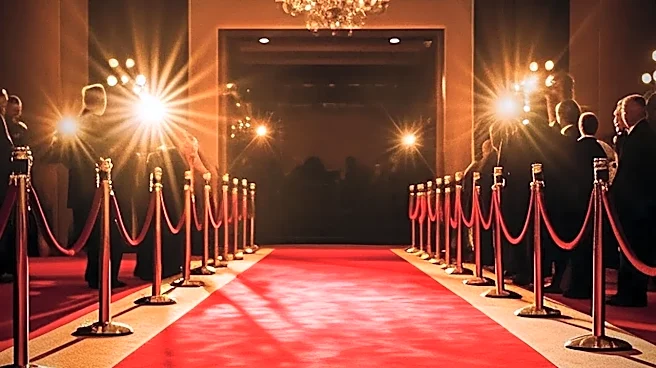
The Oldest and Most Mythical Stage
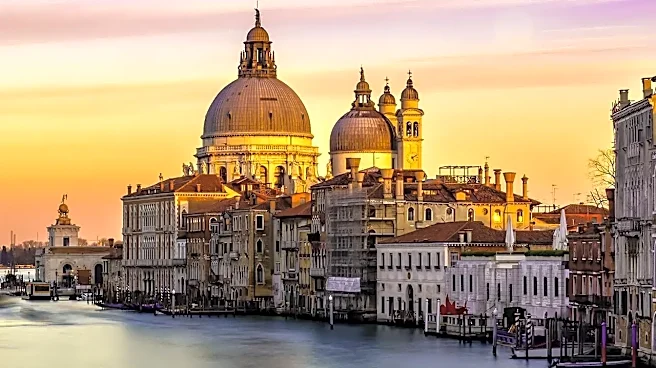
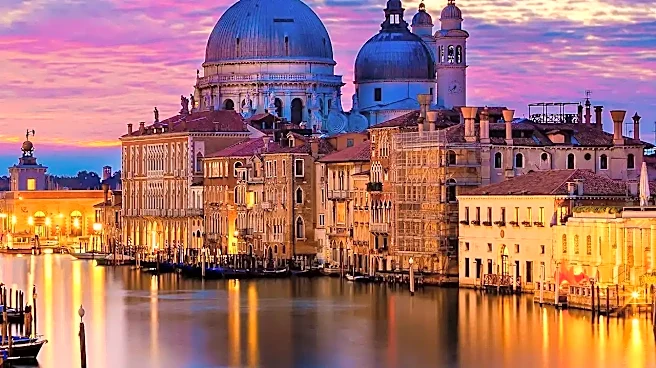
Before Cannes had its Croisette and before Sundance became the king of American indie film, there was Venice. Established in 1932, it is the world’s oldest film festival, a fact that imbues it with a sense of historical weight that money can't buy. Unlike
the sprawling, market-driven chaos of other major festivals, Venice retains an air of curated elegance and mystique. It takes place on the Lido, a thin island separating the Venetian Lagoon from the Adriatic Sea, forcing a level of intimacy. This isn't just a place to sell movies; it’s a place where cinematic history is consciously made, where a premiere at the historic Palazzo del Cinema feels less like a screening and more like an induction. For a filmmaker from a country with a fledgling film industry, stepping onto that stage is a monumental leap from the regional to the world stage.
The Power of the Golden Lion
The festival's highest prize, the Golden Lion, is one of the most prestigious awards in all of cinema. Winning it—or even just competing for it—confers an immediate and powerful legitimacy. Consider when Akira Kurosawa’s “Rashomon” won in 1951; it single-handedly opened the door for Japanese cinema to gain a foothold on the international scene. More than just a trophy, the Golden Lion is a signal to critics, distributors, and audiences worldwide that a film demands to be taken seriously. It acts as an editorial endorsement, separating a film from the thousands produced each year and declaring it artistically vital. For a director without a blockbuster marketing budget, this anointment is priceless. It can secure international distribution deals and spark awards-season buzz that would otherwise be unimaginable.
The Launchpad Effect in Action
The Venice launchpad is particularly crucial for films from nations with smaller cinematic outputs. When a major Hollywood film premieres, it already has a built-in marketing machine. But when a film from a country like Tunisia, India, or Mexico screens in competition, it’s often the first time the world's most influential critics and buyers will see it. A rapturous reception in Venice can create a tidal wave of media attention. For example, the win for Alfonso Cuarón's “ROMA” in 2018, a black-and-white, Spanish-language film, was a pivotal moment, demonstrating that a Venice premiere could propel a foreign-language film directly into the heart of the Oscar race, even with a non-traditional streaming release. More recently, wins and major prizes for films like Tunisian director Kaouther Ben Hania's “The Voice of Hind Rajab” or Indian director Anuparna Roy's “Songs of Forgotten Trees” in the festival's various sections underscore Venice’s commitment to global voices.
A Stage for Art in a Commercial World
In an era where the film industry is increasingly dominated by tentpole franchises and data-driven streaming content, Venice has doubled down on its identity as a bastion of auteur-driven, personal filmmaking. The festival's programming often favors bold, original voices over commercial safety. This focus creates a unique opportunity for smaller national cinemas that often produce exactly this kind of personal, culturally specific, and artistically ambitious work. While a blockbuster might dominate the box office, it’s often a quieter, more challenging film from Venice that dominates the cultural conversation for months to come. The festival provides a powerful, if temporary, megaphone, allowing a singular artistic vision to be heard above the commercial noise. It’s a reminder that in the right setting, the most personal story can become the most universal.