

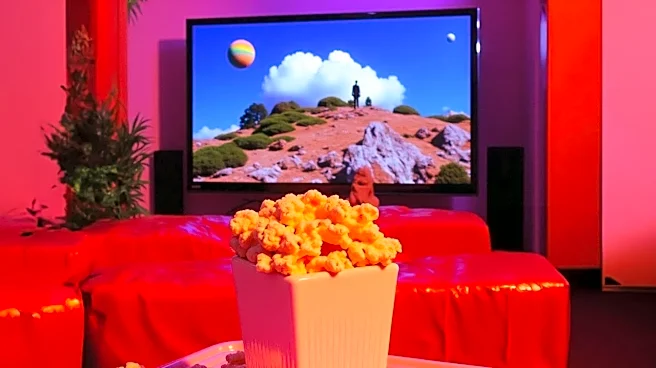
When September Meant Event TV
Before streaming services offered an endless, year-round buffet of content, the television landscape was governed by a strict calendar. The fall premiere season, running from September through December, was the main event. This tradition began partly
because the television industry inherited its schedule from radio, and also because advertisers, particularly car manufacturers, used this window to roll out their new models to a captive audience. Viewership historically dipped in the summer as people vacationed and spent more time outdoors, making fall the ideal time to launch big shows. This created a sense of occasion. Networks would release special fall preview guides, and publications like TV Guide became essential reading. Families would gather, appointments would be made, and the weekly release schedule fostered a shared cultural conversation around what happened last night on a handful of major networks.
The Ritual Was Part of the Fun
The nostalgia we feel isn't just for the shows themselves—from 90s sitcom blockbusters to the dramas of the 2000s—but for the ritual surrounding them. It was about the anticipation. You had to wait a full week for the next installment, giving you time to speculate with friends and coworkers. Entire evenings were built around broadcast schedules, like ABC's TGIF lineup or NBC's 'Must See TV' on Thursdays. In a world of limited choice, these programming blocks created a powerful, unified viewing experience. The water cooler conversation was real because everyone was, for the most part, watching the same thing at the same time. This shared schedule created cultural touchstones and a sense of collective experience that has become increasingly fragmented in the modern media era.
How Streaming Changed the Game
Enter streaming. Services like Netflix and Hulu dismantled the traditional broadcast model by releasing entire seasons at once and dropping new shows whenever they were ready. The concept of a coordinated "fall season" began to feel antiquated. Viewers were no longer beholden to a network's schedule; they were in complete control. This shift brought incredible convenience and a vastness of choice that was previously unimaginable. However, it also led to a more solitary and fractured viewing experience. The communal thrill of a season premiere was replaced by the individual race to finish a binge-watch before spoilers appeared online. The water cooler discussion splintered into countless different conversations about countless different shows, all being watched on different timelines.
Finding the New Fall Feeling
Even though the landscape has changed, the fall TV feeling isn't entirely gone—it has just evolved. Broadcast networks still save many of their major premieres for the autumn months, hoping to capture that traditional audience. More telling, however, is how streaming services are now borrowing from the old playbook. Major hits on platforms like Disney+, Max, and Apple TV+ often adopt a weekly release schedule. This is a deliberate strategy to build suspense, dominate the cultural conversation for weeks at a time, and recreate the 'event TV' status that broadcast networks once monopolized. This hybrid model proves that the desire for shared anticipation is still powerful. While the industry may never return to the rigid simplicity of the past, that throwback feeling remains a potent form of comfort, reminding us of a time when gathering around the television was a ritual all its own.