


The Ethereal Elf: Nature and Nobility
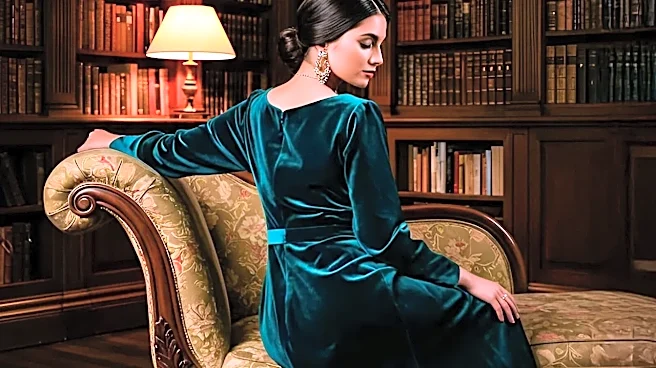
Elven fashion is all about communicating grace, ancient lineage, and a deep connection to the natural world. Costume designers lean on light, flowing fabrics that move with an otherworldly elegance. Think silks, fine linens, and soft velvets in ethereal
shades of silver, white, deep green, or blue. These materials drape beautifully, creating a silhouette that feels both regal and fluid, as if the character is one with the wind. Symbolism is often woven directly into the clothing through intricate embroidery, with patterns mimicking leaves, stars, or flowing water to reflect their cultural roots. Even their armor often favors artistry over brute force, featuring delicate filigree and organic shapes. The overall effect is one of untouchable beauty and timeless wisdom, using textiles to signal that elves are not just inhabitants of their world, but a fundamental part of its magic.
The Earthly Witch: Power and Pragmatism
Forget the simple, pointy-hat caricature; the modern witch's wardrobe is a masterclass in texture and subtle power. While black is a classic choice, their textiles often speak to a connection with the earth and practical magic. Costume designers often use natural, homespun-style fabrics like heavy wool, gauze, and rough linen. These materials suggest a life lived outside of mainstream society, one of self-sufficiency and folk knowledge. Layers are key, mixing velvets, lace, and sheer fabrics to add a sense of mystery and depth. Earth tones like deep greens, browns, and burgundies are common, reflecting a bond with the natural world. The fabrics might be adorned with hand-stitched symbols, medicinal herbs, or talismans, turning the garment itself into a protective ward. It’s a look that says power doesn’t have to be flashy; sometimes it’s found in the quiet, resilient strength of the earth itself.
The Hardy Warrior: Durability and Story
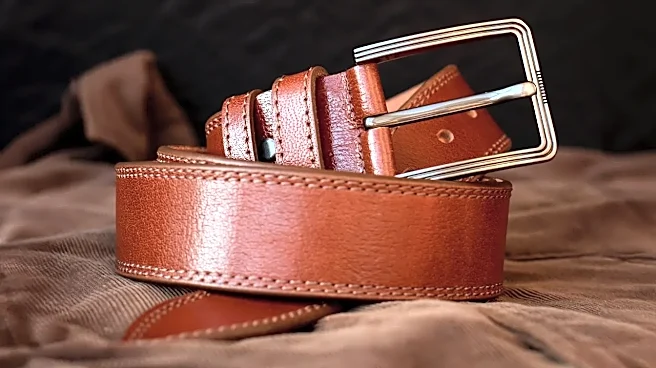
A warrior's clothing is their second skin, a functional biography written in leather, metal, and fur. The primary code here is practicality. Hardened leather offers protection while remaining flexible, making it a fantasy staple for armor. Heavy fabrics like wool, canvas, and animal hides provide warmth and durability against the elements. But beyond function, these textiles tell a story. Is the leather pristine and ornately tooled, suggesting a royal guard or a knight of high status? Or is it battered, scarred, and patched, telling tales of countless battles and a life on the road? The very materials can denote a warrior’s origin, from the furs of a northern barbarian to the lightweight linen worn by a fighter from a desert climate. Every scuff, stain, and repair adds to the character's history, making their outfit less of a uniform and more of a record of their survival.
The Elusive Rogue: Stealth and Anonymity
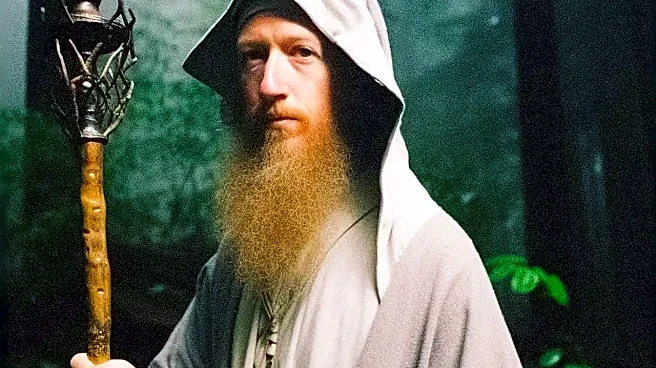
For the rogue, thief, or assassin, clothing is a tool for blending in and moving unseen. Their textile code is one of quiet functionality and anonymity. Soft, supple leather is a favorite, as it provides protection without making noise. Fabrics are chosen for stealth; think dark, muted colors in cotton or wool that don't catch the light and help the wearer fade into the shadows. Hoods, cloaks, and scarves are essential, not just for dramatic flair, but to conceal identity. A rogue’s outfit is rarely a single, cohesive suit. Instead, it’s often a hodgepodge of practical pieces—a well-made pair of boots, durable trousers, and multiple hidden pockets for the tools of their trade. This patchwork quality suggests a life of resourcefulness and constant movement, where clothing is acquired for its utility, not its beauty. The entire ensemble is built for mobility, ensuring nothing gets in the way of a quick escape.