
The Trap of 'Too Perfect'
For many American men, the path to dressing well is paved with rules. Your belt must match your shoes. Your tie and pocket square should be from the same silk swatch. Your suit should be pressed to a razor's
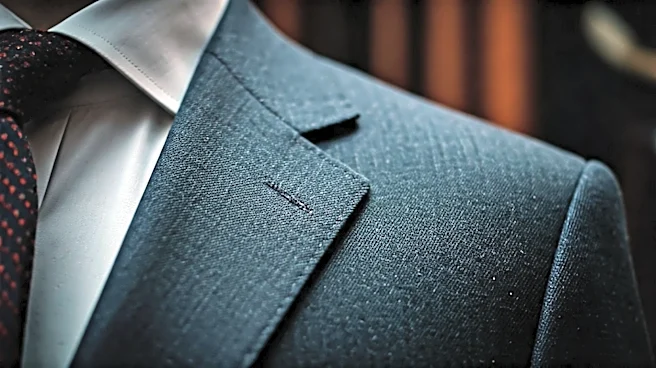
edge. Following these guidelines produces an outfit that is technically correct, but often feels sterile, stiff, and devoid of personality. It’s the look of a department store mannequin or a man on his first day at a corporate job who is terrified of getting it wrong. The effect is one of trying too hard—the very opposite of effortless cool. At Pitti Uomo, you’ll see men in breathtakingly tailored suits, but they actively rebel against this rigid perfection. They know that an outfit that looks overly considered can paradoxically make the wearer seem less confident, as if he’s wearing a costume he rented for the day.
The Art of Sprezzatura
The secret ingredient is a quintessentially Italian concept: *sprezzatura*. Coined in the 16th century by Baldassare Castiglione in *The Book of the Courtier*, it means a certain “studied carelessness.” The goal is to make difficult things look easy, to conceal the art and effort behind an action and make it appear natural and unforced. When applied to style, sprezzatura is the deliberate embrace of a minor, artful imperfection. It’s the sartorial equivalent of a confident shrug. It says, 'Yes, I know the rules, and I’m confident enough to bend them.' This isn't about being sloppy; true sprezzatura requires a deep understanding of fit, color, and proportion. You have to master the rules before you can break them with intention. It’s the difference between accidentally wearing mismatched socks and choosing to wear bold, patterned socks that playfully contrast with a conservative suit.
How It Looks in the Wild
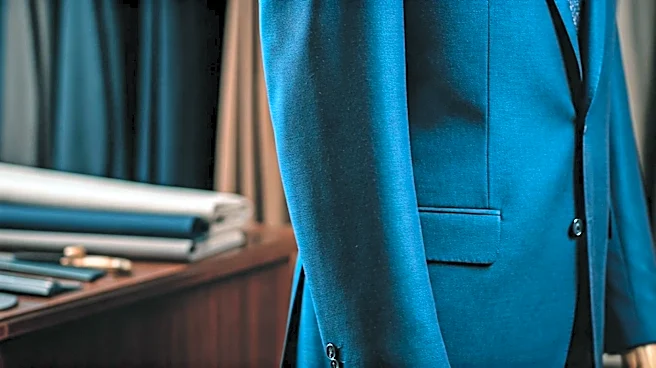
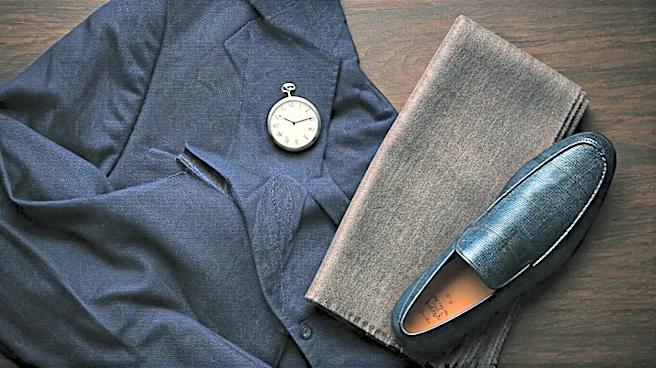
At Pitti, sprezzatura is a masterclass in motion. You’ll see it in the details. A man in a crisp double-breasted suit might leave one of his jacket’s functioning cuff buttons (a “surgeon’s cuff”) undone, a subtle flex that signals the suit is bespoke. A perfectly knotted tie might be just slightly askew, or its back blade might hang an inch longer than the front. A pocket square won’t be in a perfect, rigid TV fold; instead, it will be nonchalantly puffed or stuffed into the pocket. Other moves are bolder: a fine wool suit paired with suede loafers and no socks, a vintage military watch with a formal suit, or a beautifully faded linen shirt that’s intentionally, elegantly rumpled. These aren't mistakes. They are deliberate choices that inject humanity, personality, and a sense of lived-in ease into an otherwise formal look. They prevent the clothes from wearing the man.
Bringing a Touch of Imperfection Home
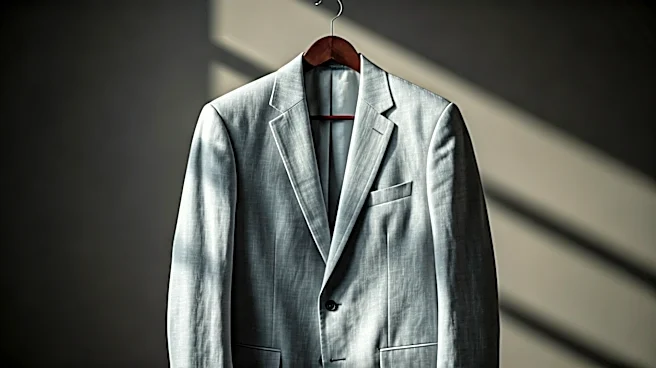
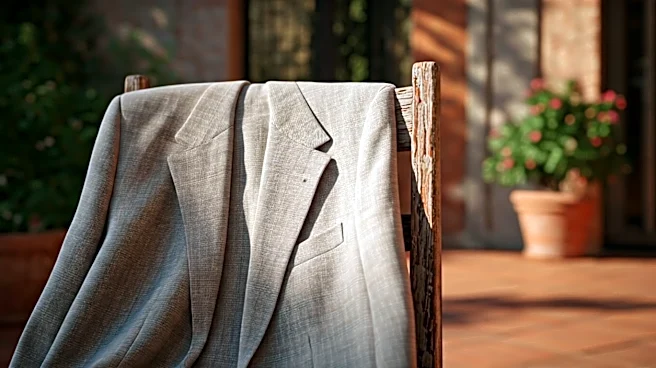
You don’t need to be strolling through a Florentine piazza to adopt this mindset. For the American man, it’s about loosening the grip of rigid style dogma. Start small. Instead of a perfectly matching tie and pocket square, choose a square that picks up a secondary color from your shirt or tie, creating a harmony rather than a match. Roll up the sleeves of your Oxford shirt with a bit of nonchalance rather than a perfect, symmetrical cuff. Try wearing a well-tailored blazer with a high-quality, plain t-shirt instead of a dress shirt. Let your linen jacket get a little wrinkled—that’s what linen is supposed to do. The point isn’t to look messy, but to look comfortable and authentic. It’s about letting your personal style breathe and showing that your clothes are a part of your life, not a suit of armor you put on every morning.