
The In-Person Vibe: There’s Nothing Like It
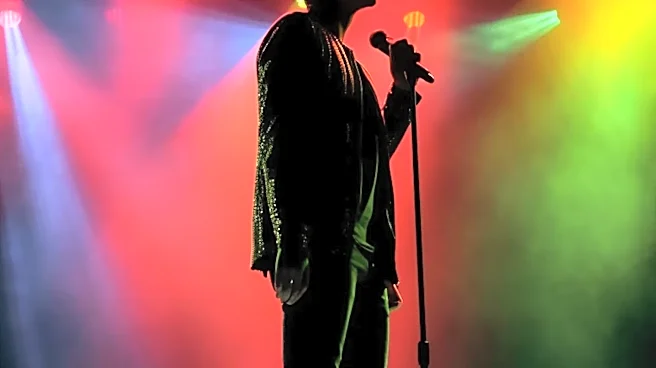
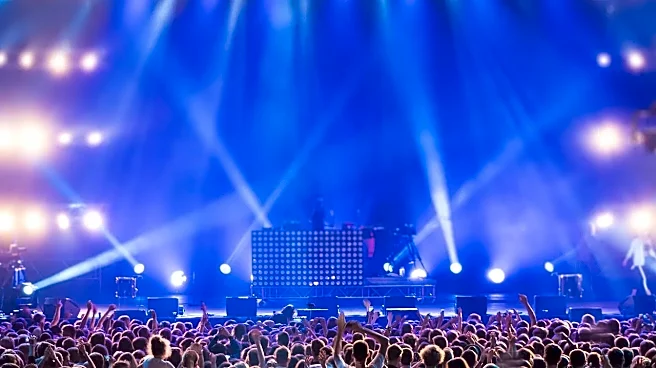
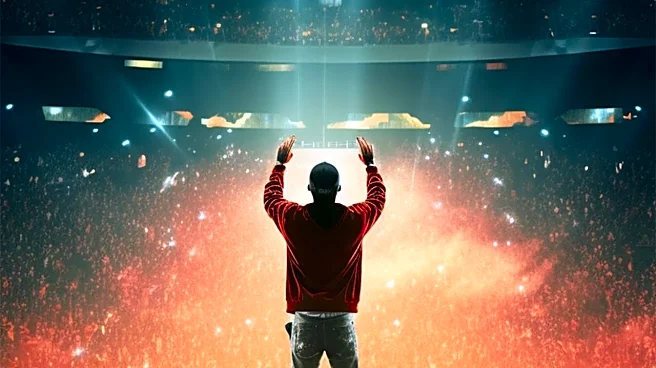
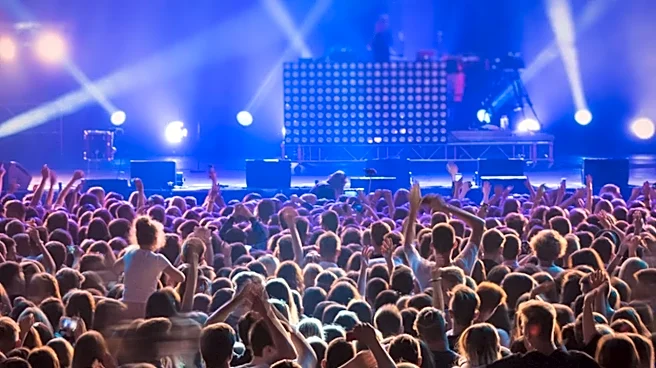
Let’s be clear: there is no substitute for being there. The feeling of the bass rattling your chest during a headliner’s set, the collective roar of 100,000 people singing the same chorus, and the iconic Chicago skyline as your backdrop is a sensory overload
in the best way possible. This is the classic festival experience—a four-day marathon of music, food, and shared energy. You’ll stumble upon a new favorite band on a side stage, make temporary best friends in the crowd, and leave with stories that a livestream could never capture. The urban setting of Grant Park means you’re in the heart of the city, able to explore after the gates close. It’s an immersive, and often transformative, cultural pilgrimage for music fans.
The Reality of Grant Park: Costs, Crowds, and Compromise
The magic of being there comes at a price—literally. Single-day tickets for the 2026 festival start around $175-$200, with four-day passes climbing much higher, and that’s before factoring in flights, hotels, and the notoriously expensive festival food and drinks. Then there's the physical toll. You'll walk miles between the eight stages, stand for hours in the unpredictable Chicago summer weather, and navigate massive crowds to get a decent view. Seeing all your favorite artists often involves difficult choices and strategic sprints across the park. While VIP packages offer relief with amenities like air-conditioned restrooms and exclusive viewing areas, they come with a significant price tag, with some four-day VIP options costing well over $1,500.
The Couch Tour: A Front-Row Seat to Everything
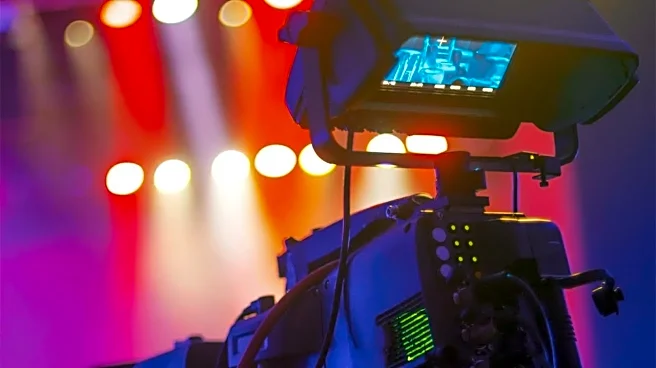
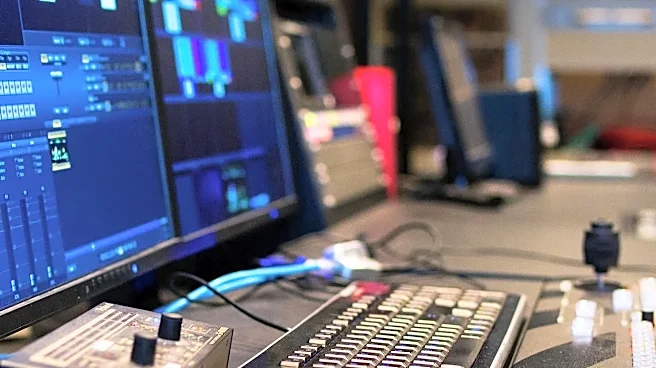
Welcome to the 'couch tour,' where the bathrooms are always clean, the drinks are cheap, and every view is a front-row seat. For 2026, Lollapalooza is streaming live on Disney+ and Hulu, offering professionally produced, multi-camera coverage of top acts like Lorde, The Smashing Pumpkins, and Tate McRae. You have the power to be your own festival director, channel-surfing between stages to catch the beginning of one set and the end of another without missing a beat. You get the perfect audio mix, free from crowd chatter, and exclusive content like artist interviews. It's the ultimate convenience, delivering a curated, high-quality broadcast directly to you. Plus, there's no sunburn, no mud, and no waiting in line for anything.
The Downside of Digital: FOMO is Real
The biggest drawback to the at-home experience is the one thing it can’t replicate: community. You miss the spontaneous moments, the shared energy, and the physical presence that makes live music so powerful. Watching on a screen, no matter how big, can feel isolating compared to being part of the crowd. There’s also the issue of what’s available. While the stream covers many headliners and popular acts, it doesn't include every one of the 170+ performers. Furthermore, the streams are live-only, with no option for replay, so you still have to tune in at the right time. And while the production is professional, some viewers have noted in past years that the stream quality can't compare to the multi-channel, high-fidelity experience that a festival like Coachella provides on YouTube.
So, What's the Verdict for You?
Ultimately, the right choice depends on what you value most in a music experience. If you’re a die-hard fan of a specific artist, crave the raw energy of a live show, and view festivals as a social and cultural event, then packing your bag for Grant Park is likely worth the cost and effort. You’re there to create a core memory. However, if you’re a multi-genre music lover who wants to see as many big names as possible without the physical and financial strain, the livestream is a fantastic, modern alternative. You’re there to absorb the music, comfortably and efficiently. Both options offer a valid way to experience one of the world's most iconic music festivals.