






Meet the Archetype
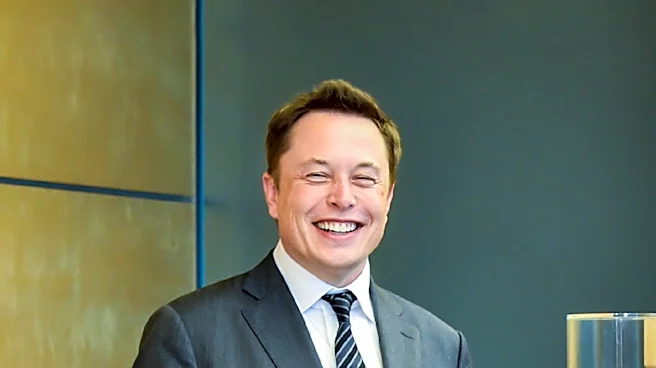
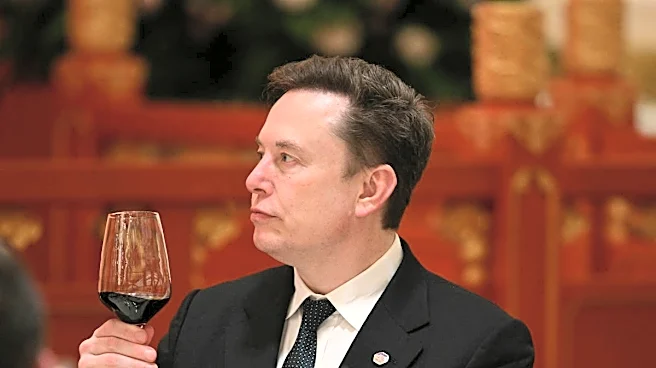
You won’t find “Sleepy Space Man” trending as a specific hashtag, but the character is instantly recognizable. He’s the visionary billionaire, lauded as a genius, who dreams of multi-planetary species and orbiting space colonies. Figures like Elon Musk
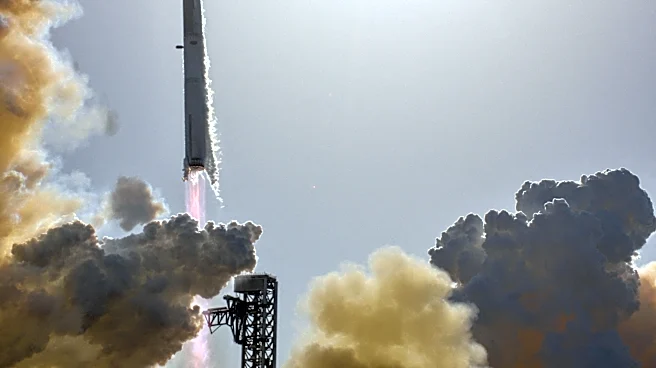
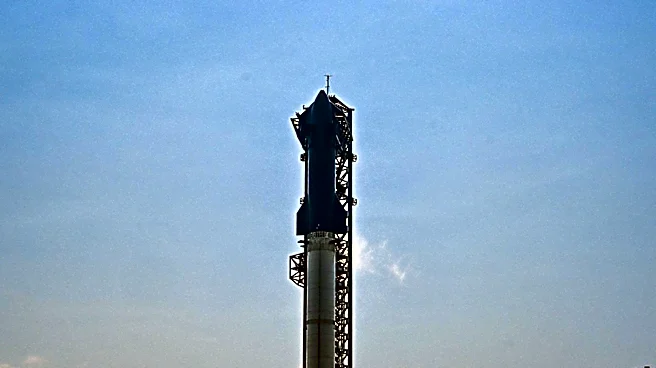
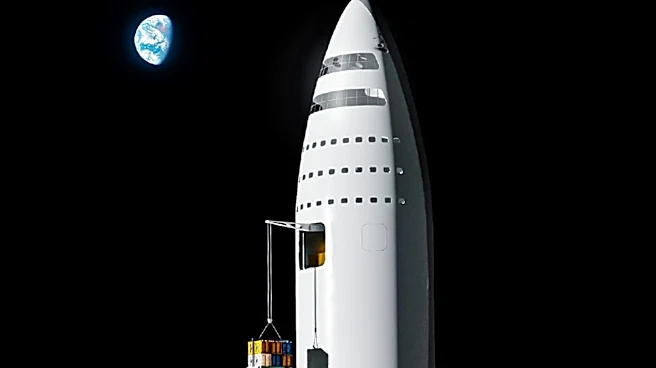
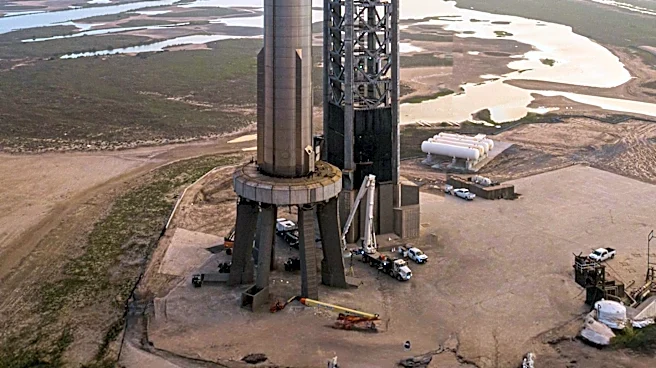
and Jeff Bezos have become the faces of this new private space race, pouring billions into ventures like SpaceX and Blue Origin. Their ambition is celebrated as a throwback to the audacious spirit of the Apollo era, promising technological leaps that could benefit all of humanity. Yet, these grand pronouncements often land with a strange, detached quality, creating a public perception of leaders who are more inspired by science fiction novels than by the pressing issues on the ground. The “Sleepy Space Man” is this paradox: a figure of immense power and forward momentum who simultaneously seems checked out from the world most of us inhabit.
The ‘Sleepy’ Critique of Detachment
The “sleepy” part of the moniker isn’t about a lack of caffeine. It’s a critique of perceived indifference. It points to a profound disconnect between the futuristic rhetoric of these leaders and the immediate, often harsh, realities created by their terrestrial businesses. While they talk about colonizing Mars or moving heavy industry into orbit, critics point to grueling warehouse conditions, resistance to unionization, and significant environmental footprints left by their Earth-based companies. The nickname suggests a leader who is “asleep at the wheel” when it comes to social and ethical responsibilities. This perception is amplified by a public persona that can come across as emotionally distant or more engaged with online trolling than with real-world crises. It captures the public frustration of watching someone with the resources to solve monumental problems on Earth instead focus on what many see as an escape plan.
The ‘Space Man’ Double Meaning
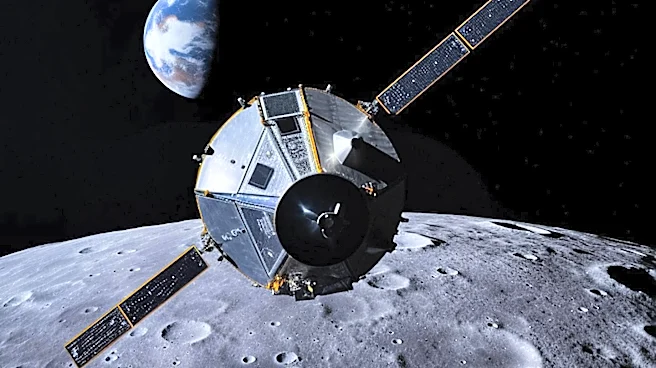
Being a “Space Man” is both the source of their celebrity and the core of the criticism. On one hand, it’s a literal descriptor. These are the men building the rockets and capsules that are reigniting public excitement about space. On the other hand, it’s a powerful metaphor for alienation. The intense focus on off-world ambitions is seen by many as an epic distraction, a high-tech form of escapism from a planet grappling with climate change, pandemics, and deep-seated inequality. Critics argue that the vast sums of money—billions annually—and intellectual capital being poured into these ventures could be used to address urgent earthly problems. This sentiment was captured in a popular petition asking for Jeff Bezos not to be allowed to return to Earth after his flight, a joke that crystallized a serious critique: Should billionaires exist on Earth or in space, perhaps they should stay there.
A Joke for an Anxious World
Ultimately, the idea of the “Sleepy Space Man” resonates because it provides a simple, memorable shorthand for a complex and widespread anxiety. We are living in an era defined by the unprecedented power of a handful of tech oligarchs. They are not just business leaders; they are actively shaping our communication, our economy, and, if they have their way, our future as a species. This concentration of power, combined with their techno-solutionist belief that any problem can be solved with a big enough rocket or a brilliant enough algorithm, makes many people uneasy. The nickname is a form of cultural pushback. It’s a way to use humor to question the narrative, to gently mock the self-appointed saviors who seem to be dreaming of other worlds while this one faces profound challenges. It’s a joke, but it’s a joke with a point, one that asks whether our future should be in the hands of those who seem so eager to leave the present behind.