




The 1980s: An Answer to Excess
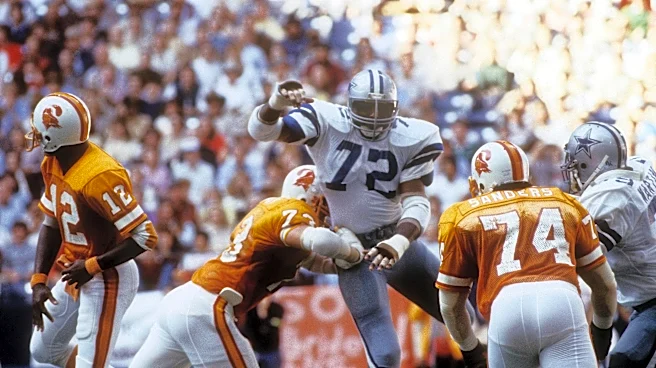
When Vatana Watters began designing for friends and family in the mid-1980s, American bridal was a sea of 'more is more'. Inspired by royal weddings, the decade's mantra translated into voluminous skirts, dramatic trains, and, most iconically, the puffy
sleeve. Watters entered this landscape not by mimicking the excess, but by offering a refined alternative. The company was founded in Dallas in 1986, initially focusing on bridesmaid dresses that broke away from the era's cookie-cutter styles. While the bridal market shouted, Watters began with a more measured voice, creating well-designed pieces that pushed back against the uniform of giant bows and overwhelming taffeta, finding a niche for brides who wanted sophistication amidst the spectacle.
The 1990s: The Minimalist Reaction
After the extravagance of the '80s, a cultural palate cleanser was in order. The 1990s ushered in an era of cool, clean minimalism. Form-fitting sheath dresses and sleek, unadorned satin became the height of chic, famously embodied by figures like Carolyn Bessette-Kennedy. Having spent nearly a decade refining bridesmaid styles, Watters moved into the bridal space, identifying a gap in the market for affordable, beautifully designed gowns. This was the decade where the strapless dress began its long reign, and Watters' focus on sculptural silhouettes and quality fabrics—without the fuss of the preceding years—aligned perfectly with the new, modern bridal aesthetic. The brand's philosophy was about responding to the evolving tastes of brides, and the '90s bride wanted simplicity and elegance.
The 2000s: A Return to Romance and Detail
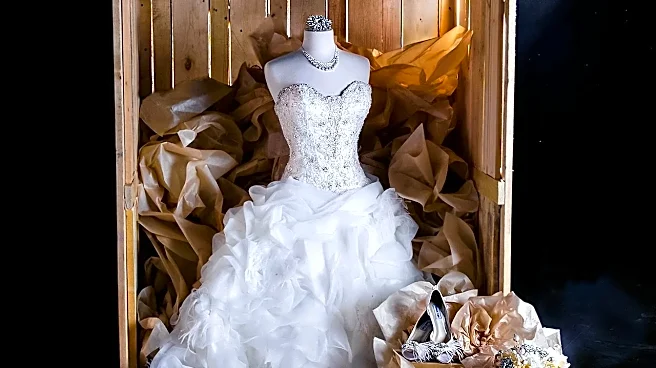
As the new millennium began, minimalism gave way to a renewed interest in romance and texture. While strapless gowns remained a dominant trend, brides started seeking more intricate detailing. Lace, beading, and corsetry saw a major resurgence. It was in this climate that Watters expanded its offerings, creating an upscale division in 2003 to cater to brides seeking couture details at a more accessible price point. The brand became known for its use of soft, flowing fabrics, delicate embellishments, and whimsical, romantic designs. This decade also saw the rise of the destination wedding, creating a need for gowns that were not just beautiful but also comfortable and easy to transport—a practical demand Watters met with its lighter, more ethereal styles.
The Modern Era: The Age of Individuality
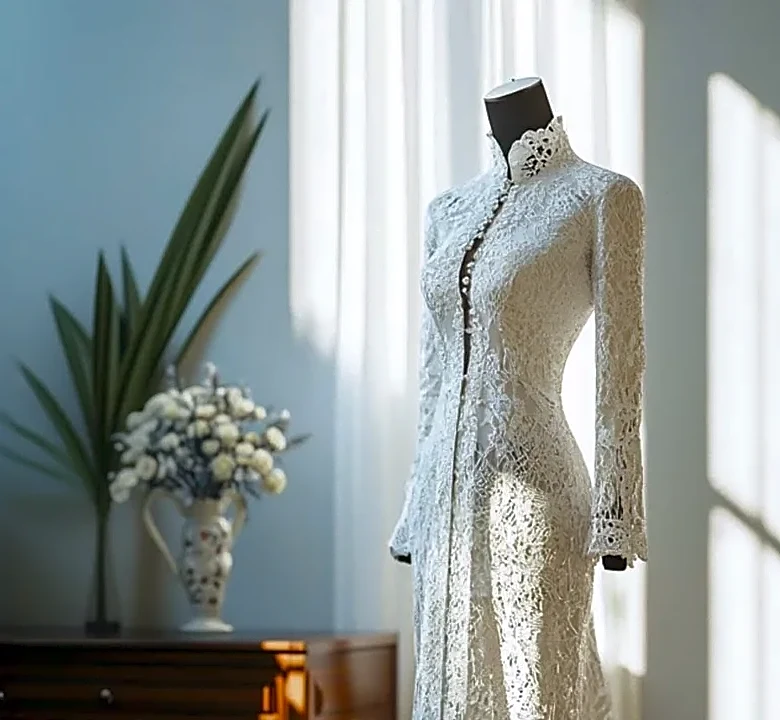
Today, the single biggest trend in bridal is the absence of one. The modern bride is not a type; she's an individual. This shift is perfectly reflected in Watters' current strategy, which now includes four distinct brands—Watters, Wtoo, Willowby, and By Watters—each catering to a different aesthetic, from classic and sculptural to boho and fashion-forward. This era is defined by choice: bridal separates, 'little white dresses' for rehearsal dinners and elopements, and even gowns in unexpected colors. With Vatana's daughter, Sydney Watters Rohleder, now serving as Style Director, the brand has embraced the digital age, understanding that today's bride wants versatility and a personal connection. The focus has moved from finding 'the' dress to finding 'her' dress, a gown that feels like the best version of herself.