





The First Domino: The Shutdown Call
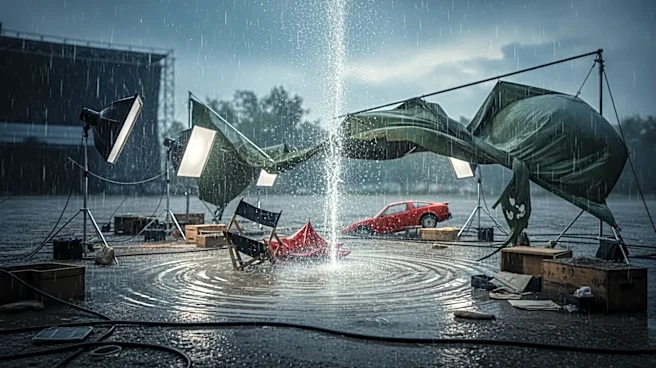
It starts with a frantic check of weather apps and a tough decision. The first assistant director (1st AD), in concert with the producers, has to make the call to suspend filming. The primary concern is safety; lightning, high winds, or extreme heat can
endanger the cast and crew and damage expensive equipment. But every minute lost is money burned. The crew is on the clock, the location permit has an expiration date, and the sun is moving, which can ruin lighting continuity for the entire scene. This decision isn't just about pausing; it's about initiating a cascade of complex and costly problems. A clear chain of command is crucial to avoid confusion as everyone scrambles to secure the set.
The Human Jigsaw Puzzle
Here's where the 'ensemble-cast' part of the headline becomes a nightmare. A production might have one star for the whole shoot, but an ensemble means managing a dozen key actors with wildly different schedules. Actor A is an A-lister who contractually only has to be on set for five specific days before flying to another blockbuster. Actor B is a TV star who needs to be back on their series set by Monday. A one-day weather delay means the meticulously planned schedule, which blocks scenes to maximize actor availability, is now worthless. The 1st AD and production manager now face a Herculean task: can they reshuffle the entire shoot? Can they film indoor scenes instead? This often requires swapping scenes out of sequence, which can be a creative challenge for actors and directors trying to maintain narrative and emotional continuity.
The Financial Hemorrhage
While the scheduling puzzle is being solved, the production is bleeding money. Some estimates suggest weather disruptions can cost a production up to $500,000 a day. The full crew—camera operators, electricians, grips, sound mixers, hair and makeup artists—are all being paid, even if they're just waiting in their trailers. Location fees and equipment rentals are still due. If the delay pushes the shoot into overtime or requires an extra day, those costs multiply. Production insurance is designed to cover some of these disasters, but policies vary. Many standard policies cover damage from extreme weather but may not cover delays from more ordinary bad weather, leading to the rise of specialized parametric weather guarantees that offer automatic payouts. These unrecoverable costs are why pre-production planning includes building contingency days and backup indoor locations into the schedule.
The Compromise on Creativity
Sometimes, the schedule is simply too tight and the budget too strained to recover the exact scene that was lost. This is when the ripple effect hits the story itself. The director and writers may be forced to make a creative compromise. Does that pivotal outdoor confrontation now happen in a less impactful indoor setting? Does a beautiful, sun-drenched montage get replaced with a few lines of dialogue explaining what happened? Or worse, is the scene cut entirely? Famous productions have been shaped by these challenges; the chaotic weather during the filming of 'Jaws' famously led to the expensive animatronic shark being used less, a compromise that accidentally made the film far more suspenseful. While sometimes happy accidents occur, most often these forced changes are a frustrating dilution of the original creative vision.
The Long Tail: Post-Production and Beyond
The impact doesn't stop when the sun finally comes out. A significant delay can create a bottleneck for the entire pipeline. Post-production teams—editors, visual effects artists, sound designers—have their own schedules that are now disrupted. A week's delay on set can mean a frantic rush in the editing bay. In extreme cases, it can even affect the film's marketing timeline and ultimate release date. The ripple effect extends beyond the production itself, hitting ancillary businesses like catering companies, costume rental houses, and transportation providers who all depend on the production's clockwork schedule. A single storm can demonstrate just how interconnected and fragile the entire ecosystem of filmmaking truly is.