



The Movie, The Role, and The Problem
The year was 1977, and the movie was Smokey and the Bandit. The role of Bo "The Bandit" Darville—a fast-talking, swaggering good ol' boy in a black Trans Am—seemed tailor-made for Burt Reynolds. But there was a catch. The film's director, Hal Needham,
had originally planned it as a low-budget B-movie. In that version, the lead role of the Bandit was intended for another actor and country singer: Jerry Reed. It was only when Reynolds, then the biggest box office star in the world, read the script and wanted in that the project’s stature grew. With Reynolds attached, the budget ballooned, but Universal Studios still wasn't entirely sold on Needham's vision, pushing back on casting choices and the film's overall direction.
A Friendship Forged in Stunts
To understand why Reynolds got the part, you have to understand his relationship with Hal Needham. Long before Needham directed movies, he was one of Hollywood's top stuntmen, and for years, he was Reynolds' personal stunt double. Their friendship began on the set of the TV series Riverboat in 1959 and became one of the most loyal partnerships in the business. Needham even lived in Reynolds' guest house for over a decade. When Needham decided to step into the director's chair for the first time with Smokey and the Bandit—a story he co-wrote—it was his friend Burt who gave him the opportunity. Reynolds' star power got the film made on a larger scale, and in return, Needham ensured his friend, the man he knew could perfectly embody the Bandit, was behind the wheel. Jerry Reed graciously stepped into the role of the Bandit's partner, Cledus "Snowman" Snow, and even wrote the film's iconic theme song, "East Bound and Down."
The Last Laugh at the Box Office
Despite the studio’s hesitation, Reynolds’ instincts were spot on. Smokey and the Bandit became a runaway sensation. It was the second-highest-grossing film of 1977, beaten only by Star Wars. The movie cemented Reynolds' status as a global superstar and turned the Pontiac Trans Am into an automotive icon. It was a massive victory for Reynolds and Needham, proving that their formula of high-speed car chases, Southern charm, and tongue-in-cheek humor was exactly what audiences wanted. Reynolds even fought for Sally Field to be cast as his co-star, Carrie, after the studio initially resisted, claiming she wasn't attractive enough for the part. Their on-screen chemistry became legendary, sparking a real-life romance.
A Career of Near Misses
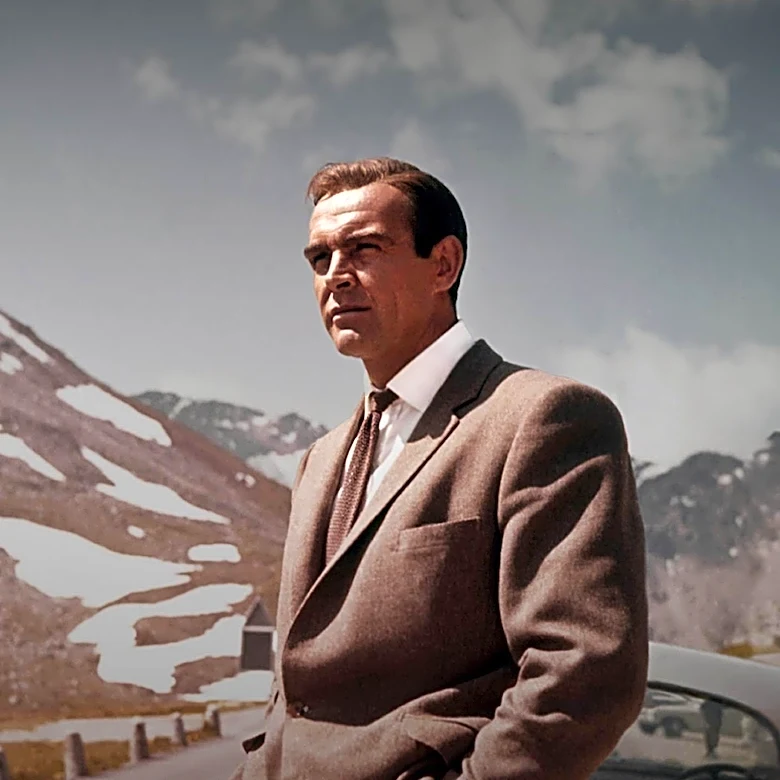
While he fought for the role of the Bandit, Reynolds' career is equally famous for the iconic parts he famously let slip through his fingers. In his memoir, But Enough About Me, he recounted turning down some of the biggest roles in movie history. He was offered the part of James Bond after Sean Connery stepped down, but he declined, believing an American couldn't play the British spy—a decision he later said he regretted. George Lucas also offered him the role of Han Solo in Star Wars, but Reynolds passed. Other roles he turned down include Michael Corleone in The Godfather, and Rocky Balboa in Rocky. It paints a picture of an actor who, despite his immense success, often second-guessed what would become cinematic history, making his fight for Smokey and the Bandit all the more significant.
The Man Who Did It His Way
Ultimately, the story behind the casting of Smokey and the Bandit is the perfect microcosm of the Burt Reynolds persona. He was a rebel who trusted his gut, valued loyalty above all else, and wasn't afraid to clash with the suits in Hollywood. Fighting for a role in a car-chase comedy, a film some might have seen as frivolous, showed where his heart was: with his friend Hal Needham and with the kind of fun, unpretentious entertainment that made him a beloved star. While he might have missed out on playing a Jedi-adjacent smuggler or a world-famous spy, his decision to become the Bandit gave him a role that defined his swaggering, charismatic legacy for generations of fans.