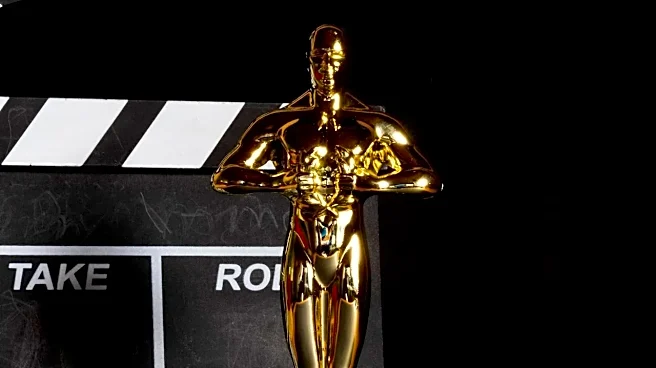







The Narrative Replaces the Review
Before a film even reaches most theaters, the awards campaign has begun. This isn't just about 'For Your Consideration' ads. It's about crafting a compelling narrative that exists outside the movie itself. Suddenly, we're not just discussing if a film is good;
we're discussing its 'importance.' Is it the director's triumphant comeback? The culmination of an actor's career? A story that 'speaks to our current moment'? Publicists and strategists work to seed these storylines in the media, knowing that a powerful narrative can be more persuasive than a simple five-star review. This framework filters down, and soon, social media and water-cooler conversations are debating a film's backstory and cultural weight as much as its plot. The language shifts from personal enjoyment to objective significance.
Learning to Speak 'Pundit'
Awards season has its own vocabulary, and audiences have become surprisingly fluent. Terms once confined to industry blogs—'frontrunner,' 'dark horse,' 'momentum,' 'snub'—are now common currency on social media. This specialized language does more than just describe the horse race; it changes the nature of the discussion. It encourages us to view films not just as art, but as competitors in a high-stakes game. The conversation becomes a meta-analysis of a film's chances, with viewers acting as armchair strategists. Did a certain festival premiere give it a crucial boost? Is another film 'peaking too early'? This turns watching movies into a sport, where picking the winner provides a sense of validation and intellectual satisfaction.
The Inevitable Backlash Cycle
Once the media and early buzz anoint a 'frontrunner,' a new phase of conversation often begins: the backlash. Films deemed too obvious a choice or too calculated in their pursuit of awards—often labeled 'Oscar bait'—face intense scrutiny. The very narrative that propelled a film into the lead can be turned against it. Is it truly as profound as the campaign suggests, or is it merely engineered for prestige? This counter-discussion is just as much a product of awards season as the initial hype. It creates a dynamic where audiences are encouraged to have a strong, often contrarian, take. Liking or disliking the 'important' film becomes a statement, a way of signaling one's own taste and resistance to industry manipulation.
From Viewer to 'Voter'
Ultimately, awards season reframes the audience's role. We are no longer just passive consumers of entertainment but active participants in a public trial of artistic merit. An award nomination serves as a signal that a film is worthy of discussion, prompting many to watch movies they might have otherwise skipped. The conversation around these films often evolves into a debate over worthiness, sometimes focusing more on the perceived morality of a film's themes or creators than on its cinematic qualities. Whether a film 'deserves' to win becomes the central question, turning living room debates and Twitter threads into unofficial voting booths. This desire for consensus and validation shapes how we articulate our opinions, as we seek to align our personal taste with a recognized standard of quality.