






The Goal That Started It All
Every great rivalry needs an origin story, and for England vs. Germany, it’s the 1966 World Cup Final at Wembley Stadium. With the game tied 2-2 in extra time, England’s Geoff Hurst fired a shot that struck the underside of the crossbar and bounced down.
The England players celebrated, but the German defenders were adamant the ball hadn't fully crossed the line. Swiss referee Gottfried Dienst consulted his Soviet linesman, Tofiq Bahramov, who confirmed it was a goal. England went on to win 4-2, securing their first and only World Cup. For England, it was a moment of supreme triumph. For Germany, it was the “Wembley-Tor” (Wembley Goal), a controversial decision that, to this day, has never been definitively settled and planted the first seed of resentment.
The Tears of Turin
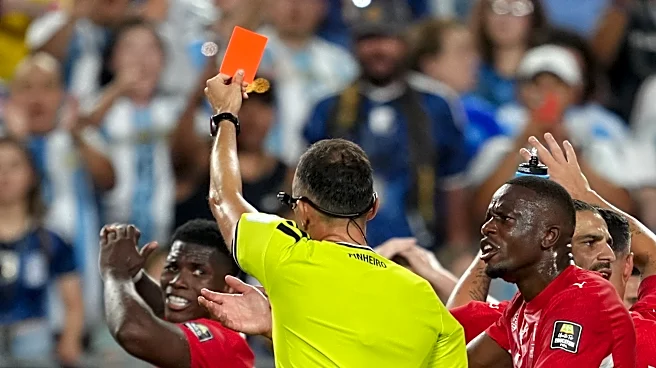
Fast forward 24 years to the 1990 World Cup semi-final in Italy. England, powered by the dazzling and unpredictable talent of Paul “Gazza” Gascoigne, was playing with a flair not seen in a generation. The match against West Germany was a tense, dramatic affair that ended 1-1 and went to penalties. But the defining image came in extra time. Gazza, a national hero in the making, lunged for a tackle and received a yellow card. Realizing the booking meant he would be suspended for the final if England got there, his face crumpled, and he began to cry on the field—a moment of raw, human emotion that captivated a nation. England went on to lose the penalty shootout, a new and particularly cruel form of national trauma. Gazza’s tears became a symbol of glorious, heartbreaking failure, and the Germans cemented their reputation as England’s ruthlessly efficient bogeyman.
When Football Didn't Come Home
In 1996, the European Championship was held in England. The national mood was euphoric, soundtracked by the song “Three Lions (Football’s Coming Home).” After a thrilling tournament, England found themselves in the semi-final at Wembley, facing a newly reunified Germany. Inevitably, the match ended 1-1 and went to a penalty shootout. The tension was unbearable. Both teams were flawless through the first five kicks. Then, up stepped England defender Gareth Southgate. His tame penalty was saved. Germany’s Andreas Möller strode forward and hammered his kick into the roof of the net to win the game. For the English, it was the ultimate nightmare: a repeat of 1990, but this time on home soil, with their rivals celebrating at the stadium where English football had its finest hour. The resentment deepened from a sporting grudge into something that felt like a curse.
The Ghost Goal and Cosmic Justice
The rivalry entered the 21st century with another layer of controversy at the 2010 World Cup in South Africa. In the Round of 16, Germany was leading England 2-1 when midfielder Frank Lampard hit a beautiful long-range shot. The ball cannoned off the crossbar and bounced at least a foot over the goal line before spinning back into play. It was a clear goal to everyone watching, but incredibly, the referee and his linesman missed it. Play continued, and a deflated England eventually collapsed to a 4-1 defeat. The incident was dubbed the “ghost goal” and was seen by many English fans as cosmic payback for Geoff Hurst’s controversial goal 44 years earlier. The sheer injustice of the moment, amplified by instant television replays, was a key catalyst for FIFA finally introducing goal-line technology, but it was another bitter pill for England to swallow in their decades-long saga with Germany.