








The Burden of the Protagonist
In the grand theater of a major tournament, strikers are cast as the protagonists. They are the heroes meant to deliver the final, triumphant line. All the pre-game hype, the marketing, and the tactical discussions center on them. Will they score the winning
goal? Can they carry the team? This narrative framework sets them up for a dramatic fall. Unlike a midfielder who makes dozens of small, crucial interventions or a defender whose quiet positioning prevents a threat that never materializes, the striker's job is distilled into a few explosive, highly visible moments. When those moments end in success, they are gods. But when they fail, they haven’t just missed a shot; they’ve betrayed the entire story we’ve been told. They’ve failed in their one, defining job.
The Agony of the Final Act
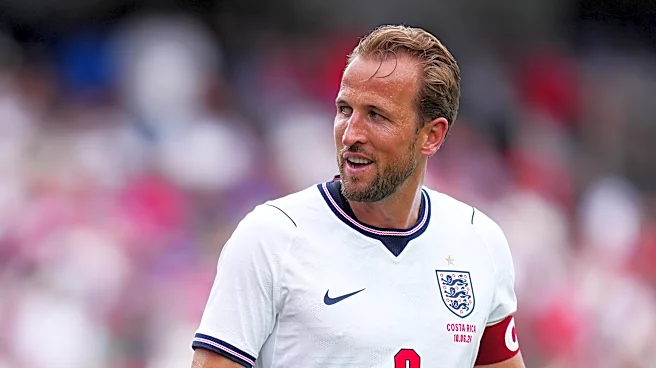
Think of the most infamous tournament exits. What comes to mind? It’s rarely a subtle tactical error or a slow, grinding midfield loss. It’s Roberto Baggio’s penalty sailing over the bar in the 1994 World Cup final. It's Asamoah Gyan’s spot-kick rattling the crossbar in 2010, denying Ghana a historic semi-final berth. It's Harry Kane skying his second penalty against France in 2022. These are moments of absolute finality. A defender can make an error in the 10th minute, and the team has 80 minutes to recover. But a striker’s miss in a penalty shootout or in the dying seconds of a match is the final word. It’s the last thing we see, the image that gets replayed endlessly. This is a powerful cognitive bias known as the 'availability heuristic'—we judge the entire game based on the most vivid, emotionally resonant, and recent event. That event is almost always a missed chance.
The Simplicity of Individual Blame
It’s far more comforting to blame one person than to accept a complex, systemic failure. Was the team out-coached? Were they fatigued after a long season? Did the midfield fail to create enough quality opportunities? These are difficult, unsatisfying questions. Pinning the loss on a single, dramatic error is emotionally simpler. It provides a clear villain and a straightforward, if incorrect, explanation for a heartbreaking result. Scapegoating the striker allows fans and media to avoid confronting the uncomfortable truth that their team might just not have been good enough. The striker who flubs the final chance becomes a convenient container for all the collective frustration, disappointment, and anger. This dynamic isn't unique to sports, but the clear-cut nature of a goal-scoring opportunity makes it especially potent in soccer.
The Media and Fan Feedback Loop
The modern media ecosystem pours gasoline on this fire. A missed penalty isn’t just a moment; it’s a week-long content cycle. Slow-motion replays, brutal tabloid headlines ('What a Waste,' 'The End of the World'), and hours of punditry dissect the failure from every angle. This isn’t just reporting; it’s narrative construction. The player is often framed not just as having failed, but as being a failure. This was infamously seen with David Beckham after his 1998 World Cup red card, where an effigy was hung outside a London pub. Social media has intensified this to an unbearable degree. A player now receives thousands of abusive messages within seconds of a mistake, creating a vicious feedback loop. The media reports on the fan anger, which in turn validates and fuels more anger, solidifying the player’s status as the national pariah.