

The NBA's Stop-and-Start Justice
In the world of professional basketball, the foul is a fundamental building block of the game’s rhythm. When a player drives to the hoop and gets hacked, we instinctively look for two things: the whistle and the continuation. The holy grail is the “and-1,”
where the player makes the basket despite the contact and gets a free throw for their trouble. It’s a moment of individual triumph, a three-point play born from brute force and finesse. This system is designed to reward the scorer directly and immediately. The game stops, the foul is administered, and the player is compensated with a trip to the line. Even on non-shooting fouls, the whistle brings the entire game to a halt. The NBA’s logic is clear: an infraction occurred, and justice must be served right now, even if it means killing the very flow the offense was trying to create.
Introducing the 'Advantage' Rule
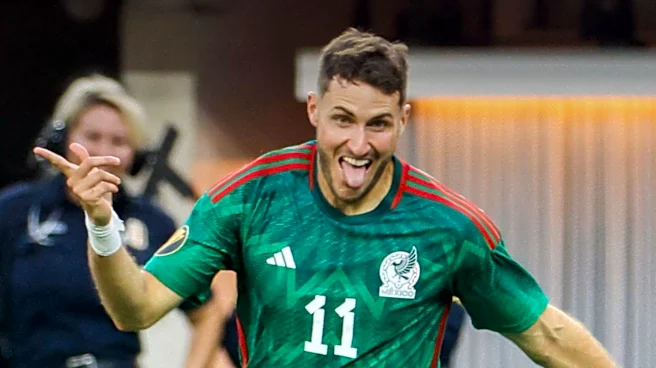
Now, let’s pivot to the soccer pitch. A star forward is dribbling toward goal, about to slice through the defense, when a clumsy defender clips their heel. Instead of immediately blowing the whistle, the referee raises both arms and shouts, “Play on!” Why? Because despite the foul, the ball rolled perfectly to a teammate who now has a wide-open shot. This is the “advantage” rule. The referee has the discretion to ignore a foul if stopping play would actually hurt the team that was fouled more than the foul itself did. The core idea is simple and profound: don't let the offender’s mistake bail them out by stopping a promising attack. If the advantage doesn't materialize within a few seconds (e.g., the teammate loses the ball), the referee can even circle back and still call the original foul. It’s a dynamic, intelligent, and context-aware piece of officiating.
A Clash of Philosophies: Flow vs. The Moment
Herein lies the fundamental difference that every NBA fan should appreciate. The NBA’s foul system is built around discrete, dramatic moments. The “and-1” is a highlight-reel play, a self-contained story of a player overcoming an illegal challenge. It’s perfect for TV, replays, and celebrating individual heroism. Soccer’s advantage rule is built around a completely different value: continuous flow. The game is a fluid entity, and the referee's primary job is to be an invisible facilitator, not a constant arbiter. The goal is to preserve the attacking team's momentum and the overall rhythm of the match. Stopping play to award a free kick from 40 yards out is often a worse outcome for the attacking team than letting them continue a dangerous run. One philosophy elevates the individual moment of justice; the other elevates the collective pursuit of the goal.
What the NBA Could Learn
No one is suggesting the NBA should just copy and paste the advantage rule. A basketball court is much smaller, and possessions are shorter. However, the *spirit* of the advantage rule could work wonders. Think of all the off-ball fouls, illegal screens, and minor grabs on the perimeter that halt play for no good reason. Imagine a referee allowing play to continue when a team is flowing in transition, only to issue a warning or a delayed foul call after the possession ends. It would discourage defenders from committing lazy, cynical fouls intended solely to stop a fast break. It would place a higher premium on team-wide momentum and could reduce the endless parade to the free-throw line that can bog down the final two minutes of a close game. It’s about trusting the game’s flow and intervening only when absolutely necessary, a lesson from which basketball could certainly benefit.