

The Anatomy of Analog Fear
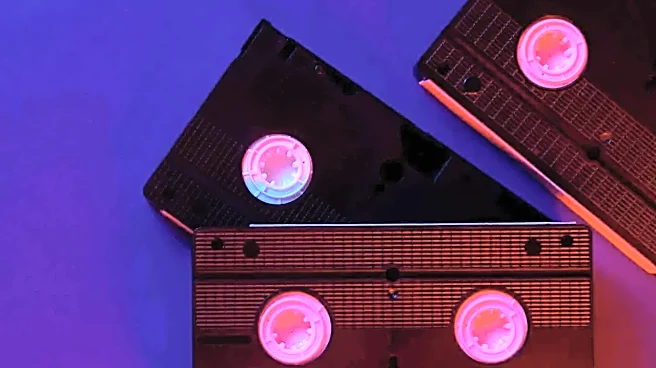
Before we unpack why it's back, let's define what we’re even talking about. The VHS aesthetic, now often called "analog horror," is a subgenre that uses the limitations of old media to create a sense of unease. Think about the tell-tale signs: the grainy
picture, the audio that warbles and distorts, the screen suddenly dissolving into lines of static as the VCR struggles with tracking. It’s the visual language of found-footage pioneers like The Blair Witch Project and the long-running V/H/S anthology series, which built its entire identity around disturbing stories discovered on tapes. The aesthetic isn't just about looking old; it’s about a deliberate degradation of quality. The footage feels damaged, corrupted, and unreliable, making the horror it depicts feel unsettlingly authentic. Recent indie sensation Skinamarink took this to an extreme, using a grainy, almost abstract visual style to create a dreamlike state of childhood terror that was profoundly divisive and deeply unsettling.
More Than Just a Nostalgia Trip
The easy answer for the comeback is nostalgia. For many millennials, the '80s and '90s represent the last days of a pre-internet world, a time defined by bike rides, walkie-talkies, and trips to the video rental store. That era's pop culture—the synth music, the neon colors, the rebellious spirit—has been heavily mined by modern storytellers. But the appeal goes deeper than just remembering the good old days. For younger audiences who never experienced a VCR, the aesthetic represents a kind of tangible, almost mythical past. It’s a physical artifact in an increasingly ephemeral digital world. In an age of algorithmic content and pristine CGI, the messiness of analog media feels raw and real. There's a tactile satisfaction to the clunk of a tape being inserted into a machine, a stark contrast to the silent click of a streaming service.
The Psychology of Imperfection
The true power of the VHS aesthetic lies in its psychology. Perfect, high-definition digital footage can sometimes feel sterile or staged. Analog horror, with its glitches and decay, suggests that the recording itself is a fragile object, susceptible to damage and distortion, just like human memory. The visual noise and audio hiss create a barrier between the viewer and the image, forcing us to lean in and question what we're seeing. This imperfection makes the horror feel less produced and more discovered. When the screen glitches at a terrifying moment in a film like V/H/S/94, it implies that the event was so horrific it even broke the technology trying to capture it. The analog format itself becomes a character—an unreliable narrator whose flaws amplify the dread. It taps into a primal fear that our reality, and the technology we use to document it, is unstable and can fall apart at any moment.
The Streaming and Found Footage Paradox
There's a delicious irony in filmmakers painstakingly recreating analog flaws to be streamed in perfect digital quality on services like Shudder, which has become the home for the resurgent V/H/S franchise. This trend runs parallel to the modern found-footage boom, which has evolved from shaky-cam movies to include screenlife thrillers and livestream nightmares. Films like Frogman or the Hell House LLC series prove there is a persistent audience for horror that feels grounded and unpolished. The analog look is a direct rebellion against the slick, high-budget gloss of mainstream Hollywood. It offers a gritty alternative, a reminder that horror can be most effective when it feels intimate, accidental, and dangerously real. By mimicking the look of a discarded home movie, these films create an instant, unsettling intimacy that a polished production often can't match.