



The Sensory Arms Race
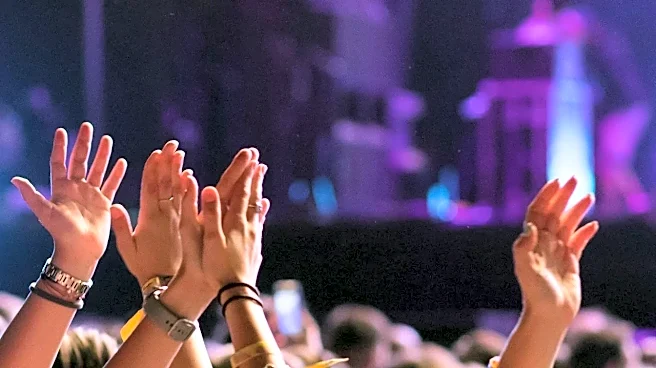
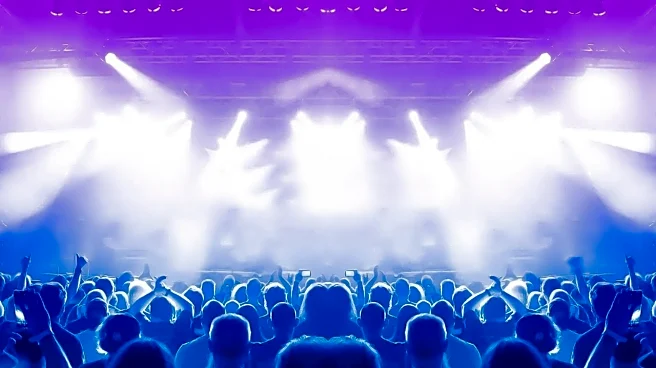
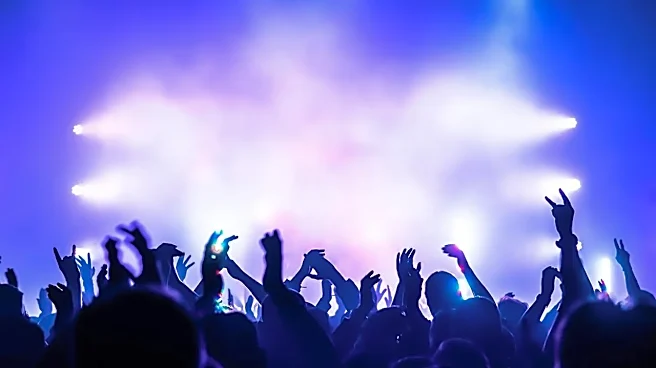
A modern festival is a battle for attention. From neon outfits and intricate light-up toys to energetic dance moves, the environment is designed for sensory overload. This creates a baseline expectation of 'peacocking'—doing something bold to stand out.
In this context, everyone is trying to be seen and heard, contributing to a constant state of emotional and auditory noise. Psychologists refer to this as emotional contagion, where feelings and behaviors spread rapidly through a crowd, creating a shared, high-energy experience. Trying to be louder or brighter than the next person is the default strategy, but it’s a game of diminishing returns. When everyone is yelling, another voice just becomes part of the chorus.
The Power of a Pattern Interrupt
This is where silence comes in. In a setting where noise is the norm, quiet becomes an anomaly. It functions as a powerful 'pattern interrupt.' The human brain is wired to notice things that break from the expected sequence. A person or group moving with deliberate calm through a chaotic space doesn't blend in; they stand out precisely because they are different. It’s the same principle used in public speaking: a well-timed pause can command more attention than shouting. By refusing to participate in the sensory arms race, you create a vacuum of curiosity. People’s attention is naturally drawn to the thing that doesn’t fit, forcing them to wonder what’s going on.
The Psychology of Quiet Confidence
A silent entrance communicates immense confidence. It projects the idea that you are so self-assured you don't need to scream for validation. While many people feel awkward or uncomfortable with silence in social situations, embracing it can signal authority and self-awareness. This isn't about being shy or withdrawn; it's a conscious choice. This perceived control creates an aura of mystery. Observers are left to fill in the blanks, often projecting qualities like importance, coolness, or intrigue onto the silent individual. In a crowd, where many people feel a pressure to perform, someone who seems entirely unbothered by that pressure is inherently fascinating. Their silence isn't empty; it's full of implied meaning.
It’s Not Just Silence, It’s Presence
This trick isn't simply about not talking. It’s an active performance of presence. It relies heavily on strong, composed body language to be effective. Think of it as a controlled, deliberate performance, not a passive state. Key elements include maintaining a grounded, stable posture, using measured and calm movements, and making deliberate eye contact. Fidgeting or looking lost communicates anxiety, which undermines the effect entirely. Instead, the goal is to be a calm island in a sea of chaos. You are observing the energy without being consumed by it. This silent presence signals that you are in control of your own space, which can be more compelling than any loud declaration.