







The Actor’s Advantage
Talk to any actor, and many will tell you the same thing: it’s easier to act opposite something that’s actually there. A performer reacting to a frigid blast of wind or the genuine lurch of a ship's deck delivers a different kind of performance than one
staring at a tennis ball on a stick against a green screen. That physical reality grounds them in the moment, eliciting authentic, visceral reactions that an audience can feel. When an actor has to physically wrestle with a prop or maintain their balance on a moving set, their performance gains a layer of spontaneous, unscripted truth. It’s the difference between imagining you’re cold and actually shivering.
The Undeniable Physics of Reality
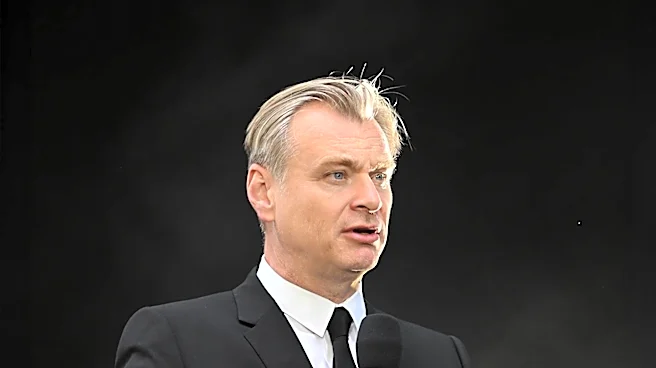
Computer-generated imagery has become incredibly sophisticated at mimicking the laws of physics, but it's still just that—a mimic. Practical effects are physics. The chaotic, unpredictable way a real wooden mast splinters, a wave crashes over a bow, or a sandstorm billows has a weight and texture that is difficult to replicate digitally. Directors like Christopher Nolan and George Miller are famous for their dedication to capturing these real-world interactions whenever possible. For Mad Max: Fury Road, Miller’s team orchestrated a symphony of real-life car crashes and stunts in the Namibian desert, giving the film a sense of grit and danger that CGI often smooths over. The audience's brain, conditioned by a lifetime of real-world experience, instinctively recognizes the authenticity of these tangible effects.
Embracing Creative Accidents
Filmmaking is often about creative problem-solving, and practical effects introduce an element of beautiful unpredictability. While a digital effect will do exactly what it’s told, a practical effect might surprise you. An explosion might flare in an unexpected way, a prosthetic might tear to reveal something more interesting, or a sudden gust of wind on location might create a moment of cinematic gold that was never in the script. These “happy accidents” force collaboration on set, as the cast and crew must adapt and react in real-time. This can lead to moments of raw energy and ingenuity that elevate a scene from merely competent to truly memorable. In a controlled digital environment, these spontaneous moments are often lost.
A Deeper Audience Connection
Ultimately, the goal of any film is to create an immersive experience. While audiences have become accustomed to CGI, there is a growing fatigue with its overuse, where scenes can feel weightless or artificial. Practical effects build a stronger connection because they feel more tangible. When filming Dune, director Denis Villeneuve insisted on shooting in real deserts with real sand and wind, even developing special sand-colored screens instead of traditional green screens to ensure the light and reflections on actors and objects felt authentic. This commitment to physical reality creates a subconscious sense of believability for the viewer. We don't just see the world; we feel its textures and its gravity, creating a deeper, more lasting emotional impact.