





The Golden Launchpad
Timing is everything in the film world. The Venice Film Festival, the world's oldest, unfolds in late August and early September, making it the unofficial starting pistol for the grueling, months-long awards season. Unlike the Cannes Film Festival in May,
whose buzz can fade by the time Oscar voters are paying attention, a Venice premiere hits the calendar's sweet spot. A wave of critical acclaim from the Lido can create undeniable momentum that carries a film or performance through the fall festivals and straight into contention for Golden Globes and Academy Awards. Films like "Joker," "Nomadland," and "Poor Things" all leveraged a Venice debut to launch their successful awards campaigns. This perfect timing ensures that a standout performance doesn't just get noticed; it gets the right kind of notice at the exact right time.
The Anatomy of a Comeback: The Fraser Effect
There is no greater recent example of Venice's career-remaking power than Brendan Fraser's triumphant return in "The Whale." In 2022, the former star of 90s blockbusters like "The Mummy" arrived at the Lido after years away from the spotlight. His transformative role as a 600-pound reclusive teacher was met with a tearful, six-minute standing ovation that became a global news story overnight. The narrative was instantly set: this was not just a great performance, but a comeback for the ages. That single moment in the Sala Grande theater reframed Fraser's entire career arc, positioning him as a beloved actor returning to claim his due. The ovation wasn't just applause; it was a coronation. The buzz that began in Venice carried him all the way to a Best Actor win at the Oscars, solidifying the festival's reputation as a place where redemption stories are born.
A Haven for Auteurs
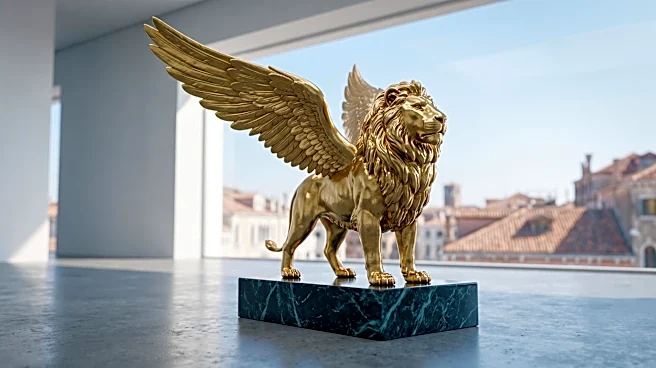
Venice has long cultivated a reputation for championing auteur cinema over purely commercial projects. This makes it an attractive destination for directors looking to make a bold artistic statement, especially after a period of commercial work or a critical misstep. Director Darren Aronofsky, for instance, has repeatedly used Venice as a launchpad for his dark, visionary films. He won the festival's top prize, the Golden Lion, for "The Wrestler"—which resurrected Mickey Rourke's career—and later premiered "Black Swan" and "The Whale" there. Unlike the sprawling Toronto International Film Festival (TIFF), Venice's main competition is highly selective. This curated lineup means each film gets a concentrated dose of attention from the world's press, preventing riskier, more artistic films from being lost in the noise. For a director with a singular vision, getting that focused spotlight is invaluable.
The Magic of the Lido
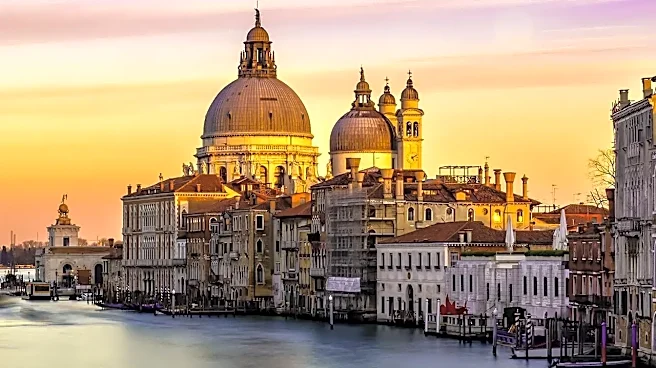
Beyond the strategic timing and film selection, there's an intangible quality to Venice itself. The glamour is undeniable, with stars arriving via classic wooden water taxis instead of black cars, creating instantly iconic images. But insiders describe the atmosphere as more relaxed than the frenetic marketplace of Cannes and more focused than the public-facing expanse of Toronto. This unique environment, a blend of high-society glamour and serious cinematic appreciation, creates a potent buzz machine. A warm reception in Venice feels more intimate and, perhaps, more authentic. It’s where a filmmaker can escape the commercial pressures of Hollywood and be judged purely on the art they’ve put on screen. This concentrated, celebratory environment gives them the space to reintroduce themselves to the world on their own terms, turning the page to a new chapter in their career.