





The 2026 World Cup Turns Up the Heat
The 2026 World Cup, held across North America, has been a powder keg of disciplinary drama, featuring more red cards than the last two tournaments combined. The knockout stages, in particular, have been defined by these game-altering moments. Look no further
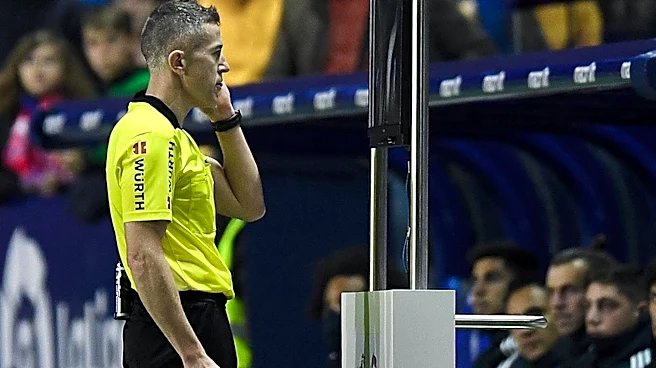
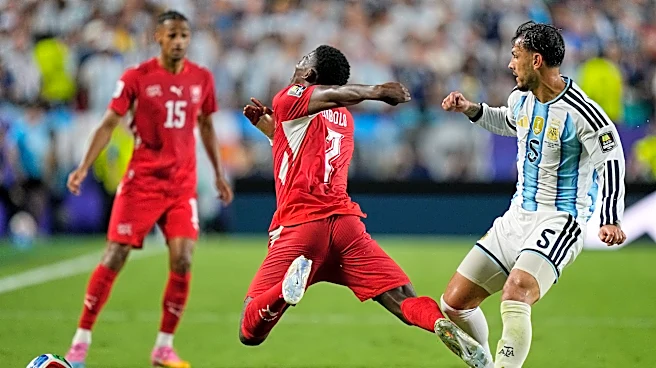
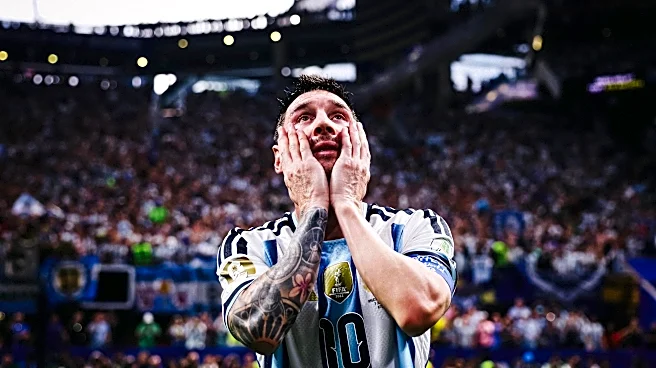
than the quarterfinal clash between Argentina and Switzerland, where Swiss forward Breel Embolo was sent off in the 72nd minute with the score tied. The referee, after a VAR review, brandished a second yellow card for simulation, believing Embolo had dived. Embolo left the field in tears, and his team was left to navigate the final, crucial stretch a man down. While Switzerland held on for a penalty shootout, the incident underscored how a single interpretation of a fall can reshape a match of monumental importance. It’s a scenario that has played out multiple times this summer, leaving fans and pundits to argue over intent, technology, and fairness.
The Anatomy of a Tournament Collapse
Receiving a red card in a knockout game is about far more than just losing a player. It’s a tactical and psychological catastrophe. Suddenly, every carefully laid plan is thrown out the window. Formations are scrambled, star players are sacrificed for defensive stability, and the remaining ten players are forced into a grueling, lung-searing effort to cover the empty space. The physical toll is immense, but the mental damage is often worse. The team with the advantage feels a surge of confidence, knowing they have a clear path to tire out and overwhelm their opponent. The team that's down to ten, meanwhile, can feel a sense of injustice or panic, leading to more mistakes. A single red card doesn't just change the numbers on the field; it flips the entire emotional and tactical script of the game, turning a balanced contest into a desperate siege.
Ghosts of Red Cards Past
This isn't a new phenomenon. Soccer history is littered with legendary cup runs undone by a moment of madness or controversy. The most infamous example remains Zinedine Zidane in the 2006 World Cup final. The French icon, in the last match of his career, headbutted Italian defender Marco Materazzi in extra time and was shown a straight red card. Without their captain and penalty-taker, France went on to lose the subsequent shootout, a tragic end to a brilliant career and a national dream. Then there's the notorious case of Luis Suárez in 2010. In the final seconds of extra time against Ghana, the Uruguayan striker used his hands to illegally block a certain game-winning goal on the goal line. He was sent off, but Ghana missed the resulting penalty, and Uruguay won the shootout. Suárez became a villain to the world but a hero at home, proving a red card can sometimes be a cynical, but effective, last resort.
The Modern Game: VAR and Political Plays
Today, the drama is amplified by the Video Assistant Referee (VAR) and, as seen in this World Cup, even political maneuvering. VAR was introduced to correct clear and obvious errors, but it has become a central figure in the controversy itself. Nowhere was this more apparent than with the USMNT’s Folarin Balogun. After receiving a red card for a foul in the Round of 32, his automatic one-match suspension was shockingly put on hold by FIFA. The decision, which came after the U.S. President reportedly contacted FIFA's president, allowed Balogun to play in the next round. The move was met with outrage from opponents and purists, who saw it as an unprecedented intervention that undermined the rules of the game. It added a new, unsettling dimension to the discussion: what happens when the fallout from a red card is debated not just on sports talk radio, but in the halls of power?