





Take #1: The USMNT's Exit Was a Predictable Disappointment
The feeling after the U.S. Men’s National Team crashed out against Belgium in the Round of 16 was one of deflated ambition. For many, this felt like another failure on the big stage, proving the U.S. isn't an elite team. The common thinking is that as a host
nation, we should have gone further, and a 4-1 loss shows a massive talent gap. That conclusion—that the exit was somewhat expected—is right, but the reasoning is off. The narrative of 'failure' misses the point. The USMNT was 17th in the FIFA rankings entering the tournament; bowing out in the Round of 16 is, statistically, par for the course. The real reason this result felt both predictable and disappointing wasn't a simple lack of talent but a failure to adapt in one key moment. After showing impressive tactical flexibility under Mauricio Pochettino—including a gutsy win with 10 men against Bosnia and Herzegovina—the team looked rigid and overwhelmed against Belgium. The disappointment wasn't that they lost, but that they lost without showing the resilience and adjustability that had defined their earlier games. It was an off day at the worst possible time, not a reflection of the program's overall progress.
Take #2: Christian Pulisic Didn't Have a Great Tournament
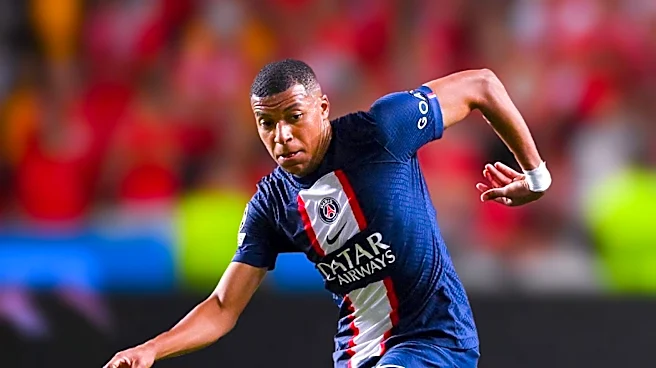
Aside from a blistering first half against Paraguay to open the tournament, Christian Pulisic seemed to fade. The hot take is that “Captain America” just didn’t show up when it counted, failing to be the superstar the team needed to make a deep run. People point to his quiet performance against Belgium as proof that he’s not in the same class as the Mbappés and Messis of the world. And while it's true he didn't dominate, the reason isn't as simple as a personal failing. The popular take misses the tactical context. After picking up an injury against Paraguay, Pulisic never looked as explosive. More importantly, the team's system, particularly in the Belgium match, left him isolated. The USMNT's most effective attacks have come from intelligent movement and creating space for Pulisic to operate between the lines. Against Belgium, the midfield struggled to control the game, meaning Pulisic received the ball under pressure, with less space and time. So yes, he was less effective. But it was less about him failing the team and more about the team’s structure failing to put its best player in a position to succeed when it mattered most.
Take #3: Spain's Run to the Final Is Boring, Defensive Football
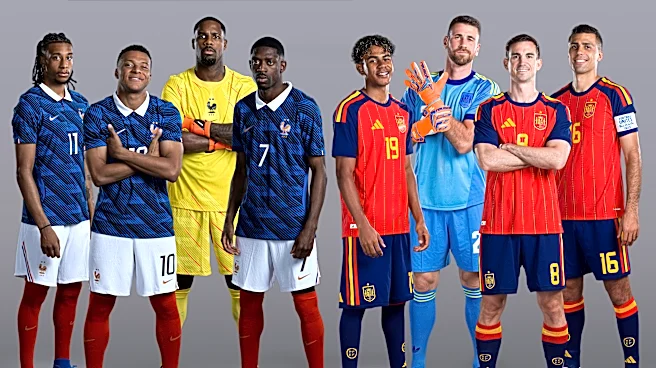
Spain is back in the World Cup final for the first time since 2010, and they’ve done it by building a historic defensive wall. They became the first team in history to keep six clean sheets in a single World Cup. The easy hot take? That this is classic, boring, defensive soccer—prioritizing not losing over the thrill of winning. It's an understandable conclusion if you just look at the scorelines. But calling it 'defensive' is right for the wrong reason. It's not passive, 'park-the-bus' defending. The real reason for their defensive record is a relentless and sophisticated offensive tactic: the counter-press. When Spain loses the ball, their immediate, swarming reaction to win it back is among the best in the tournament. This isn't defending near their own goal; it's defending high up the pitch, using pressure as their primary form of control. They prevent opponents from ever building an attack in the first place. So while the outcome is a clean sheet, the method is aggressive, high-risk, and tactically fascinating. It's a masterclass in control, not caution.
Take #4: VAR and Officiating Have Ruined the Tournament
From Egypt's controversial disallowed goal against Argentina to the firestorm around Folarin Balogun's suspended red card, it feels like every conversation after a big game is about the referees. The take is simple: VAR and inconsistent officiating have been the biggest story of the World Cup, creating chaos and undermining the results. There's no denying that controversy has been a major theme. But the conclusion that it has 'ruined' the game because of incorrect calls is where the argument gets flimsy. The frustration isn't really about right or wrong. FIFA has defended most of the big VAR decisions as technically correct according to the laws of the game. The real, and more accurate, reason for the fan revolt is the inconsistency and the process. Fans are upset by lengthy delays, a perceived lack of transparency, and the feeling that similar incidents are handled differently from one game to the next. The anger isn't about one bad call; it's about the erosion of trust in the system itself. The technology may be getting more calls right, but the human element of its application has left fans feeling frustrated and confused.