


The Fabric Foundation
Before we get to the structural elements, it all starts with the material. The secret weapon in most modern sculpting swimwear is a high-performance fabric blend, typically a mix of nylon and a significant percentage of spandex (often under brand names like Lycra or elastane). Unlike standard swimwear, these fabrics offer higher compression. Think of it as the difference between a regular t-shirt and performance workout leggings. This compressive quality provides a smooth, firm base, gently holding everything in place. It's the canvas upon which designers apply more specific sculpting techniques, ensuring the final garment works with the body, not against it. Without this foundational hug, the other elements wouldn't be nearly as effective.
Binding as a Structural Frame
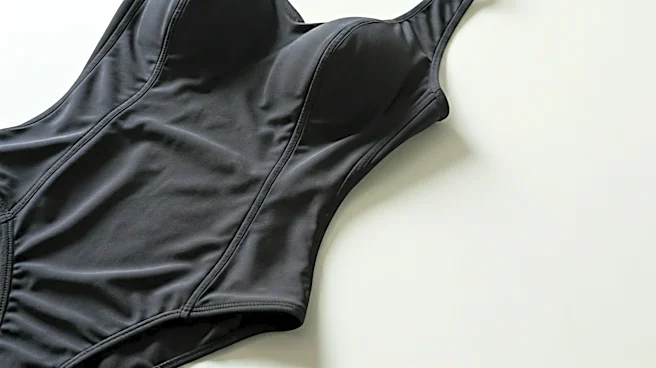
When you think of binding on a swimsuit, you probably picture the thin fabric finishing the edges of the leg holes or straps. But in high-end design, it does so much more. Strategically placed binding acts like a hidden framework. Designers use thicker, less-stretchy, or even elastic-enforced binding along the underbust, neckline, or armholes to create tension and support. A firm band of binding under the bust, for example, can provide the lift of an underwire without the actual wire. Along a low-back suit, it ensures the edges lie flat against the skin instead of gaping. It defines the silhouette, creating clean, sharp lines and preventing the suit from stretching out in high-stress areas. It’s a subtle detail that provides significant architectural integrity.
Modern Boning for Shape and Support
The word "boning" might conjure images of rigid, historical corsets, but its use in swimwear is far more modern and comfortable. Designers use flexible plastic boning—often called side boning—to add structure where it’s needed most. You’ll typically find it inserted into the side seams of a bikini top or a one-piece, running vertically from the armpit down. Its job is to prevent the suit from rolling or bunching, providing lateral support and helping the garment maintain its shape. In strapless bandeau styles, side boning is non-negotiable; it's the key element that holds the top up and prevents the dreaded downward slide. This small, hidden detail gives the bust a defined shape and ensures the fit remains secure, whether you're lounging or taking a dip.
Seams as Sculpting Lines
Seams are the unsung heroes of garment construction. While their basic job is to hold pieces of fabric together, skilled designers use them as sculpting tools. Instead of just straight side seams, you’ll see 'princess seams'—long, curved seams that run vertically down the front of a suit, creating an hourglass illusion and contouring the torso. Similarly, carefully placed darts—small, tapered folds of fabric—are used to shape the bust area, providing room and lift without adding bulk. Another powerful seaming technique is ruching or shirring, where fabric is gathered along a seam. This creates texture that masterfully conceals and flatters, particularly across the midsection. By drawing the eye and breaking up the flat plane of fabric, these seams don't just shape the suit; they visually reshape the silhouette.