


Beyond the Runway Spectacle
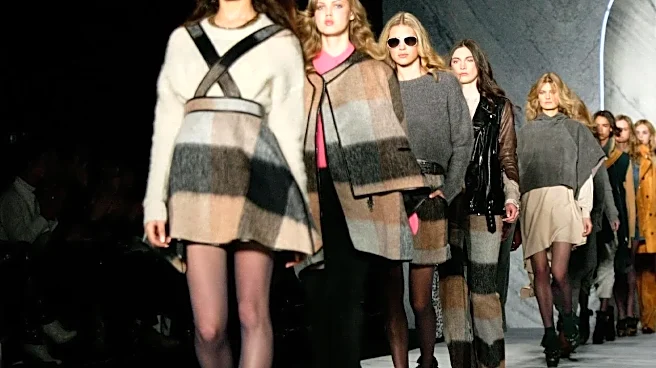
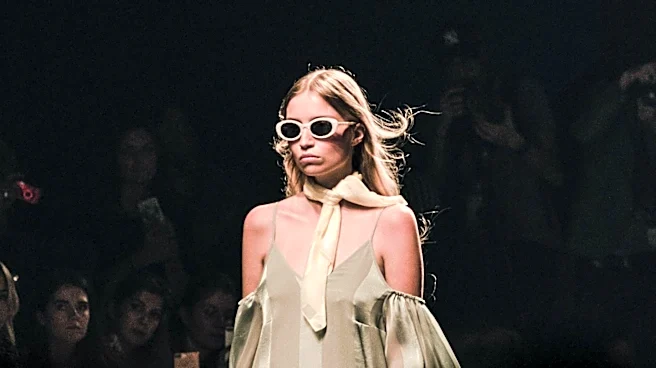
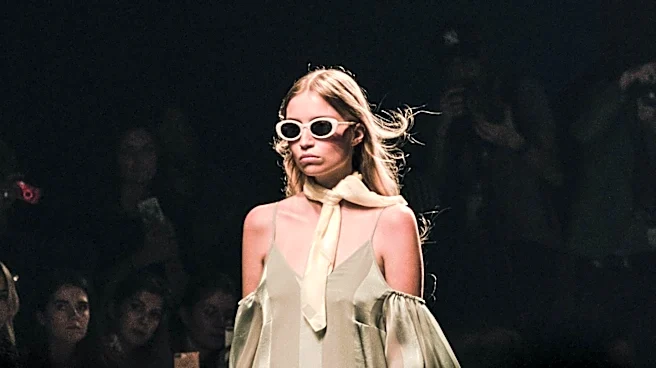
Each September, New York Fashion Week floods the city with designers, models, and media, all focused on the spectacle of the runway. A show is a designer's ultimate creative expression, a fleeting moment of pure art and storytelling. But amid the flashing
cameras and celebrity appearances, a quieter, more decisive process is unfolding. Seated in the front rows are the fashion buyers, the representatives from major department stores, influential boutiques, and e-commerce giants. Unlike editors who critique or influencers who create buzz, buyers have a very different mission: they are there to shop. Their job is to translate the high-concept world of the runway into a commercial reality, deciding which pieces will eventually hang on their store racks.
The Power of the Purchase Order
The “buyer advantage” is rooted in simple economics. For most designers, a collection is not a success until it sells. While direct-to-consumer sales are growing, wholesale orders from major retailers remain a critical revenue stream that keeps design houses in business. A single buyer from a national department store can represent an order worth hundreds of thousands, or even millions, of dollars. This financial leverage gives them immense influence. Their role isn't just to passively select items; it's to actively shape the collection's commercial viability. They act as the essential bridge between a designer's creative fantasy and the practical demands of the consumer market. Their decisions are a careful blend of data analysis—what sold well last season—and a sharp intuition for future trends.
From Runway Vision to Retail Reality
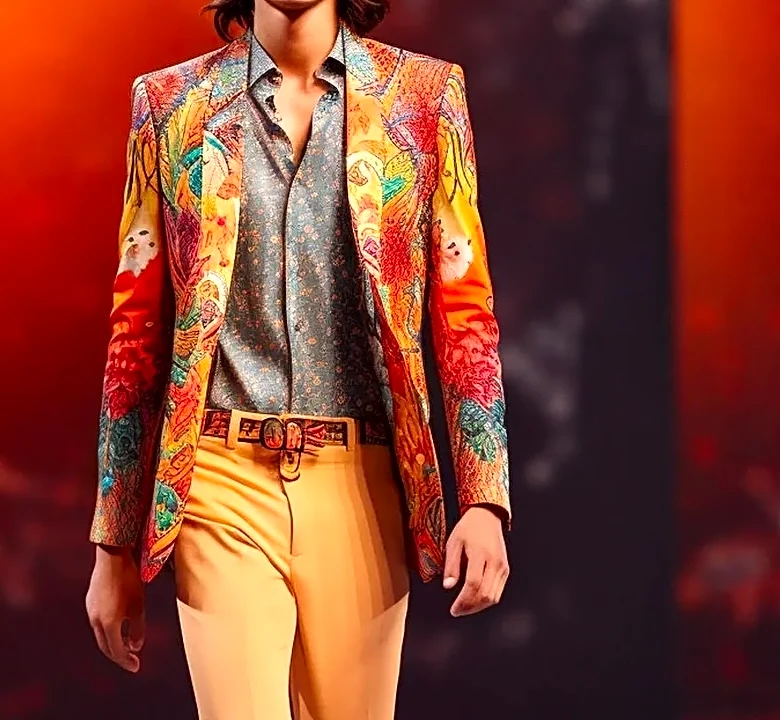
The influence of a buyer changes how a collection is “read” by making it shoppable. After viewing a runway show, buyers attend market appointments where they can see the clothes up close, touch the fabrics, and analyze the construction. It is here that the real negotiations begin. A buyer might love a dress but request it in a different color they know their customer prefers. They might ask for a hemline to be lengthened, a complex detail to be simplified for production, or a runway-only statement piece to be adapted into a more wearable separate. Sometimes, a designer's favorite, most experimental look gets no orders at all, effectively erasing it from the season's commercial story. This feedback loop is crucial; it filters the avant-garde through a lens of profitability and practicality, ensuring the final product resonates with the end consumer.
Is the Buyer's Reign Absolute?
While the traditional buyer holds significant power, the digital age is shifting the dynamics. The rise of social media and the “see now, buy now” model allows designers to appeal directly to consumers, bypassing traditional retail gatekeepers. A piece that buyers initially ignore can become a viral sensation on Instagram or TikTok, forcing retailers to place orders to meet unexpected demand. Furthermore, as consumers increasingly prioritize authenticity and brand storytelling, some designers are finding success by focusing on a niche, direct-to-consumer model where their creative vision remains unfiltered. This evolving landscape means the conversation between art and commerce is more complex than ever. The buyer's advantage is still a powerful force, but it now coexists with the undeniable influence of digital culture and direct consumer engagement.