



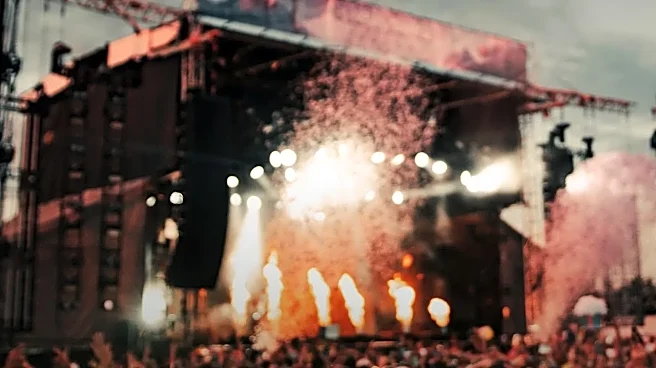
The Two-Weekend Endurance Run
Unlike most festivals that are a one-and-done affair, ACL runs over two consecutive three-day weekends. For a touring production team, this isn't a simple repeat performance. It’s an endurance marathon that tests people and equipment. The short period
between weekends offers almost no real downtime. Instead, it’s a frantic scramble for maintenance, troubleshooting gear that was pushed to its breaking point, and making adjustments. If a crucial lighting fixture or audio console fails during Weekend 1, there's a very tight window to repair or replace it. This structure turns what would normally be a sprint into a grueling middle-distance run where fatigue becomes a major factor for every crew member, from the lighting director to the stagehands.
Austin's Unpredictable Weather Gauntlet
Staging a massive festival in a 350-acre public park comes with environmental challenges. In Austin, early October weather is a wild card. It can be scorching hot, with temperatures well into the 90s, posing a risk of overheating for sensitive electronics (and the crew). But the bigger fear is rain. Heavy downpours can turn Zilker Park into a giant mud pit, making it difficult to move heavy equipment and creating safety hazards. Festival organizers proactively clear drains and accelerate setup schedules if storms are in the forecast, but a sudden deluge can still wreak havoc. In 2013, the final day of the festival was canceled entirely due to flooding, a nightmare scenario for artists and their production teams who had invested immense resources to be there. Crews must constantly be prepared to protect millions of dollars in gear from heat, dust, and water.
The Stage Changeover Puzzle
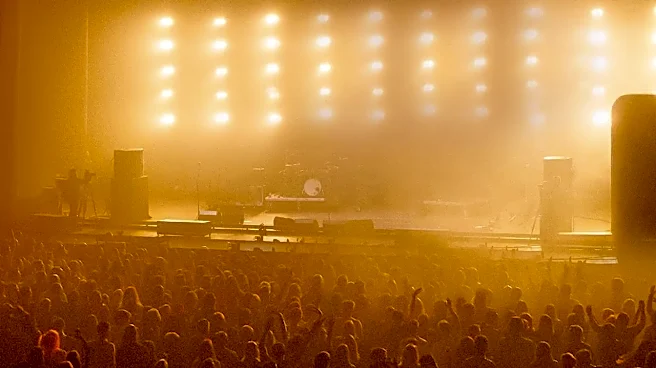
ACL hosts over 100 artists across nine stages, meaning the schedule is packed with back-to-back sets. This creates one of the most stressful situations in live production: the changeover. Teams typically have 30 to 45 minutes to get one band's entire setup off the stage and the next band's on, plugged in, and line-checked. For sub-headliners and main stage acts, this involves a complex dance of rolling risers, massive video walls, and intricate lighting rigs. Every minute counts, and a single snag—a faulty cable, a stuck wheel on a riser, a software glitch—can cause a delay that cascades through the rest of the day's schedule. It requires military-grade precision and communication, all happening in front of tens of thousands of expectant fans. The pressure to execute this flawlessly, dozens of times a day, is immense.
Logistical Labyrinths and Crowded Quarters
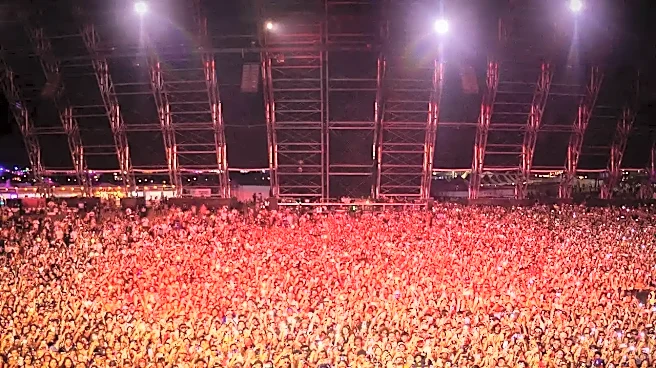
The sheer scale of ACL creates another layer of complexity. With an expected 75,000 attendees each day, Zilker Park becomes a temporary city. For production teams, this presents significant logistical hurdles. There’s no public parking at the park, and many surrounding roads are closed, making the load-in and load-out of tractor-trailers a highly coordinated, time-sensitive operation. Simply moving gear or personnel from the production compound to a stage on the far side of the park can be a mission in itself, navigating through dense crowds and other festival infrastructure. Furthermore, the number of wireless systems in use—from microphones and in-ear monitors to comms systems—creates a crowded radio frequency environment, requiring expert coordination to prevent interference that could derail a performance.