


The 1960s Space Age: Optimism in PVC
When you think “futuristic fashion,” you probably picture the 1960s. Fueled by the Space Race, designers like André Courrèges, Pierre Cardin, and Paco Rabanne translated the era’s cosmic optimism into wearable art. Courrèges' 1964 "Space Age" collection
was a landmark, featuring stark white and silver palettes, sharp A-line mini dresses, and go-go boots. He and his contemporaries embraced new, unconventional materials like PVC, vinyl, and metal. Paco Rabanne became known as a fashion "metal worker," creating iconic chainmail-style dresses from aluminum plates and rings that looked like armor for a stylish android. These weren't just clothes; they were manifestos for a new, liberated woman, with clean geometric shapes and accessories like astronaut-inspired goggles and helmets that defined a generation's vision of tomorrow.
The 1980s Power-Futurism: Robotic Glamour
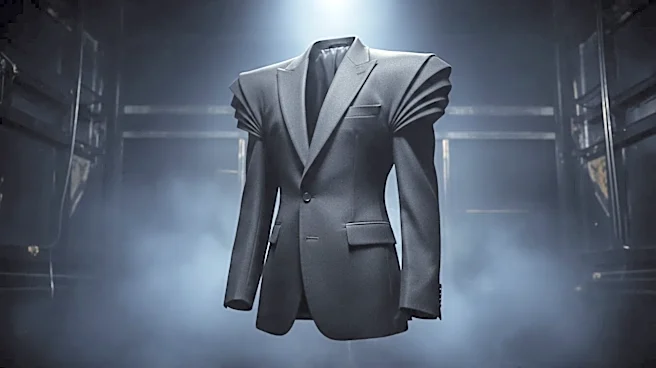
The future got tougher in the 1980s. The optimism of the 60s gave way to a more angular, aggressive, and powerfully glamorous vision, championed by designers like Thierry Mugler. Mugler's runways were pure spectacle, transforming models into robotic goddesses, alien femme fatales, and sci-fi heroines. He was a master of the silhouette, creating iconic looks with broad, exaggerated shoulders and impossibly cinched waists. This was the era of power dressing, but Mugler took it to a theatrical extreme, using materials like latex, metal, and vinyl to craft corsets that looked like chrome car bodies and outfits that resembled futuristic armor. His vision was less about space travel and more about a cyberpunk-inflected future where women were powerful, untouchable, and in complete control.
The Late '90s/Early '00s: The Digital Dawn
As the world entered the internet age, fashion's vision of the future became intertwined with technology itself. Alexander McQueen was a pioneer, using the runway to explore the complex relationship between humanity, nature, and the digital world. His Spring/Summer 1999 show, where two giant robots spray-painted a dress worn by model Shalom Harlow, remains one of fashion's most powerful moments, a commentary on creation and mechanization. But it was his Spring/Summer 2010 collection, "Plato's Atlantis," that cemented his status as a digital visionary. It was the first major fashion show to be live-streamed, and it featured models transformed into otherworldly aquatic beings through intricate, digitally printed fabrics inspired by reptile skin and sea creatures. Paired with the infamous towering "Armadillo" shoes, it was a hauntingly beautiful, apocalyptic forecast of humanity's future in a world reshaped by climate change.
The 2010s to Now: Biotech and Digital Craftsmanship
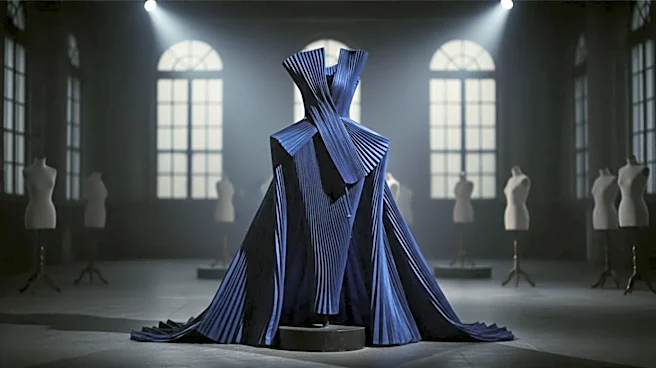
Today's strongest futuristic references come from designers who blend technology and nature with breathtaking artistry, and no one does it better than Iris van Herpen. Moving beyond simple geometric shapes, her work is organic, complex, and often seems to be alive. Van Herpen is a pioneer of using 3D printing in haute couture, not as a gimmick, but as a tool to create intricate, otherworldly garments that would be impossible to make by hand. She collaborates with architects, scientists, and digital artists to develop mind-bending dresses that ripple like water, branch out like coral, or seem to float around the body like smoke. Her collections explore concepts like biomimicry, terraforming, and sensory perception, using materials from steel-infused silk to laser-sintered polymers. This isn't just predicting the future; it's a look at how fashion can be grown, coded, and engineered in harmony with the natural world.