






Understanding the Wax-Heavy Base
Wax-heavy bases, often found in stick foundations or solid compacts, get their structure from cosmetic waxes like beeswax, carnauba, or candelilla wax. These ingredients create a thicker, creamier texture that forms a resilient layer on top of the skin.
Think of it as a protective shield for your face. The primary function of wax in cosmetics is to provide structure, stability, and water resistance. This makes wax-based products incredibly durable and less likely to break down when you sweat or face humid conditions. Their dense nature also means they are effective at smoothing over texture and filling in the appearance of pores for a flawless finish.
Pros and Cons of a Wax Base
The biggest advantage of a wax base is its remarkable staying power. These formulas are built for longevity and are often water-resistant, making them a formidable opponent against heat and perspiration. For a full day under the sun, this durability is a major asset. However, that resilience can come at a cost. Wax-heavy formulas can sometimes feel heavy on the skin, and if you have oily or acne-prone skin, their occlusive nature could potentially lead to clogged pores. Application requires a bit of care; because they are so pigmented and thick, blending is key to avoiding a heavy or 'caked-on' look.
Exploring the Oil-Rich Base
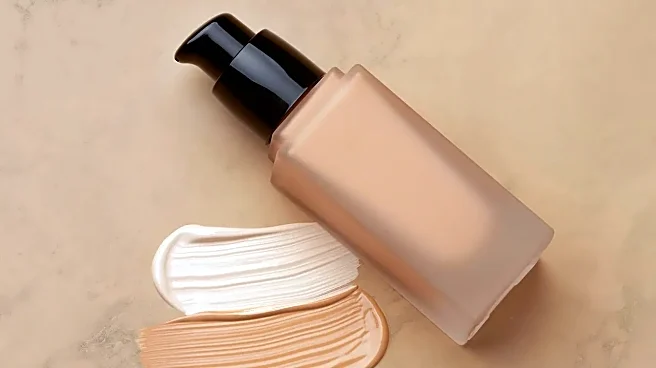
Oil-rich bases, typically found in liquid or serum foundations, use nourishing oils like argan, jojoba, or squalane as a primary component. These formulas are known for their ability to blend seamlessly into the skin, providing a luminous, dewy finish that looks and feels more natural. Instead of forming a layer on top, they meld with the skin, enhancing its natural texture while providing coverage. For those with dry or mature skin, oil-based foundations can be particularly beneficial, as they offer an extra layer of hydration that keeps the skin looking plump and prevents makeup from settling into fine lines.
Pros and Cons of an Oil Base
The main draw of an oil base is the beautiful, skin-like finish it provides. It’s lightweight, comfortable, and gives a radiant glow that looks healthy and fresh. The downside? Longevity can be an issue, especially in hot and humid weather. The very oils that make the foundation look so natural can also cause it to break down more quickly when mixed with your skin's own oils and sweat. For those with already oily skin, an oil-rich base can sometimes exacerbate shine, leading to a greasy look by midday rather than a dewy one.
The Verdict: Making Your Choice
Choosing between wax and oil comes down to three factors: your skin type, the weather forecast, and your desired finish. If you have oily or combination skin and the forecast calls for high heat and humidity, a wax-heavy base is your safest bet for all-day wear. It will provide the sweat-proof endurance you need. If you have dry or mature skin and prefer a radiant, natural look, an oil-rich base will be more comfortable and flattering. It will keep your skin hydrated and glowing. For those with balanced skin on a milder day, the choice is yours. A wax base offers security, while an oil base provides a more luminous finish. You can even mix the two approaches, using a wax-based concealer on blemishes and an oil-based foundation elsewhere.
Pro Tips for All-Day Endurance
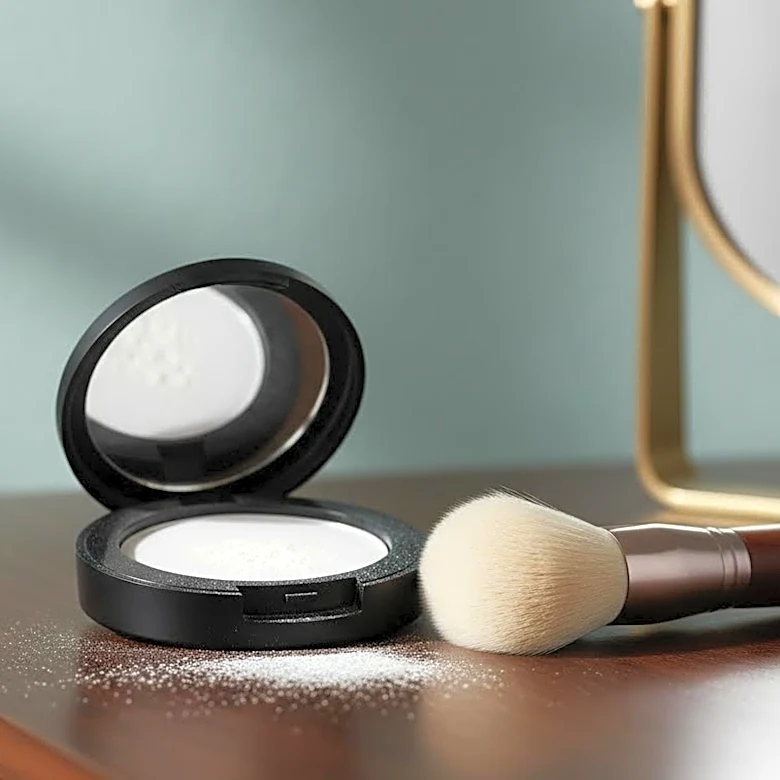
Regardless of which base you choose, proper preparation and setting are non-negotiable for a long event. Always start with a primer suited to your skin type; a mattifying one for oiliness or a hydrating one for dryness creates the perfect canvas. Apply your foundation in thin, light layers rather than one thick coat to improve adherence. Once your makeup is applied, lightly dust a translucent setting powder over your T-zone and any other areas prone to shine. The final, crucial step is a generous misting of setting spray. This will lock everything in place and meld the layers together for a finish that lasts through every set and tie-break.