


The Myth of 'Just Talking'
The most common misconception about conversational podcasts is that success is as simple as hitting 'record' and talking. In reality, a show built on the premise of "we'll just talk and see where it goes" is often a show that goes nowhere. The best conversations
are guided by a subtle framework. Producers and hosts spend significant time in pre-production, defining the episode's purpose, central questions, and desired takeaways. This doesn’t mean scripting the dialogue, but rather building a roadmap that allows for spontaneous detours while ensuring the journey has a destination. Without this structure, conversations tend to ramble, repeat points, or lose energy, quickly alienating listeners who value their time.
The Art and Science of Chemistry
The dynamic between hosts or between a host and a guest is not an accident; it's the result of careful casting and conscious effort. A great conversationalist is, first and foremost, a great listener. They aren't just waiting for their turn to speak. They are actively processing what's being said, looking for threads to pull on, and asking thoughtful, probing questions that open up deeper avenues of discussion. Producers often look for hosts who have complementary, not identical, personalities. One might be the inquisitive expert, the other the relatable skeptic. This dynamic creates a natural tension and balance that makes the conversation more engaging for the listener who feels like they are part of the discovery.
The Unseen Labor of Preparation
Behind every seemingly casual question is often hours of research. Great hosts dive deep into their guest's work, background, and previous interviews to avoid asking the same tired questions. The goal is to create a space where the guest can say something new. For co-hosted discussion shows, this prep work involves curating topics, finding interesting data or anecdotes, and developing distinct points of view. This preparation allows the hosts to bring value and context to the conversation, elevating it from a simple chat to a genuinely informative and entertaining experience. It’s the host's job to know the material so well that they can be fully present and responsive in the moment, rather than mentally scrolling through a list of talking points.
Engineering Spontaneity in Post-Production
The most polished conversational podcasts undergo a rigorous editing process that the listener never notices. Post-production is about much more than just removing "ums," "ahs," and awkward pauses. Editors are shapeshifters of time and narrative. They might tighten a rambling story to make its punchline land harder, cut a tangent that led to a dead end, or re-sequence segments to improve the overall flow and thematic arc. The goal is to create a version of the conversation that is more focused, coherent, and engaging than it was in real time. This audio sculpting is a delicate art; the editor's hand must remain invisible, preserving the natural rhythm and authenticity of the dialogue while sanding away all the friction.
The Technical Tightrope Walk
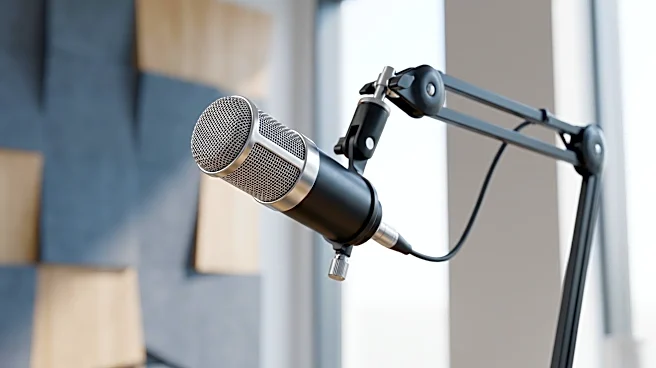
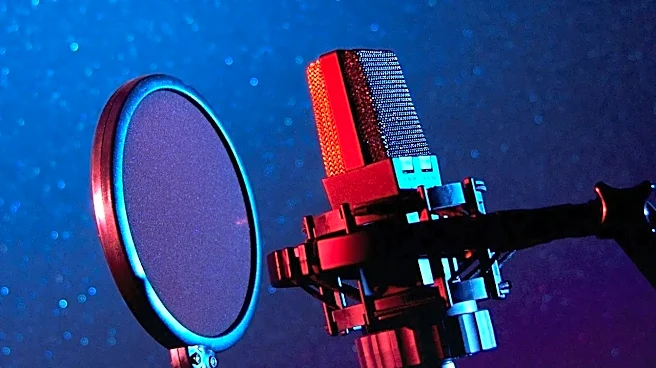
All the brilliant conversation in the world won't matter if the audio quality is poor. Bad audio is one of the top reasons new listeners abandon a show. Achieving clean, consistent, and professional-sounding audio is a significant technical challenge. It involves selecting the right microphones, understanding recording environments to minimize echo and background noise, and managing the complexities of remote recordings. When a host and guest are in different locations, producers often have them record their audio locally on their own computers. This avoids the compressed, glitchy sound of internet calls. The separate audio tracks are then sent to the editor, who must painstakingly sync them together to create a seamless conversation. It's a logistical and technical effort that is crucial for making the listener feel like everyone is in the same room.