
The Tyranny of the Streaming Menu
It’s a familiar modern ritual. You finish dinner, sink into the couch, and grab the remote. Then the work begins. You open one streaming app, then another. You scroll through endless rows of vibrant thumbnails, each a promise of a story to be told. You read
synopses, watch trailers, and weigh your options. Is tonight a gritty detective drama, a lighthearted comedy, or that documentary you’ve been meaning to watch? Studies have shown that viewers can spend a significant amount of time—sometimes up to 20 minutes or more—just deciding what to watch. This phenomenon, known as 'choice paralysis,' has turned leisure time into a low-stakes, high-frustration chore. The limitless library of on-demand content, once a revolutionary promise, now often feels like a homework assignment. Your evening entertainment has become a task to be optimized, and the pressure to choose the 'perfect' show can be strangely exhausting.
The Gentle Art of Channel Surfing
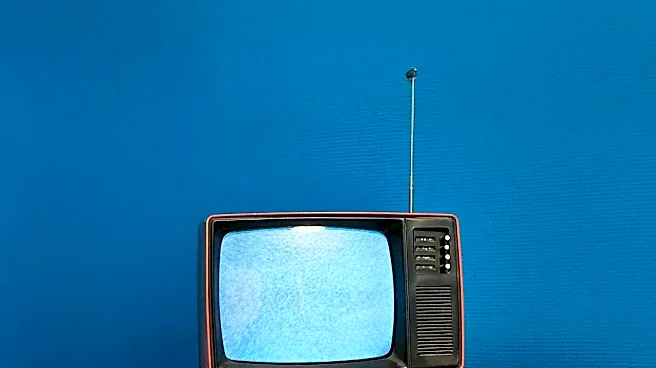
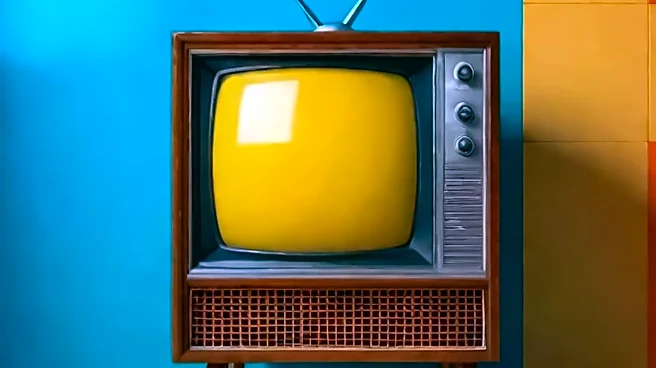
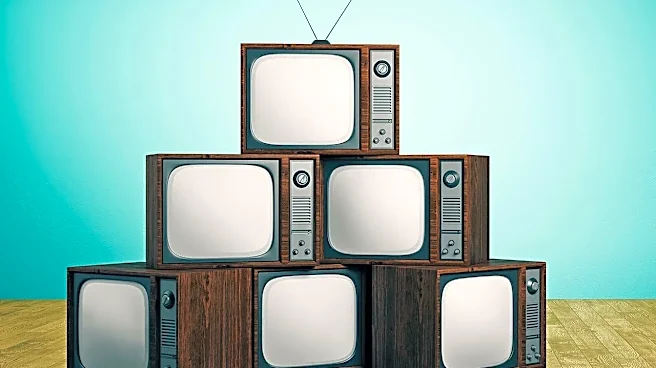
Now, cast your mind back to a simpler time. You turn on the TV, and something is already playing. Maybe it’s a classic movie you love, halfway through. Perhaps it’s a rerun of a sitcom from your childhood or a nature documentary about deep-sea creatures you'd never think to search for. You don’t have to choose it; it simply presents itself. This is the magic of linear television, the core of the cable experience. It’s a passive medium in an actively demanding world. Channel surfing is not about a specific destination; the journey itself is the point. It’s a low-commitment form of discovery. Don’t like what’s on? One click and you’re somewhere else entirely. There’s no paralysis because the stakes are nonexistent. You’re not building a watchlist or curating a personal brand; you’re just seeing what’s out there. This serendipity is something algorithms, for all their sophistication, can’t replicate.
Lowering the Mental Stakes of Downtime
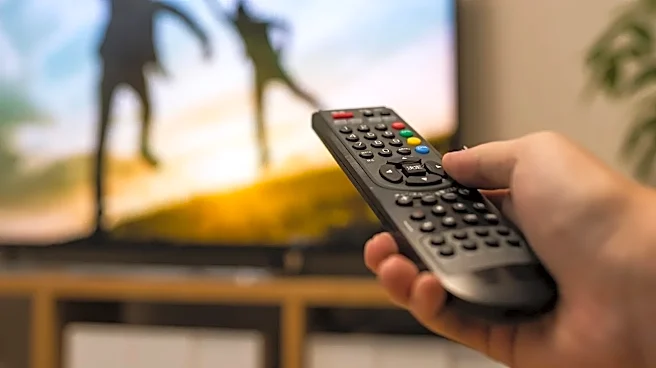
The fundamental difference between streaming and channel surfing is the mental load. Streaming requires active, intentional choice. Cable invites passive reception. In a world where we are constantly making decisions—from what to eat for lunch to which email to answer first—the last thing many of us want is another open-ended question when we’re trying to relax. The beauty of stumbling upon an old episode of Law & Order or a random basketball game is that it asks nothing of you. The decision has been made by a distant network programmer. Your only job is to decide whether to stay or to click ‘channel up.’ This passive consumption provides a different kind of mental relief. It’s the entertainment equivalent of floating in a pool versus training for a swim meet. Both are valid, but only one is truly effortless. As cord-cutting continues and cable subscriptions dwindle, this is the experiential loss we rarely discuss.
A Small Rebellion Against Optimization Culture
This isn’t just about television. Our lives are increasingly governed by the ethos of optimization. We have apps to track our sleep, our finances, and our fitness. Our music is algorithmically tailored to our listening history. On-demand culture promises ultimate control, but it also creates an implicit pressure to always be choosing wisely. In this context, the scheduled, un-chosen nature of cable TV feels like a small act of rebellion. It’s an embrace of chance and a rejection of the idea that every moment of our free time must be perfectly curated and maximized for our enjoyment. Sometimes, the most relaxing thing is to cede control and let the entertainment come to you, commercials and all. It allows for shared cultural moments—watching a finale or a major event at the same time as millions of others—something that the fragmented, personalized world of streaming has largely eroded.