





Material Is Everything: Sponge vs. Skin
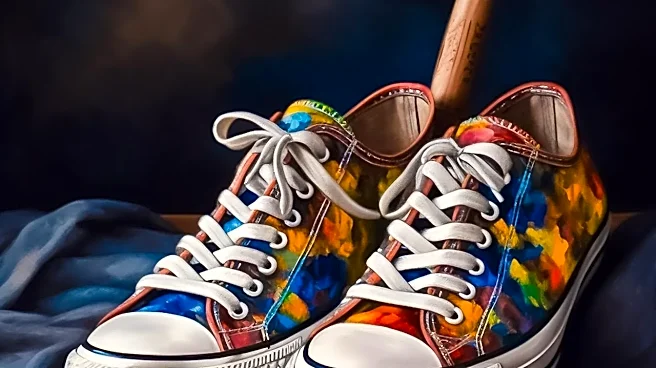
The core difference comes down to the material itself. Think of a shoe, whether it's leather, pleather, or canvas, as a finished product with a 'skin'. Its surface is relatively non-porous and designed to repel dirt and water. Your job is to get paint
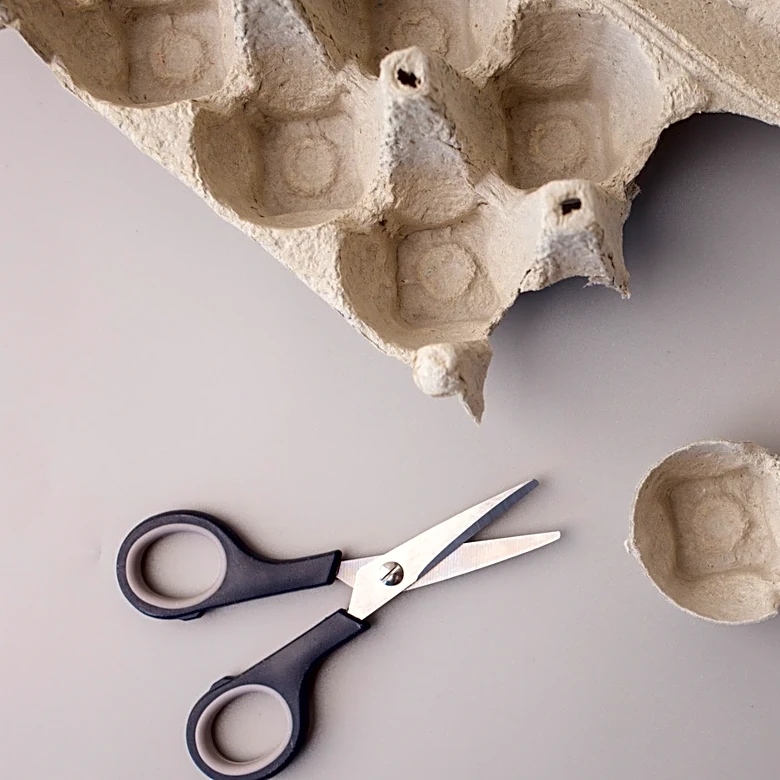
to stick to this pre-existing surface without cracking when it flexes.Now, think of EVA foam, the go-to for most cosplay armor, as a dense sponge. Its surface is made of open cells that will drink up paint, leading to a patchy, uneven finish that requires endless coats. Your job isn't to paint the foam itself, but to first create a brand new, non-porous surface on top of it, and then paint that.
Prep Work: Cleaning vs. Creating a Surface
Because the materials are so different, the prep work is worlds apart. For a shoe, preparation is mostly about cleaning. You'll use a leather preparer or isopropyl alcohol to strip off any factory finishers and oils. This ensures the new paint has a clean, slightly abraded surface to grip onto. It's a quick, straightforward process.Foam armor, on the other hand, requires a multi-step construction process. First, you must heat seal the foam with a heat gun. This closes the surface cells, reducing how much primer it will absorb and creating a smoother finish. Then, after sanding and assembly, you have to apply a sealing primer. This isn't just a suggestion; it's a mandatory step to prevent the foam from soaking up your paint.
The Primer Rule: Adhesion vs. Sealing
For shoes, a 'primer' isn't always a separate coat. Often, proper cleaning is enough, but for tricky surfaces like rubber soles, you might use an adhesion promoter. The goal is simply to make sure the paint sticks.For foam armor, the primer is the most critical step. You need a primer that both seals the foam's porous surface and remains flexible. Standard hardware store primers will crack the moment the armor bends. This is where cosplay-specific products shine. Flexible primers like Plasti Dip, HexFlex, or Flexbond are popular choices. They create a new, paintable, rubberized skin on top of the foam that can bend and flex with the piece. Several coats are often needed to build up a smooth, durable base.
The Right Paint for the Job
Once you're ready for color, flexibility remains the name of the game for both projects. For shoes, specialty acrylic leather paints, like those made by Angelus, are the industry standard. These paints are formulated to be extremely flexible and bond with leather and vinyl, preventing the cracking that happens when you walk. Regular craft acrylics will peel and crack almost immediately.For foam armor that has been properly sealed and primed, you have more options. Many types of acrylic paint will work well on top of a flexible primer. Brands that focus on high pigment and flexibility, like Liquitex or specialized cosplay paints like Plaid FX, are excellent choices for brushing on details. The primer does the heavy lifting for flexibility, but using a flexible paint adds another layer of security against cracking.
Sealing the Deal: Protecting Your Work
After all that work, you need to protect your paint job. For shoes, a top coat or finisher is essential. It protects the paint from scuffs, scratches, and moisture, and it also comes in various finishes like matte, satin, or glossy to give you the desired look. Again, flexibility is key.For foam armor, the final sealant adds durability. A clear coat of the same flexible primer you used (like clear Plasti Dip) or a brush-on sealant can work wonders. This top layer protects against the inevitable bumps and scrapes that happen while wearing a costume. It locks in the paint and weathering effects, ensuring your hard work survives the convention floor.