

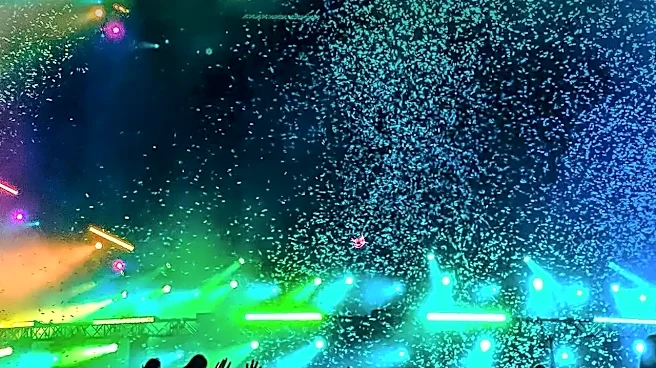
The Headliner Paradox
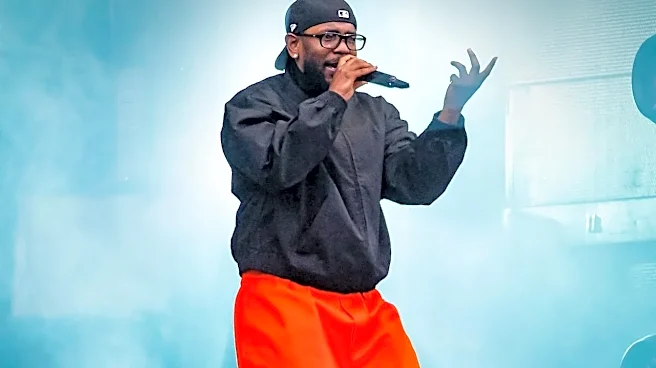
Let’s be honest: the headliners are a huge part of why you bought a ticket. Seeing a musical titan like Kendrick Lamar or Billie Eilish close out the night at Zilker Park is a rite of passage. But the reality of that experience often involves navigating
a sea of 75,000 people, craning your neck for a glimpse of the video screen, and dealing with massive logistical challenges. The sheer scale can dilute the connection to the music. You’re part of a massive event, but it can feel less like a concert and more like a human traffic jam. This is the headliner paradox: the bigger the name, the farther away you are, and the more the experience becomes about endurance rather than enjoyment.
The Afternoon Advantage
Now, picture this: it’s 2 p.m. on a Saturday. The massive crowds that will descend for the evening’s main acts haven't fully arrived yet. You’re wandering over to one of the smaller stages, where a band you’ve barely heard of is about to play. The sun is warm, you can get close enough to see the artists' expressions, and the sound is crisp and clear without a thousand conversations drowning it out. This is the midday sweet spot. Festival organizers strategically place promising, up-and-coming artists in these earlier slots. They’re the future headliners, the acts that are hungry, honed, and have something to prove. For them, this isn't just another tour date; it’s a high-stakes audition in front of a discerning festival audience.
Smaller Crowds, Bigger Connection
The type of fan who shows up at Zilker Park hours before the main event is often a more intentional music listener. They aren't just there to party or camp out for a prime spot for the closing act; they are there to actively discover music. This creates a fundamentally different atmosphere. The energy isn't frantic or overwhelming; it's focused and appreciative. You're surrounded by people who are genuinely listening, which makes it easier to get lost in the performance yourself. This shared experience of discovery fosters a unique sense of community and connection, both with the artist and your fellow fans. Research has shown that these moments of collective joy and social integration are a core psychological benefit of attending festivals.
Embracing Musical Serendipity
Some of the most cherished festival memories aren't meticulously planned; they're happy accidents. Maybe you were walking to get a Mighty Cone and heard a guitar riff that stopped you in your tracks, or perhaps a friend dragged you to a set you were planning to skip. The midday hours, with their less-crowded schedules and overlapping sets, are built for this kind of serendipity. While the official ACL app and streaming playlists can help you find new artists based on your listening history, nothing replaces the magic of stumbling upon your new favorite band by pure chance. It’s a low-risk, high-reward proposition. You might not love every band you see, but when you find that one gem, the feeling of personal discovery is a prize that no headliner set can replicate. It transforms you from a passive spectator into an active participant in the festival's cultural ecosystem.