




From Vacation Staple to Urban Statement
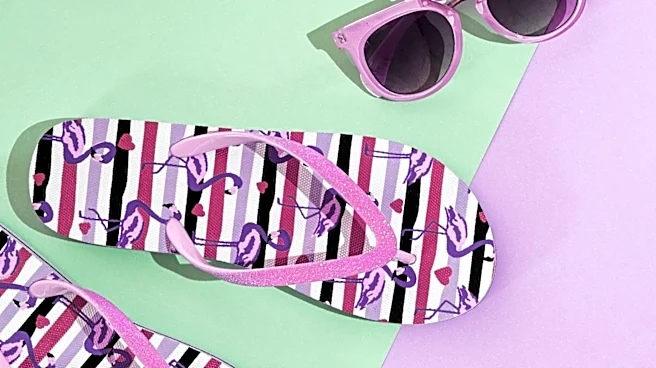
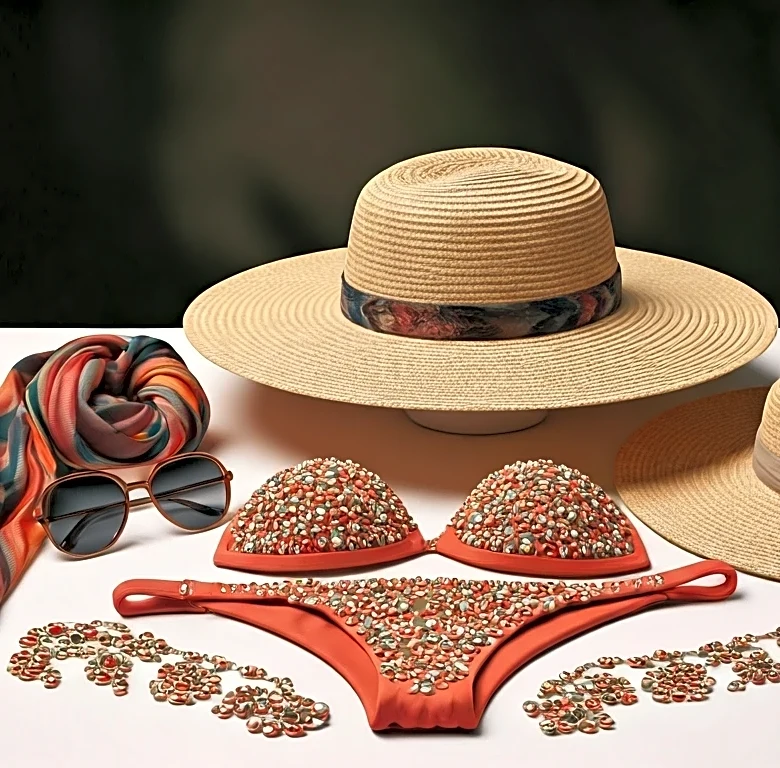
For decades, mesh and crochet knits were synonymous with vacation. They were the perfect, practical cover-up—a breathable layer to throw over a bikini for a walk to the bar or a seaside lunch. Their purpose was clear: to offer a hint of modesty while
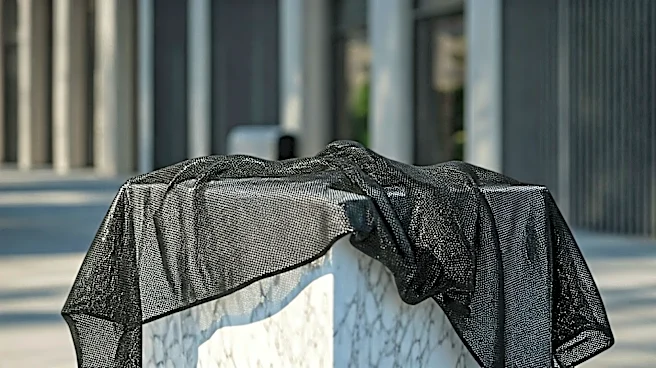
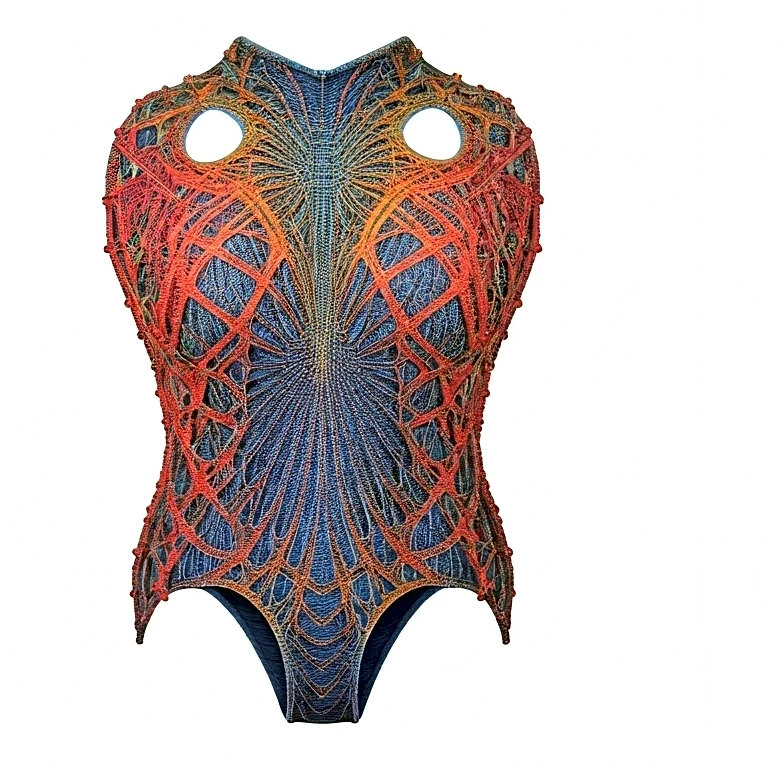
still embracing a relaxed, sun-and-sand ethos. They lived in the 'resortwear' section of our closets, packed away until the next tropical getaway. But in the last few seasons, a significant shift has occurred. That same delicate, web-like fabric has migrated from the coastline to the city pavement. We're seeing mesh dresses layered over slips for a dinner out, sheer tops paired with tailored trousers for a night at a gallery, and net-like skirts worn with blazers for a surprisingly chic office-adjacent look. What was once purely functional beach attire has been rebranded as a versatile, fashion-forward statement piece, completely detached from its waterside origins. This isn't just about a single item; it's about a whole category of clothing finding a new, more dynamic identity.
The Runway and Red Carpet Effect
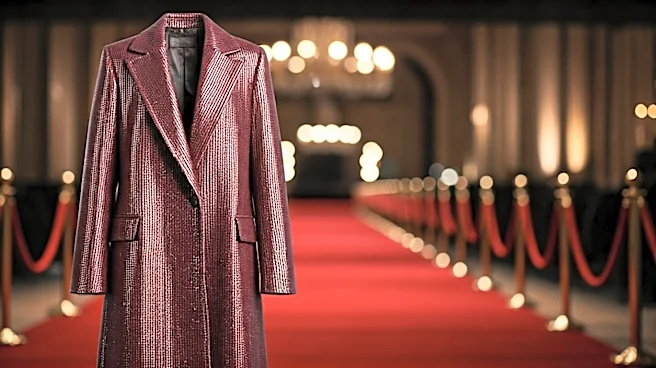
You can't talk about a trend's migration without crediting the tastemakers who pave the way. High-fashion designers were the first to signal the change. Brands like Tory Burch, Ferragamo, and Proenza Schouler began incorporating sophisticated mesh, netting, and sheer overlays into their ready-to-wear collections. They presented it not as beachwear, but as an integral part of a modern wardrobe—a tool for creating texture, depth, and intrigue. Celebrities quickly followed, translating the runway concept for the real world (or, at least, the highly photographed celebrity version of it). Stars like Kendall Jenner and Dua Lipa have been spotted in full-length mesh dresses for evening events, while others use sheer tops to add an edge to casual denim. This phenomenon, sometimes dubbed "naked dressing," has been all over red carpets and street-style blogs. When the public sees A-listers confidently wearing these daring looks, it demystifies the trend and provides a visual blueprint, making it feel more attainable and aspirational for everyone else.
The Art of Strategic Layering
So, how exactly is mesh being worn in a city context without looking like you've lost your way from the beach? The secret is strategic layering. This is the key difference between resort styling and urban styling. On vacation, a mesh cover-up goes over a swimsuit. In the city, it’s all about what you put under and over it. A sheer mesh long-sleeve top, for instance, is rarely worn on its own. Instead, it’s layered over a simple black bra or a sleek camisole for a look that's alluring without being overly revealing. It can also be worn *under* a slip dress or a band t-shirt to add a touch of texture peeking out at the neckline and cuffs. Similarly, a mesh dress is almost always styled over a solid-colored slip, a boy-short-and-bra combo, or even a simple t-shirt and jeans for a more avant-garde approach. The mesh becomes a delicate, artistic overlay rather than the main event, adding visual interest and a sense of dimension to an otherwise simple outfit.
A Post-Pandemic Mood Shift
Beyond the influence of designers and celebrities, there's a deeper cultural mood at play. The post-pandemic era has ushered in a collective desire for self-expression and sartorial joy. After years spent in muted sweats and comfort-first clothing, many are embracing fashion that is more playful, adventurous, and even a little bit daring. Mesh fits perfectly into this new mindset. It’s a fabric that’s inherently about being seen. It plays with transparency and concealment, allowing the wearer to decide exactly how much they want to reveal. This move towards more deliberate, expressive, and sometimes provocative dressing is a reaction to the monotony of lockdown life. It's a way of reclaiming our bodies and our presence in public spaces. Wearing a mesh top isn't just a style choice; it's a small act of confidence, a signal that you're ready to embrace the world and be noticed again, on your own terms.