






The Classic Power Play: The Three-Piece Suit
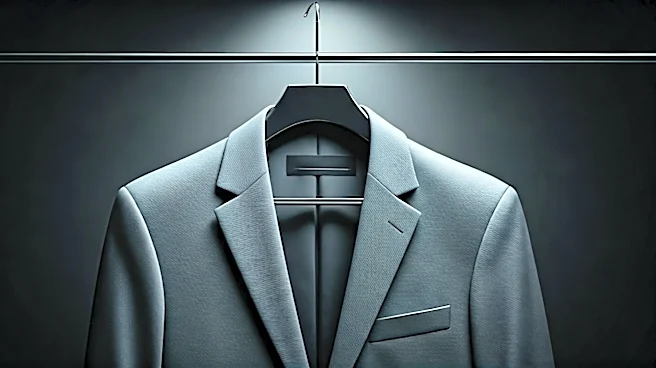
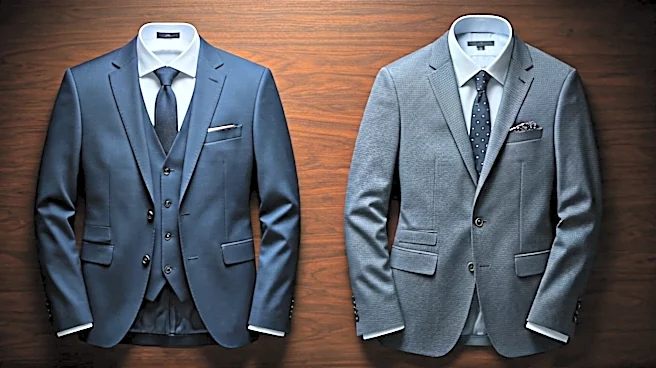
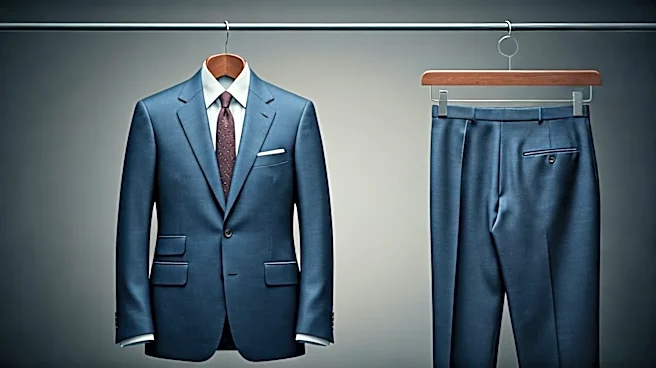
For decades, the default draft-night uniform was a declaration of seriousness. The three-piece suit—jacket, trousers, and waistcoat—is a sartorial signal that you’ve arrived ready for business. It says, “I am not a kid anymore; I am a professional.” This
is the aesthetic of maturity, tradition, and respect for the institution you’re about to join. The vest adds a layer of formality and finish, closing the visual gap at the midsection and creating an uninterrupted, powerful silhouette. Choosing a three-piece is like telling GMs and fans that you’re a safe bet, a foundational piece, a future team captain. It projects stability and a CEO-of-Me-Inc. mindset. Think of it as the sartorial equivalent of a prospect praised for his high football IQ and pro-ready mechanics. It’s a timeless, low-risk, high-reward choice for a player looking to broadcast reliability from the moment he shakes the commissioner's hand.
The Confident Cool: The Open-Collar Look
The alternative path is less about fitting in and more about standing out. Ditching the tie and, often, the vest in favor of an open-collar shirt—or even a high-end knit or silk shirt—is the modern power move. This choice is about confidence, swagger, and a new kind of professionalism rooted in personal brand. It’s a look that feels more at home in the world of luxury fashion and social media influence than in a corporate boardroom. Players who opt for this style are often showcasing their personality and taste through luxurious fabrics, impeccable tailoring, and statement jewelry. It suggests a player who is already comfortable in his own skin and sees the league as a platform for his brand, not just his athletic talent. This is the look of a disruptor, the generational talent who doesn’t need to prove he belongs. He knows it, and he wants you to know it, too. Think of recent top picks like Caleb Williams, whose relaxed, fashion-forward draft looks signal a new era of athlete.
Brand Before the Ball is Snapped
Ultimately, the decision between these two styles is a strategic one, often made with a team of agents, stylists, and family members. It’s the first major branding exercise of a player’s professional career. Is the narrative you want to project one of a humble, hardworking leader ready to earn his place? The three-piece is your uniform. Or is your story about being a transcendent, culture-shifting force arriving to change the game? The open-collar flex is your calling card. There's no right or wrong answer, but the choice is telling. It gives fans and front offices a glimpse into the athlete's self-perception. It answers the question: Are you here to join the club, or are you here to build your own?
Beyond the Binary: The Bespoke Statement
Of course, many of today’s top prospects are blending and breaking these conventions entirely. Draft night has become a red carpet where custom is king. We see players using their suit lining to tell a story, perhaps with photos of their family or hometown landmarks. Others make bold statements with color, from deep burgundies to electric blues, moving far beyond the traditional navy and charcoal. The ultimate expression of this came from 2024 NFL draftee Marvin Harrison Jr., who skipped the ceremony but promoted a custom suit from a luxury brand featuring his own personal logo subtly integrated into the pinstripes. This wasn't just a suit; it was merchandise, a marketing asset, a declaration that his brand was already a powerhouse. It represents the pinnacle of draft-night fashion: using the moment not just to look good, but to build an empire.