




First, What Are Fashion ‘Codes’?
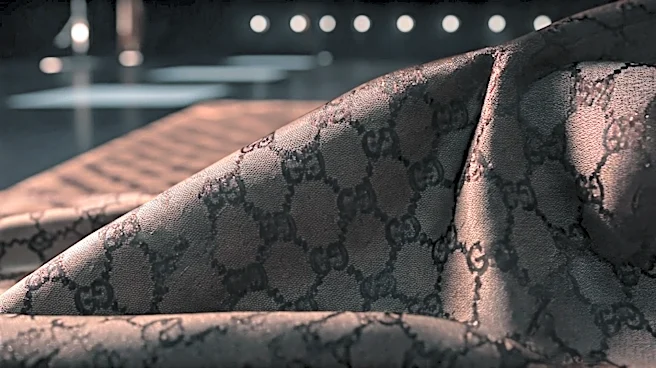
Think of a brand’s ‘codes’ as its DNA—the recurring symbols, silhouettes, and attitudes that make it instantly recognizable. For Gucci, this is a treasure trove. It’s the signature green-and-red stripe, originally from saddle girths. It’s the Horsebit
hardware, gleaming on a pair of leather loafers. It's the interlocking double-G logo, a status symbol for decades. But beyond logos and hardware, Gucci’s codes are also about a feeling. Under different creative directors, those codes have been interpreted to mean different things, creating distinct eras that designers still reference today. It’s not just about a handbag; it’s about a complete aesthetic universe, and two specific eras created the blueprint for modern menswear.
The Tom Ford Revolution: Sex and Power
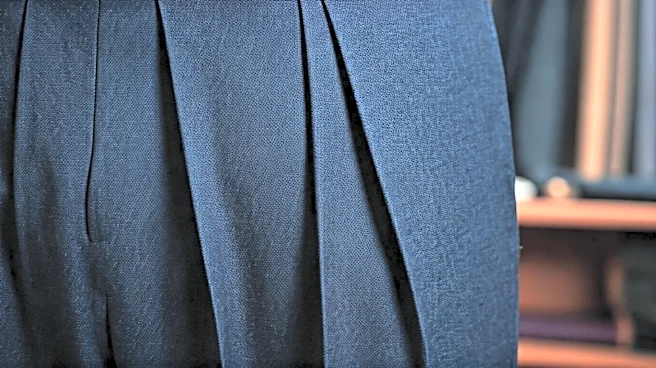
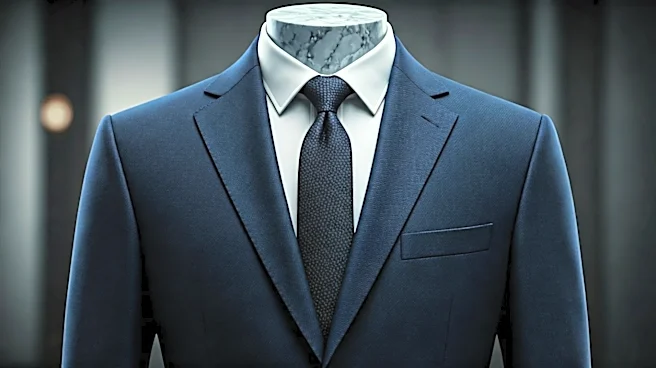
In the mid-1990s, Gucci was a dusty leather goods company on the brink of irrelevance. Then Tom Ford arrived. The Texan designer injected the brand with a potent cocktail of sex, glamour, and unapologetic luxury. His vision for menswear was razor-sharp and hedonistic. He gave us the velvet hip-huggers, the unbuttoned silk shirt, the impeccably tailored suit worn with an air of predatory confidence. This wasn’t just fashion; it was an attitude. Ford’s Gucci man was confident, sensual, and slightly dangerous. He established a new kind of modern masculinity that was polished but carnal. When you see a designer today send a model down the runway in a jewel-toned velvet blazer or a shirt opened to the navel, you are seeing the ghost of Tom Ford’s Gucci. He made overt sensuality a core part of the luxury menswear conversation, and it has never left.
The Michele Renaissance: Romance and Rebellion
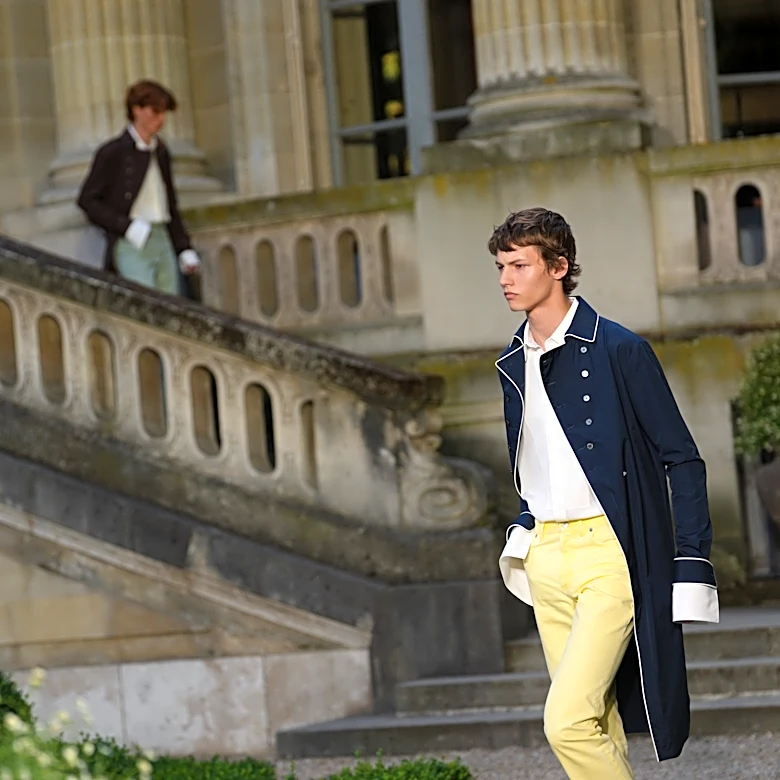
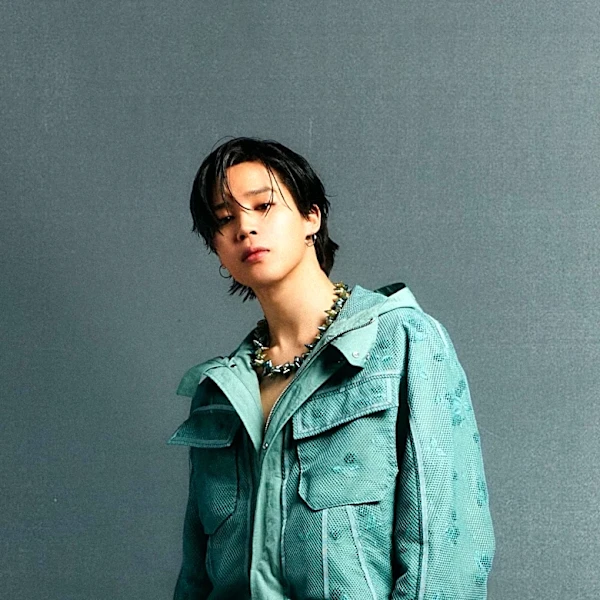
Fast forward to 2015. After a period of polished, jet-set style under Frida Giannini, a new, unknown designer named Alessandro Michele took the helm and blew the doors off. Where Ford’s vision was one of focused, minimalist sex appeal, Michele’s was one of maximalist, magpie romance. He looked into Gucci’s archives and pulled out everything—the florals, the animal motifs, the classic logos—and remixed them with vintage flea-market finds, historical art references, and a healthy dose of nerdy intellectualism. His menswear broke the rules. Men wore pussy-bow blouses, embroidered loafers, and floral suits. Gender became a fluid concept. It was eccentric, beautiful, and deeply personal, resonating with a younger generation that valued self-expression over traditional masculine norms. Michele’s Gucci proved that menswear could be soft, decorative, and intellectual without losing its power.
The Echoes on Today's Runways
So why does this matter in Milan today, even under Gucci's new creative director, Sabato De Sarno? Because Ford and Michele created two powerful, opposing poles that now define the entire spectrum of modern menswear. Today’s designers are constantly in dialogue with these legacies. When a collection features sleek, body-conscious tailoring and a dark, moody palette, it’s speaking Ford’s language. When another show is filled with gender-fluid silhouettes, quirky embellishments, and a sense of nostalgic layering, it’s channeling Michele. Other brands aren't just copying Gucci; they are using its established codes as a starting point, a shared vocabulary. A sharp suit paired with a delicate, sheer shirt is a perfect example of this synthesis—a conversation between Ford’s power and Michele’s poetry. Gucci’s past has become so foundational that it’s now the shared source code for the industry, shaping what masculinity and luxury look like for everyone.