




More Than Just a Film Festival
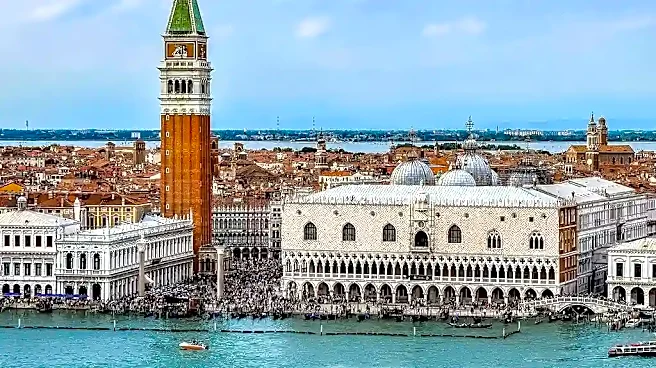
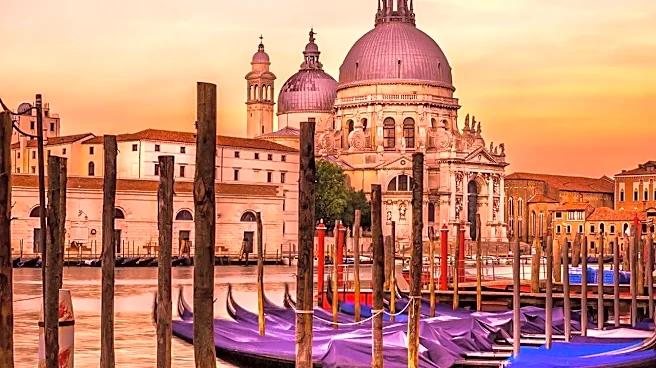
Forget red carpets for a moment and picture a small island a short boat ride from the main festival buzz. This is the Lazzaretto Vecchio, home to Venice Immersive, the festival's official section dedicated to Extended Reality (XR). Now celebrating its
tenth anniversary, it has become the world's premier showcase for immersive arts, featuring everything from virtual reality videos to interactive installations. This year, 68 projects from 26 countries are on display, all exploring the frontier of storytelling. The core idea is moving the viewer from a passive observer to an active participant. This power to interact and influence the world is what creators call "agency." It’s the difference between watching a character open a door and having to open it yourself, not knowing what’s on the other side.
The Classic Rules of Suspense
For over a century, filmmakers have mastered the art of suspense by making the audience powerless. Alfred Hitchcock famously explained it with his bomb theory: show the audience a bomb under a table, but don't let the characters in the scene know. The viewers' inability to intervene, to scream "Get out of there!", is what creates agonizing, delicious tension. Suspense is built on a foundation of dramatic irony and audience helplessness. We are locked in our seats, forced to watch events unfold, praying for an outcome we cannot influence. It’s a powerful formula that has defined thrillers and horror for generations.
When You Can Influence the Narrative
Virtual reality throws a fascinating wrench into that classic formula. When you give the audience agency, the old rules no longer apply. This is the central challenge and opportunity that creators at Venice Immersive are tackling. Agency can either amplify suspense or completely shatter it. For instance, in an experience where you are the one who has to disarm the bomb, the tension becomes deeply personal and visceral. Your fumbling hands and racing pulse are part of the story. Failure is your fault. Conversely, if the experience allows you to simply leave the room or avoid the tense situation altogether, the suspense evaporates. Creators are finding that they must carefully design their worlds to guide the user without taking away their freedom, a concept known as “diegetic direction.”
Dispatches From the Immersive Island
The 2026 lineup in Venice demonstrates how creators are navigating this paradox. Projects are moving beyond simple tech demos into what co-curator Michel Reilhac calls "sophisticated, interactive pieces of high-end storytelling." One project, "ULRICA," places you in the role of a submariner escaping a sinking vessel, using the descent into the ocean to create a powerful sensory experience. Another, focused on climate scientists on a remote oil rig, aims to make the abstract threat of climate change feel personal and urgent by putting you inside the story. These experiences don't just tell you a story; they make you a part of it, forcing you to confront the narrative's central tensions directly. They prove that the most powerful tool in VR isn't just seeing a new world, but feeling responsible for what happens in it.