

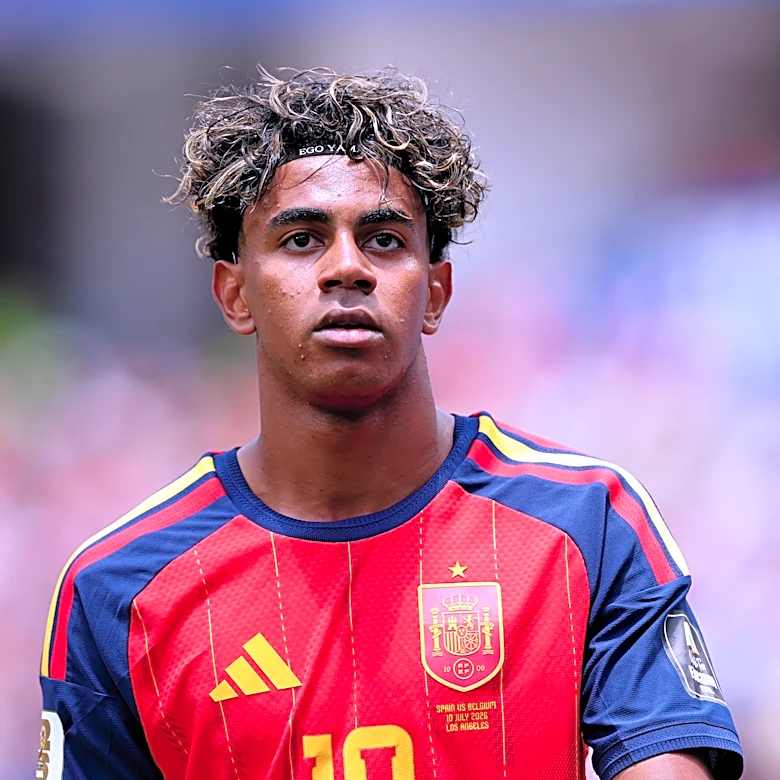

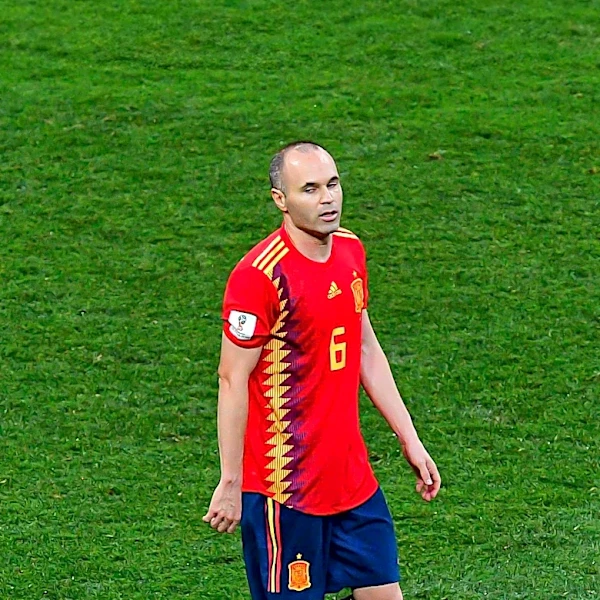
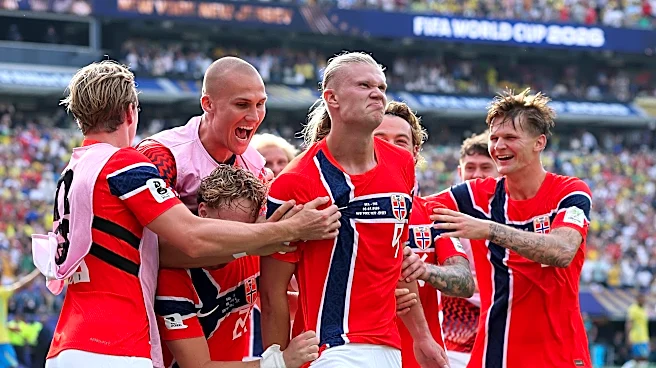
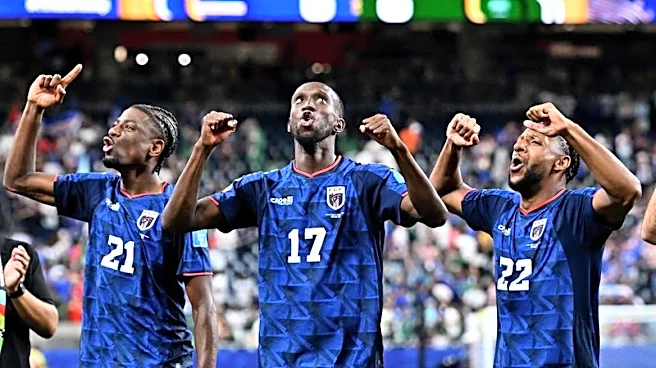
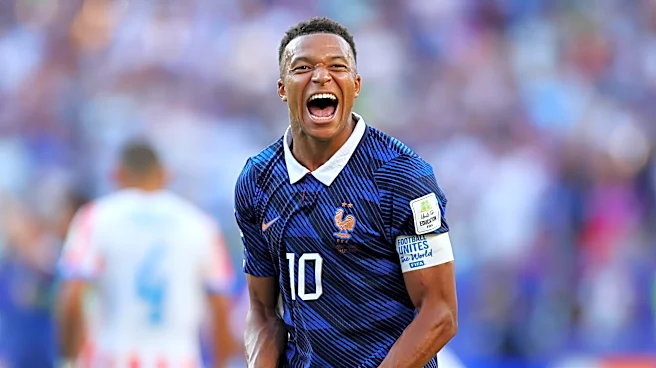


An Era of Farewells
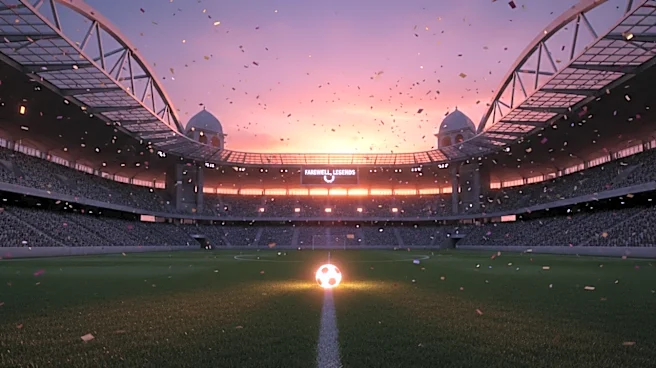
The term “Last Dance,” borrowed from Michael Jordan’s final championship season, perfectly captures the spirit of this World Cup. Never before has a single tournament featured such a concentration of aging titans making their final stand. A record number
of players aged 40 or older are participating, turning almost every marquee matchup into a poignant moment of legacy-defining drama. For fans who grew up watching these players dominate for nearly two decades, this tournament is less a competition and more a month-long farewell tour, celebrating athletes who felt like permanent fixtures of the sport. The expanded 48-team format only amplifies the effect, giving more of these icons one last shot on the world's biggest stage.
The GOAT's Final Reprise
At 39 years old, Lionel Messi is playing in a record sixth World Cup. Having already conquered the world in 2022, his presence here is a bonus for soccer romantics. He arrived with the pressure lifted, aiming to defend the title and savor his final international chapter. So far, he has been nothing short of spectacular, leading Argentina to the semi-finals where they will face England for the first time in his career. While he hasn't formally announced his retirement, it is widely expected this will be his final World Cup, making every moment he spends on the pitch a piece of living history.
The Unyielding Pursuit of Cristiano Ronaldo
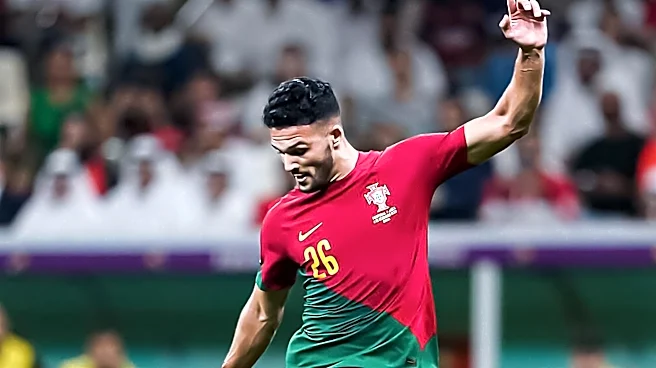
Across the bracket, Cristiano Ronaldo’s journey was a testament to his legendary discipline. At 41, he became one of the oldest outfield players in World Cup history. He explicitly confirmed this would be his final tournament, driven by the singular goal of capturing the one major trophy that has eluded him. Though Portugal was eliminated by Spain in a tight Round of 16 match, his presence was defining. Even in defeat, Ronaldo affirmed this was his last World Cup but stated he wouldn't rush a decision on his international future. His new national team coach, Jorge Jesus, has said the door remains open, but for fans, his World Cup story has likely reached its conclusion.
The Midfield Maestros' Swan Song
This tournament also marks the end of an era for a golden generation of midfield conductors. Croatia's Luka Modrić, at 40, has been a marvel of longevity, captaining his side with the same elegance he's shown for over two decades. After Croatia's exit, it's believed he will retire from the international game, capping a career that saw him reach a World Cup final and win the Golden Ball. Similarly, Belgium’s Kevin De Bruyne, now 35, has anchored his team’s ambitions. Following Belgium’s quarter-final loss, he admitted the physical toll of recent years and expressed a desire for a break, leaving his international future uncertain. These players represent a style of creative dominance that will be sorely missed.
The Passing of the Torch
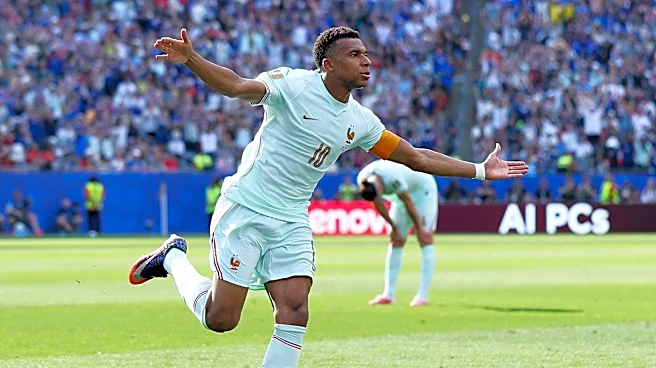
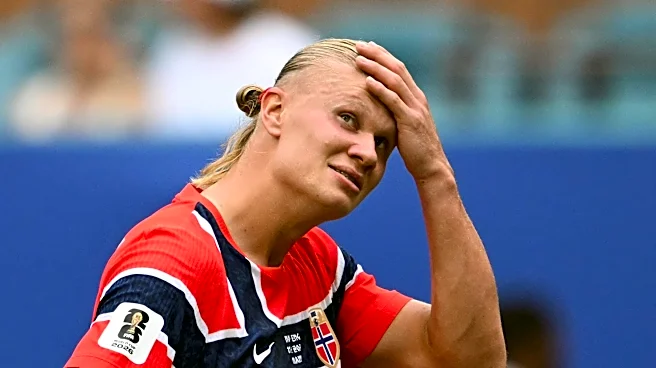
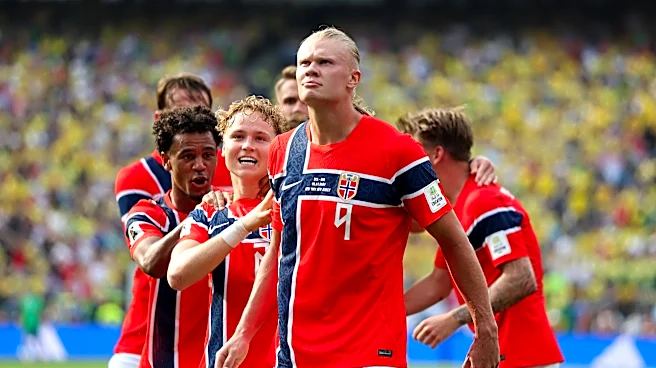
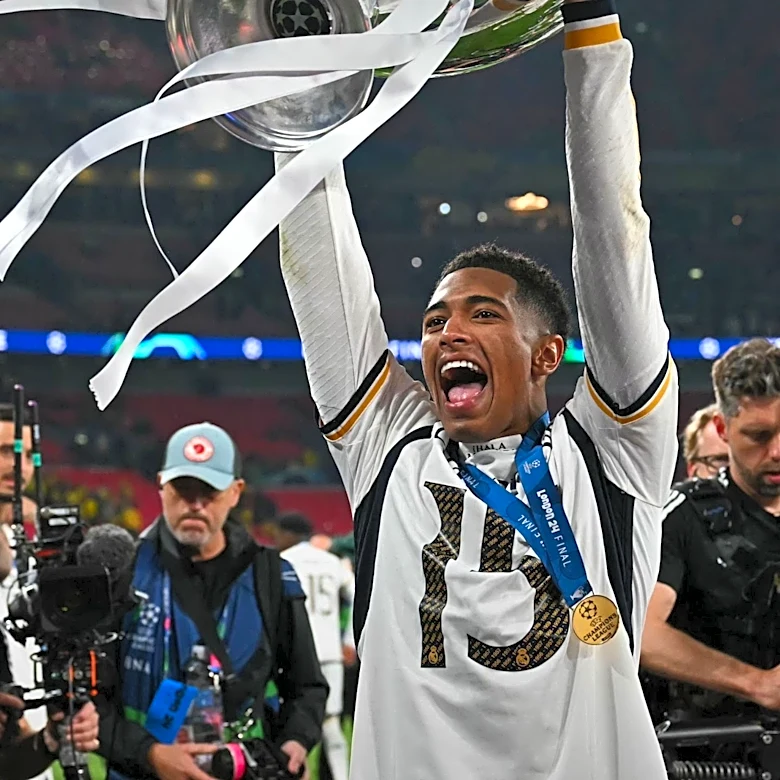
The compelling narrative of the legends' farewells is heightened by the concurrent rise of the next generation. As Messi, Ronaldo, and Modrić have played out their final acts, stars like France's Kylian Mbappé, Norway's Erling Haaland (watching from home), and England's Jude Bellingham have solidified their claims as the new faces of global soccer. This World Cup has served as a direct handover. The semi-final clash between Messi's Argentina and Bellingham's England is the perfect symbolic battleground—the established master against the ascendant apprentice. The tournament is not just an ending, but a very clear and dramatic beginning.