








More Than Just New Lines
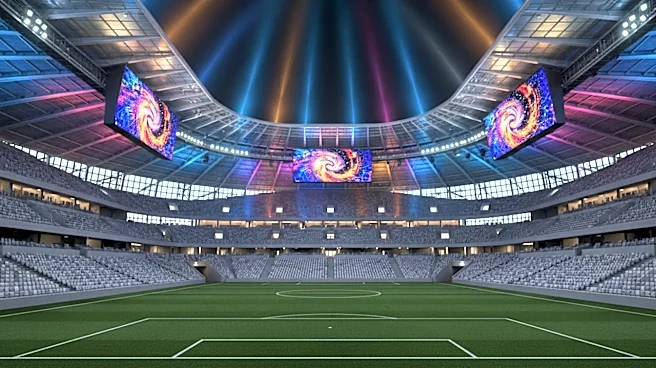
The first thing to understand is that converting an NFL stadium for a major soccer tournament like the World Cup isn't just about painting over the hash marks. The two fields are fundamentally different. An NFL field is 120 yards long (including end zones)
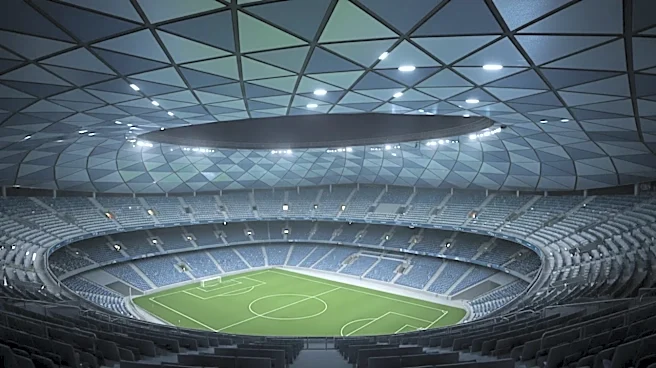
but only 53.3 yards wide. A FIFA-regulated pitch for elite competition is significantly wider, typically around 74 or 75 yards. That 20-yard difference is massive. It means the very footprint of the playing area has to change, which often requires a surprising amount of construction. In many stadiums, including MetLife in New Jersey and SoFi in Los Angeles, this meant physically removing thousands of seats in the lower corners of the stadium bowl to create the necessary width. It’s a delicate process of dismantling concrete and steel structures, all to give the world's best players the space they need.
The Grass is Always Greener… and Real
The biggest and most important change is the playing surface itself. FIFA mandates that its major tournaments be played on high-quality natural grass. This is a major issue for many modern NFL venues, which use durable, low-maintenance artificial turf to withstand the punishment of football and a packed calendar of concerts and other events. International soccer players and federations insist on natural grass for player safety and predictable ball behavior. Artificial surfaces can be hotter, harder, and are associated with a different pattern of player injuries. So, the fake stuff has to go. This isn't just a matter of rolling out sod over the top, which has been tried for lesser events with poor results. For premier events like the World Cup, the entire artificial surface is stripped away.
Building a Field from Scratch
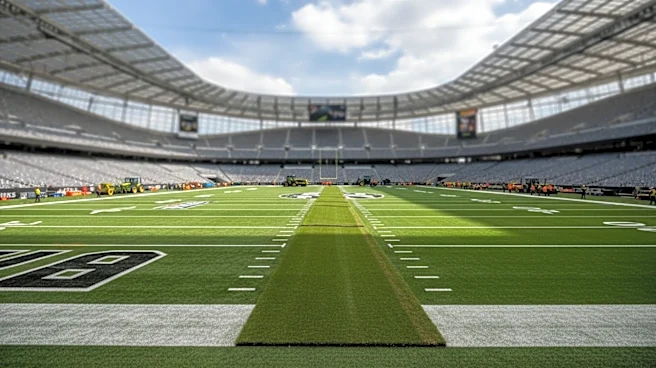
Once the artificial turf is gone, crews build a brand new field from the ground up, often right on top of the stadium's concrete base. It’s a complex layering process that can raise the field level by two feet or more. First comes a foundation of gravel and sand for drainage, followed by sophisticated irrigation and even air circulation systems to keep the eventual grass healthy. Then comes the star of the show: thousands of square feet of custom-grown grass. This turf is often cultivated for months at specialized farms sometimes hundreds or thousands of miles away, selected for its climate-appropriateness and durability. It arrives at the stadium in enormous, refrigerated rolls and is painstakingly laid out. For indoor or roofed stadiums like AT&T Stadium (rebranded Dallas Stadium for the World Cup), this creates another problem: no sunlight. The solution is a stunning array of massive, mobile LED grow lights that hang over the pitch, bathing it in an eerie pink glow to simulate sunshine and keep the grass in perfect condition.
The Final Touches and the Race Against Time
With the grass in place, the work still isn't done. The separate rolls of sod need to be seamlessly stitched together, often with a giant, wheeled sewing machine that reinforces the turf. Then come the precise markings for the soccer pitch, the installation of goals, and the reconfiguration of sideline areas for media and team benches. All of this happens on an incredibly tight schedule. While preparations for an event like the World Cup can begin years in advance with structural modifications, the actual field installation often happens in just a few weeks between the end of the NFL season and the start of the tournament. It's a high-stakes, multi-million dollar logistical ballet involving hundreds of workers and heavy machinery, all to create a perfect stage for the beautiful game.