




The Ocean as a Scene Partner
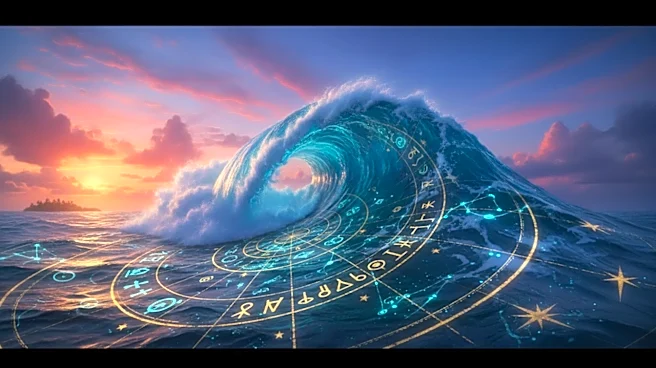
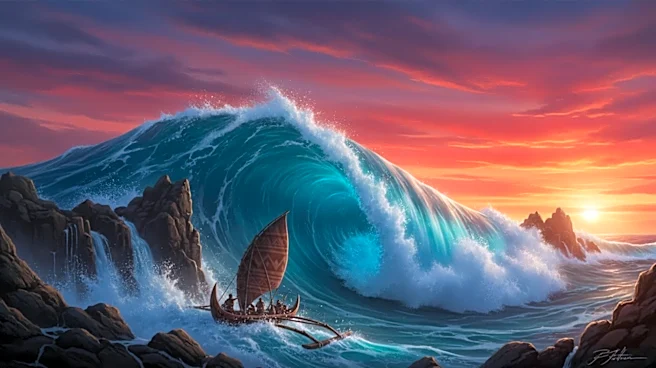
In Disney's original 2016 'Moana,' the ocean wasn't just a setting; it was a supporting character with a personality, motivations, and a crucial role in the narrative. Animators used a combination of character animation and effects to give it a distinct
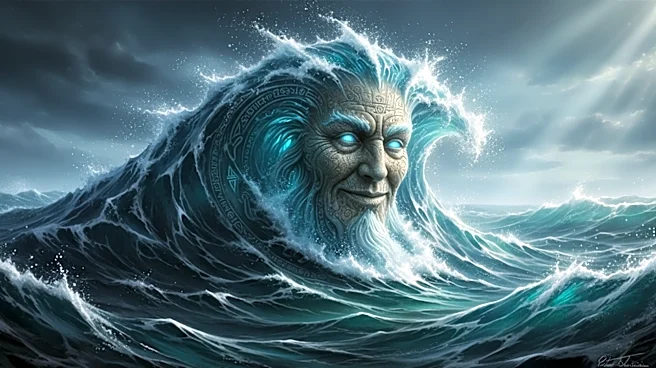
identity. It was playful, offering a high-five or teasing toddler Moana with a shell. It was a guardian, parting to create a path and shielding her from harm. And it was a mentor, pushing her forward when she faltered. This personification wasn't a gimmick; it was the story's soul. The ocean chose Moana, and their bond was the film's emotional anchor. It had a point of view: Moana must succeed, and the ocean itself would intervene to ensure she did.
The Uncanny Valley of Photorealism
The prevailing trend in Disney's live-action remakes, however, has been to trade this kind of expressive artistry for photorealism. Look at the 'live-action' 'The Lion King.' The animals were rendered with breathtaking technical accuracy, but in doing so, they lost the broad, human-like expressions that made the animated originals so emotionally resonant. Similarly, critics of 'The Little Mermaid' remake pointed out that the hyper-realistic designs for Flounder and Sebastian made them feel more like generic sea creatures than the vibrant personalities audiences loved. There's a danger that the pursuit of what looks real robs a story of what feels true. An ocean that is merely a photorealistic collection of water physics, no matter how impressively rendered, would be a massive step backward for 'Moana.'
What a 'Point of View' Really Means
Giving the ocean a 'point of view' isn't about slapping a face on a wave. It’s a deliberate filmmaking choice. It means using the tools of cinema—camera angles, lighting, sound design, and movement—to imbue the environment with intent. In the original, the 'camera' often moved with the water, making us feel its agency. A high-angle shot made it feel vast and powerful, while a close-up on a gentle tendril of water made it feel intimate and caring. A live-action version can achieve this, but not by default. It requires the director, Thomas Kail, to treat the ocean as an actor in the scene, blocking its movements and motivations with the same care as he does for Catherine Lagaʻaia’s Moana or Dwayne Johnson’s Maui. The question isn't 'can you make it look like water?' but 'can you make the water care?'
More Than Just a Special Effect
Ultimately, the challenge facing the 'Moana' remake is a microcosm of the challenge facing Hollywood's entire remake-heavy slate. When does a technological upgrade serve the story, and when does it become a distraction? A great remake justifies its existence by finding a new way into a beloved story, not by simply re-creating it with more advanced tools. The personification of the ocean was one of the most brilliant and innovative aspects of the original film. It was a visual representation of destiny, nature, and ancestral connection all rolled into one. To reduce it to a mere backdrop, a beautiful but empty digital sea, would be to fundamentally misunderstand what made the first film so magical. The technology should be in service of the character, not a replacement for it.