







Philosophy 1: Aggressive Correction
One camp of dermatologists believes that mature skin benefits most from an assertive, corrective approach. The goal here is to actively reverse signs of aging like deep-set wrinkles, significant sun damage, and loss of firmness. This philosophy champions
the use of powerful, clinically-proven ingredients at potent concentrations. The star player is often a prescription retinoid like tretinoin, considered the gold standard for stimulating collagen production and accelerating cell turnover. This approach might also include regular use of strong chemical exfoliants, such as glycolic acid, to slough off dull surface cells and improve skin texture and radiance. Proponents argue that since skin’s natural renewal processes have slowed dramatically by one's 60s, it requires a significant 'push' to see visible improvement. They contend that while there may be an initial period of irritation or 'retinization,' the long-term results—firmer skin, fewer wrinkles, and a more even tone—are worth the adjustment period for those whose skin can tolerate it.
Philosophy 2: Gentle Support and Barrier Repair
On the other side of the debate are dermatologists who prioritize gentle support and barrier health. This philosophy is rooted in the understanding that skin becomes thinner, drier, and more sensitive with age. The primary goal is not to force a dramatic reversal but to nourish, protect, and maintain the skin’s integrity. These experts argue that aggressive treatments can easily compromise an already fragile skin barrier, leading to chronic redness, irritation, and inflammation—which can paradoxically accelerate aging. Instead of high-strength retinoids, they might recommend gentler over-the-counter retinols, bakuchiol (a plant-based alternative), or peptides to encourage collagen production with less risk of irritation. Hydration and protection are paramount. Their ideal routine is rich in ceramides, hyaluronic acid, and niacinamide to fortify the skin barrier and lock in moisture. For exfoliation, they favor milder options like lactic acid or polyhydroxy acids (PHAs), used less frequently. The focus is on making the skin as healthy and resilient as it can be, which in turn helps it look its best.
The Sunscreen Stalemate
While all dermatologists agree that daily sunscreen is the single most important anti-aging step, they can differ on the specifics for mature skin. Some advocate for mineral sunscreens (zinc oxide, titanium dioxide) as the default choice for those over 60. The reasoning is that mineral formulas are generally less likely to cause irritation or allergic reactions on sensitive skin. They sit on top of the skin to physically block UV rays, offering broad-spectrum protection immediately upon application. Other dermatologists find that modern chemical sunscreens are perfectly safe and often more cosmetically elegant. Newer chemical filters are less irritating than their predecessors, and the lighter-weight, invisible-finish formulas can be more pleasant to wear daily, increasing compliance. For mature skin that is often dry, the hydrating feel of some chemical sunscreens can be a major benefit. Ultimately, the 'best' sunscreen is the one a person will actually wear consistently.
New Technology vs. Tried-and-True
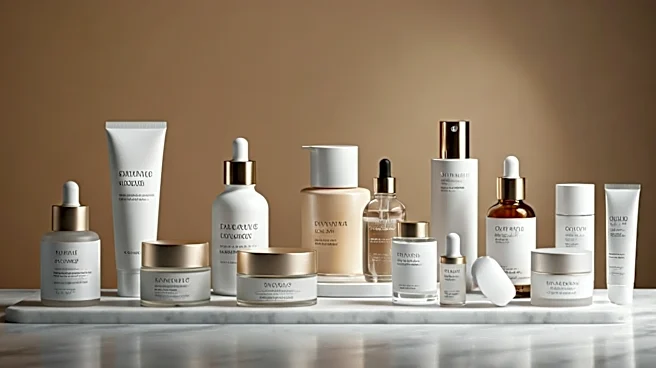
The final point of divergence often comes down to budget and belief in new science. The skincare market is flooded with products featuring cutting-edge (and expensive) ingredients like growth factors, exosomes, and proprietary peptide complexes. Some dermatologists are early adopters, arguing these ingredients represent the next frontier in cellular repair and can offer results that classics can’t. They may recommend these premium products to patients who want the latest and greatest and have the budget for it. Conversely, many other dermatologists remain skeptical, pointing to a lack of long-term, independent data compared to workhorses like Vitamin C, niacinamide, and retinoids. They argue that a simple, consistent routine with proven, affordable ingredients is far more effective than an expensive serum used sporadically. This camp believes that fantastic results are achievable without breaking the bank, and they often caution patients against the allure of marketing over science.