


The Turf vs. Tradition Problem
Here’s the deal: Hard Rock Stadium is a multi-purpose marvel. It hosts the Miami Dolphins, University of Miami football, major concerts, and even a Formula 1 race. To do that, it relies on durable, adaptable surfaces. But for the 2026 FIFA World Cup,
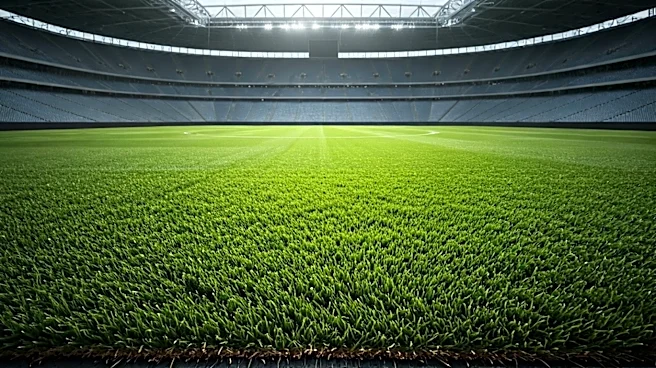
there’s a non-negotiable rule: every match must be played on pristine, natural grass. This isn’t just a preference; it’s a mandate for player safety and quality of play. The world’s best soccer players expect a surface that allows the ball to roll true and provides enough give to prevent injuries. This puts Miami, and several other U.S. host cities, in a tough spot. They must convert fields designed for the bruising gridiron of the NFL into delicate, consistent pitches worthy of the beautiful game.
A Multi-Million Dollar Science Experiment
So how do you turn a football stadium into a soccer paradise? It's a massive undertaking that's part agronomy, part engineering. The process involves installing a brand-new, living surface. Dolphins owner Stephen Ross anticipated this challenge years ago, investing in an 80-acre sod farm to cultivate a specific, heat-tolerant Bermuda grass. This isn't just a matter of rolling out new turf a week before the game. The pitches for the World Cup are complex, layered systems. They often involve a foundation of sand, sophisticated drainage and vacuum systems to control moisture, and even synthetic fibers stitched into the root zone to give the sod stability, almost like rebar in concrete. In stadiums without enough natural light, massive LED grow-light rigs work around the clock to keep the grass alive and healthy. It's an expensive, high-tech operation designed to create a perfect, living carpet under intense pressure and scrutiny.
Why Players Are Watching So Closely
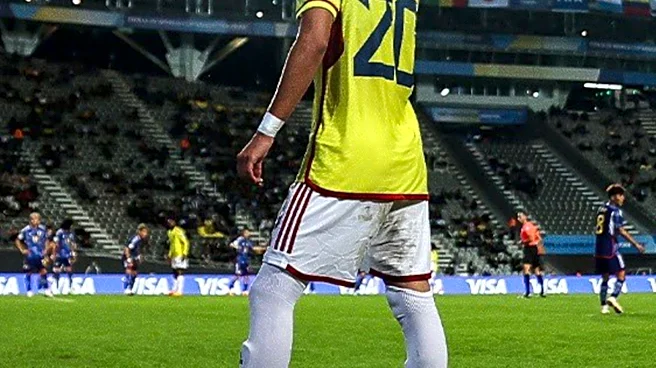
For the players, the quality of the pitch is everything. The debate between artificial turf and natural grass is a major point of contention, especially in the NFL, where a vast majority of players prefer grass, citing lower injury rates. When temporary grass is laid poorly over a hard base, it can draw sharp criticism. Players at recent tournaments have complained about surfaces feeling rigid, dry, or unpredictable, comparing them to trampolines or even cement. A bad pitch can slow down the pace of the game, cause unnatural ball bounces, and, worst of all, increase the risk of injury. This is why FIFA's standards are so strict. The organization is determined to avoid having the playing surface become a negative storyline during its marquee event, which means the pressure on host stadiums like Miami is immense.
Miami's Bid for Redemption
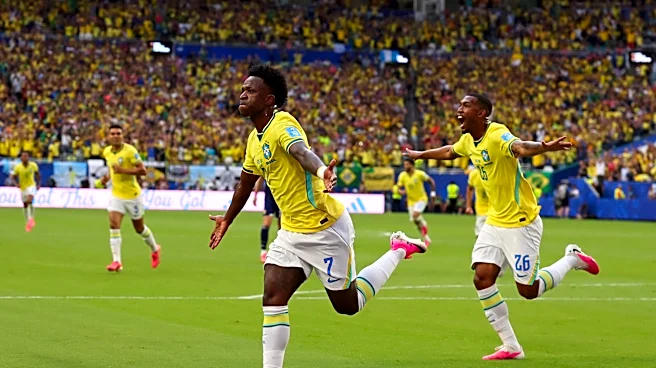
Previous tournaments have served as crucial, and sometimes harsh, test runs. The 2024 Copa América saw complaints about temporary grass fields at some U.S. venues, highlighting how difficult it is to get right. Organizers are using those lessons to prepare for 2026. Unlike some past efforts where grass was simply laid over the existing surface, the World Cup demands a more integrated, rooted system. For its part, Hard Rock Stadium has experience, having installed grass for previous soccer events. The plan to install the World Cup pitch weeks in advance is intended to allow the roots time to anchor, creating a more stable and natural-feeling surface. By growing the grass locally and leveraging its experience, Miami aims to set the standard and prove that an American football stadium can deliver a world-class soccer pitch.