


The 'Bigger is Better' Illusion
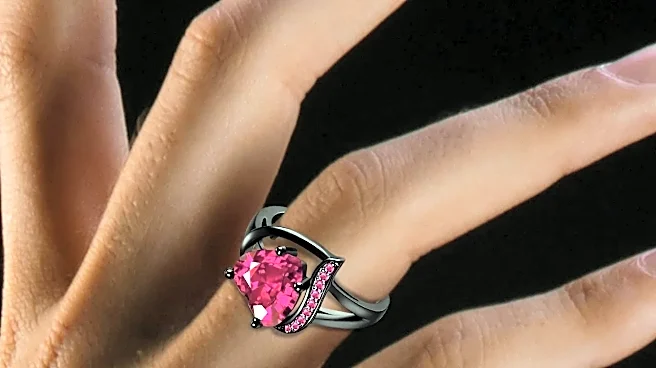
The number one reason people choose a split-shank setting is its magical ability to make a center stone look larger. The divided band creates negative space, drawing the eye inward and framing the diamond, which boosts its perceived size without increasing
the carat weight. This is the design’s main selling point. However, the trick doesn't always work as intended. If the split is too wide or the band too thick for a smaller stone, it can overwhelm the diamond, making it appear lost in a sea of metal. The goal is to enhance the stone, not compete with it. A well-proportioned ring has a split that complements the diamond's shape and size, creating balance rather than just bulk. For elongated shapes like ovals or pears, the split can beautifully echo the stone's lines, but for a small round stone, a dramatic split might be a mistake.
The Durability Deception
Looking at the two strands of metal, you might assume a split-shank ring is inherently stronger than a classic single band. More metal, more strength, right? Not necessarily. The ring's weak point is often where the two shanks join the setting that holds the main stone. If not expertly crafted, these junctions can become stress points. A poorly made split-shank can be more prone to bending or damage than a well-made solitaire ring. Durability depends heavily on craftsmanship, metal thickness, and the width of the split itself. A wider split generally offers more stability, especially for larger stones, while a very narrow, delicate split on a thin band can be a recipe for trouble. High-quality materials like platinum or thicker gold bands improve durability, but the engineering of the split is what truly matters.
The Wedding Band Blind Spot
Here’s a detail countless buyers forget until it’s too late: pairing a wedding band. Many split-shank rings, especially lower-profile designs, do not allow a straight wedding band to sit flush against them. The way the shank divides and curves often occupies the very space where a wedding band should go, resulting in an awkward gap. While some people don't mind the gap, those who want a seamless stack are often left frustrated. The solution is typically a custom-made curved or contoured wedding band designed to nestle perfectly against the engagement ring. This isn’t a dealbreaker, but it’s a crucial consideration that can affect your wedding set's overall look and budget. Always think about the band pairing before you commit to a specific split-shank design.
The Comfort Calculation
A wider ring can feel more substantial and secure, and many find split-shank designs perfectly comfortable for daily wear. However, the total width of the split can be a surprise. A design that looks airy and delicate in a photo can feel wide and bulky on the finger, especially for those with smaller hands. The spaces in the split can also sometimes trap moisture or snag on clothing and hair, particularly if the design is intricate or has sharp edges. The comfort of a split-shank ring depends on how smoothly the edges are finished, how the band tapers at the bottom, and whether it’s a good proportional fit for your specific finger. It’s a style that’s highly recommended to try on in person to see how it feels before making a final decision.
The Maintenance Myth
Any ring with intricate details requires more upkeep, and the split-shank is no exception. The gaps and extra corners created by the split are perfect traps for dirt, lotion, and soap residue. If the shanks are lined with small pavé diamonds, the cleaning challenge multiplies. These tiny stones also need to be checked periodically by a jeweler to ensure they haven’t come loose. While a simple solitaire can be cleaned quickly, a split-shank ring demands more diligent care to keep it sparkling and structurally sound. It’s not a high-maintenance nightmare, but buyers should be prepared for a bit more effort to keep the ring looking its best.