




The New Power Suit is... Quiet
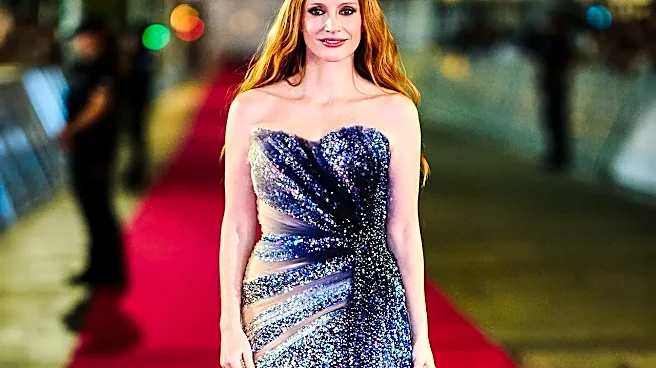
Forget the million-watt glitter bombs of awards seasons past. At TIFF 2026, the real power play is subtlety. We're not talking about boring, but rather a deliberate turn towards classic tailoring, luxurious fabrics, and silhouettes that prioritize form
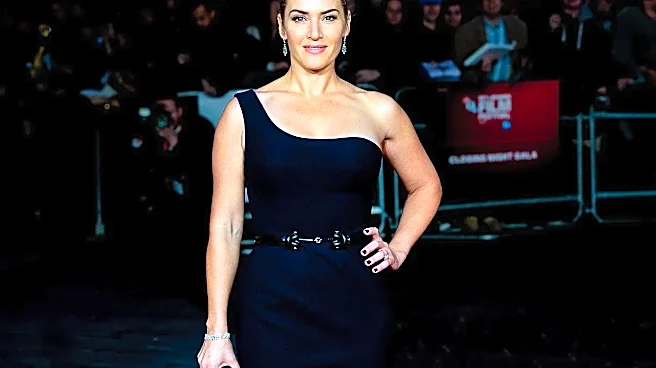
over flash. Take Sebastian Stan at the premiere of 'Fjord'. He wore a simple, slate-gray double-breasted suit over a clean white crewneck. The look was sharp, confident, and put the focus squarely on him, not just the label. Similarly, Penélope Cruz, accepting a Tribute Award, opted for a beautifully simple black Chanel gown with a scooped neckline that highlighted a single, stunning necklace. This isn't about dressing down; it's about a new kind of dressing up, where the clothes serve the star, not the other way around. It’s a message that says, “I’m here for the art, and my work speaks for itself.”
A-Listers Championing Simplicity
The trend is being led by some of Hollywood's most established names, who are trading high-octane glamour for a more grounded elegance. Naomi Watts has been a key proponent, appearing in a black satin Celine gown with classic pointed pumps for 'The Housewife' premiere. The dress had a large bow, but the clean lines and monochrome palette kept it sophisticated rather than showy. Jodie Comer, known for her understated style, continued the trend at the 'Stuffed' premiere in a black Fendi Couture tunic dress with minimal jewelry. It’s a look that one commentator noted was a reflection of her typical approach to red carpet dressing. Even stars known for more playful fashion are getting in on the act. Ayo Edebiri chose a white one-shoulder Chanel dress with clean black detailing for her premiere. These choices feel intentional—a collective exhale after years of red carpet one-upmanship.
From 'Quiet Luxury' to Confident Cinema
So, why the shift? It seems the 'quiet luxury' trend that has dominated street style and consumer habits for the past few years has finally permeated the highest echelons of celebrity culture. The focus is on timeless pieces, impeccable craftsmanship, and a rejection of logo-mania. But at a film festival, it also signifies something deeper. TIFF is often seen as the more serious, cinema-focused kickoff to awards season, in contrast to the pure spectacle of the Met Gala or the high-stakes glamour of the Oscars. By choosing more restrained looks, stars and their stylists are aligning themselves with the festival's artistic credibility. They are subtly positioning themselves as serious actors here to celebrate film, creating a clear distinction between their craft and the business of being a celebrity.
Not the End of Glamour, But an Evolution
Of course, this doesn't mean the red carpet is devoid of high drama. There have still been show-stopping moments, like Fan Bingbing’s grand, green mermaid gown. However, these moments of classic maximalism now feel like the exception rather than the rule. The dominant conversation is around the striking simplicity of looks like Gemma Chan's white Calvin Klein maxi dress or Mackenzie Davis's velvet Alaïa bodycon number. What we're witnessing is not the death of glamour but its evolution. The new 'wow' factor isn't about the volume, the color, or the number of crystals. It's about perfect tailoring, self-possession, and the kind of elegance that doesn't need to shout to be heard. It's a style that feels modern, mature, and perfectly suited for a festival where the films, not just the fashion, are meant to be the main event.