





The Art of the Daytime Suit
Long gone are the days when a daytime press appearance demanded a stiff, formal suit. At TIFF, the name of the game is relaxed sophistication. Think of it as tailoring that has learned to exhale. For daytime photocalls and interviews, stars and their
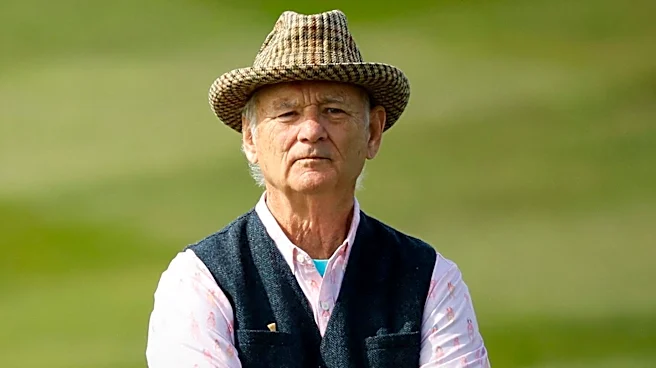
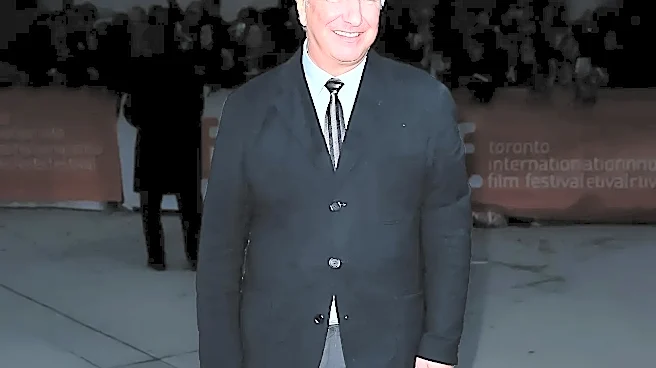
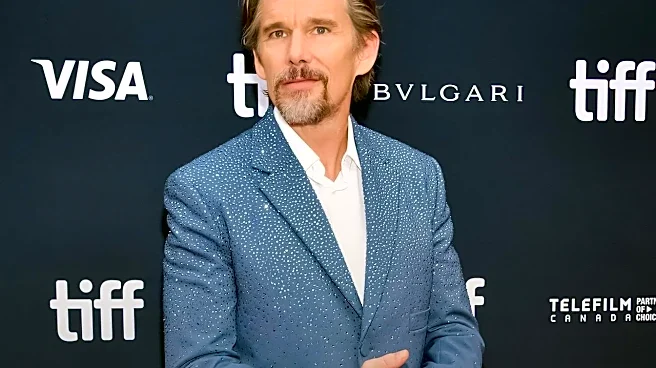
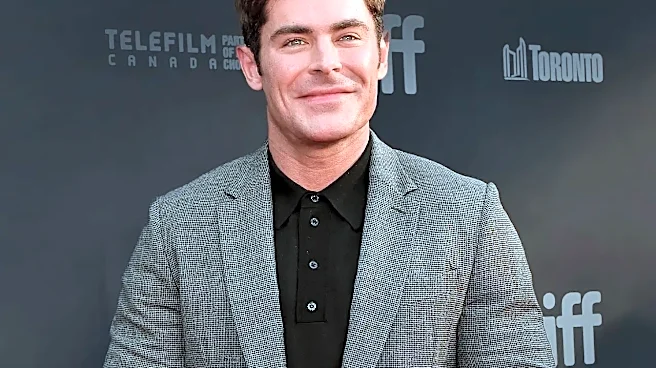
stylists opt for what could be called “the un-suit suit.” This often involves deconstructed blazers with soft shoulders, trousers in luxurious but comfortable fabrics, and a conspicuous absence of ties. We’re seeing actors pair sharp blazers with high-quality knitwear or even a simple, well-cut t-shirt. It’s a look that projects an air of effortless cool, suggesting that the star is serious about their craft but doesn’t take the formality of the event too seriously. This approach aligns with a broader cultural shift where the lines between casual and formal wear have blurred. An actor in a lightweight, open-collared suit for a 10 a.m. press event looks polished and professional without appearing unapproachable or out of touch.
Premiere Night Polish
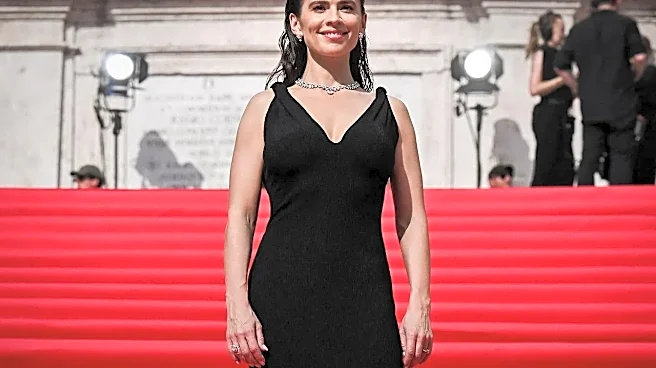
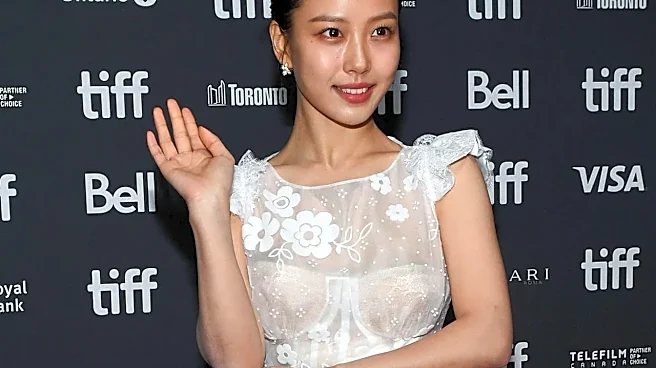
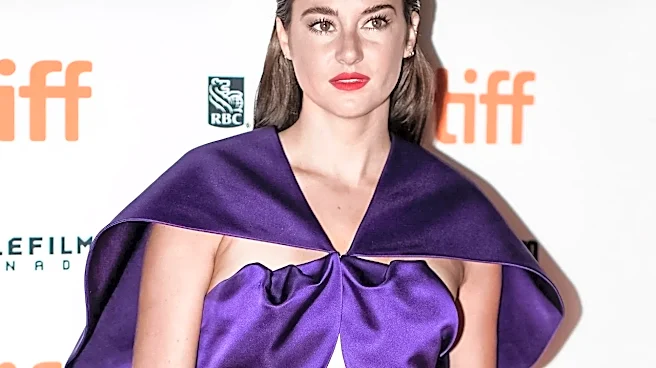
When the sun sets over Toronto, the sartorial energy shifts. The evening premieres at venues like Roy Thomson Hall call for a return to glamour and high formality. This is where classic tailoring makes its grand entrance. For men, this often means a return to the tuxedo, but not without modern twists. We've seen classic black tuxes reinvented with interesting textures, such as velvet or subtle patterns, and sharp, contemporary cuts. Some leading men are ditching the traditional bow tie for a more modern, open-collar look or even a brooch, adding a touch of personal flair to a timeless uniform. For women, premiere tailoring translates into powerful pantsuits with sharp silhouettes, elegant jumpsuits, and structured gowns that use tailoring techniques to create dramatic shapes. While TIFF's dress code is notably less rigid than, say, Cannes, the gala premieres are where Hollywood's A-list truly embraces the high-wattage power of a perfectly tailored evening look.
The Versatile Middle Ground
The most interesting style stories at TIFF often happen in the space between the casual day and the formal night. A celebrity’s schedule is relentless, often leaving little time for a complete overhaul between a late-afternoon press screening and an early-evening premiere party. This is where versatile, transitional pieces become invaluable. A well-tailored blazer worn with dark jeans for a day event can be instantly elevated for the evening by swapping the jeans for tailored trousers and adding a dress shoe. Similarly, a simple dress can be transformed with the addition of a sharp tuxedo jacket. This strategic approach to dressing showcases a new kind of festival savvy. It’s less about having a dozen different outfits and more about having the right key pieces that can be mixed, matched, and layered to suit the occasion. It reflects how modern men and women dress in real life—investing in quality, versatile items rather than subscribing to rigid, outdated dress codes.
Tailoring as Personal Branding
Ultimately, the spectrum of tailoring at TIFF reveals that suiting is no longer just a uniform; it’s a powerful tool for self-expression and personal branding. An actor’s choice to go tieless, wear sneakers with a suit, or opt for a boldly colored ensemble is a deliberate statement. This shift reflects a broader trend in menswear and womenswear, where individuality is prized above conformity. Stars like Colman Domingo and Andrew Scott, both expected at TIFF, are known for using fashion to tell a story, and their choices on the red carpet are as much a part of their performance as their work on screen. The decision to wear a relaxed, unlined linen suit to a premiere or a razor-sharp, double-breasted tuxedo to a daytime event subverts expectations and asserts a unique style identity. In the landscape of a major film festival, where dozens of stars are vying for attention, a distinctive and authentic approach to tailoring can make all the difference.