





The Architect of the Unseen
When you think of a fashion designer, you likely picture a singular artist sketching silhouettes. But the designer of the garment is often not the designer of its most fundamental component: the fabric. That role belongs to the textile developer, a unique
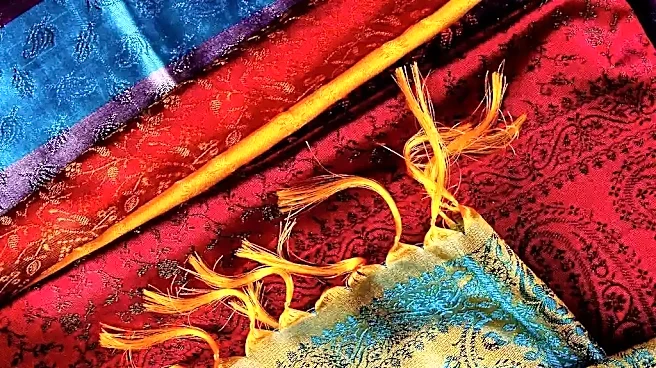
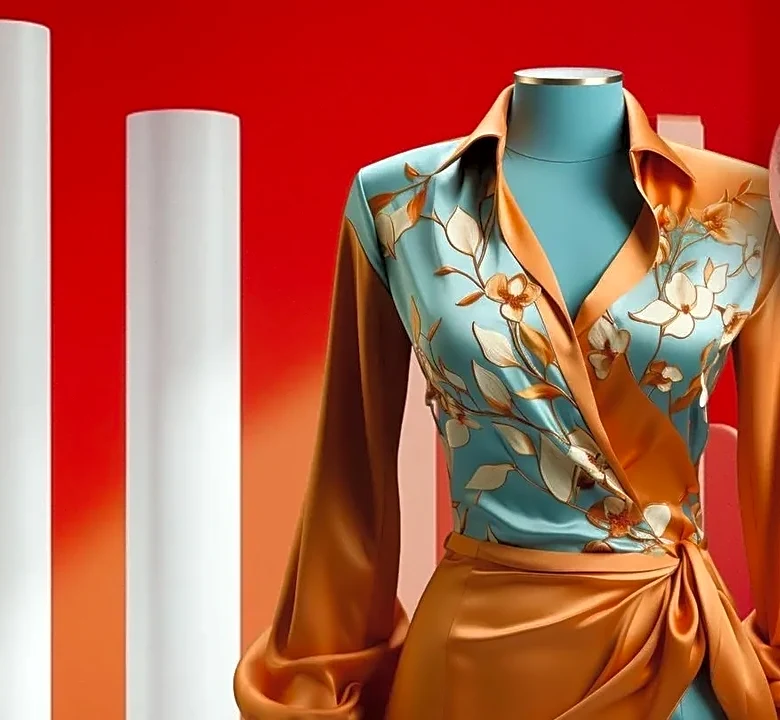
professional who blends artistry with technical science to create the very materials of fashion. This figure acts as the crucial bridge between a creative concept and a producible product. They work with designers to develop brand-new weaves, innovative prints, and unique textures, managing the entire process from raw fiber to finished cloth. Their job is to translate a mood or an abstract idea—say, “the color of a winter sunrise” or a fabric that “feels like a memory”—into a real, functional material that can be cut and sewn.
The graveyard of beautiful ideas
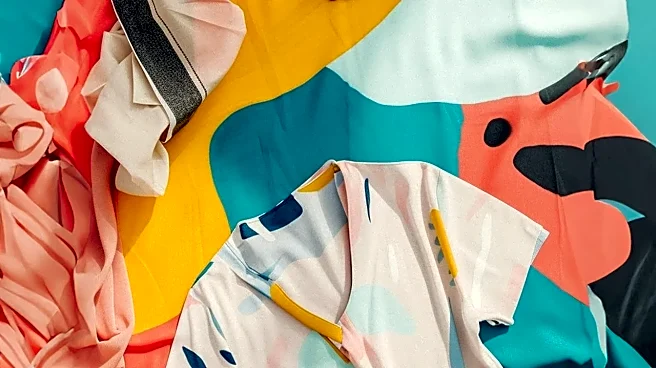
For every fabric that makes it to the catwalk, countless others are left behind. This is where the textile developer provides options viewers never see. The process is a rigorous back-and-forth of experimentation. A designer might request a silk that holds a stiff shape or a wool that’s as light as air. The developer will produce dozens of samples, each a slight variation in weave, weight, dye, or finish. One sample might have the perfect color but the wrong drape; another might have a beautiful texture that proves too fragile for production. These rejected textiles represent a hidden world of creative exploration. They are the alternate realities of a collection, the ghost garments that existed only as a few square inches of cloth before being discarded in favor of the final, perfect version. Each failed sample provides crucial data, pushing the final product closer to the designer's vision.
London's Hunger for Newness
London's fashion scene, known for its rebellious spirit and avant-garde creativity, is particularly reliant on strong textile development. Unlike other fashion capitals that might lean more heavily on commercial appeal, London has built its reputation on pushing boundaries. This is where textile innovation becomes a competitive edge. Designers in London are constantly seeking materials that have never been seen before to tell new stories. This has fostered a thriving ecosystem of specialized mills, tech labs, and independent artisans dedicated to creating novel materials. Institutions like the University of the Arts London's Fashion, Textiles and Technology Institute (FTTI) are actively researching everything from bio-materials grown from bacteria to AI-designed fibers, feeding the industry's demand for the next big thing.
More Than Just Material
In today’s climate, the role of the textile developer has evolved beyond pure aesthetics. With sustainability becoming a major focus, developers are now key players in creating a more responsible fashion industry. They are challenged to source eco-friendly fibers, invent less-polluting dye processes, and design fabrics that are durable and recyclable. For example, London is a hub for initiatives looking to turn waste into new textiles and create natural dyes from algae. A strong developer doesn't just present a designer with beautiful options; they provide choices that are ethically sound and technologically advanced. They balance the creative vision with the practical constraints of cost, performance, and environmental impact, making them indispensable in navigating the future of fashion.