




The Pro’s Secret Weapon: Skin Prep
Before we even discuss foundation, let's talk about the canvas. The single biggest difference between a professional and an amateur application is skin preparation. Pros know that foundation can't do its job on skin that's dry, flaky, or overly oily.
They begin by thoroughly cleansing the skin to remove any impurities. Next comes targeted hydration; even oily skin needs a lightweight moisturizer to stay balanced, while dry skin requires a richer cream to prevent foundation from clinging to dry patches. Many artists then use a primer tailored to the client's skin and the desired foundation finish—a mattifying primer for oily zones or a hydrating one for a dewy look. This multi-step process creates a smooth, balanced surface, allowing any foundation to glide on and look its best. Beginners often skip these crucial steps, applying foundation directly onto unprepared skin, which is the primary reason for a patchy, uneven result.
The Matte Misconception: From Flawless to Flat
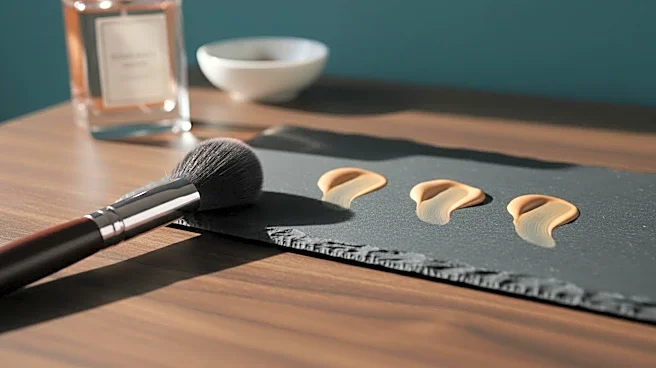
Matte foundation is designed to absorb oil and provide a shine-free, velvety finish. It's a favorite for those with oily or combination skin. On a beginner, however, it can often look heavy, chalky, or "cakey." This usually happens for two reasons: poor skin prep and over-application. Applying a mattifying formula to dehydrated skin will cause it to cling to every dry patch, emphasizing texture you didn't know you had. Beginners also tend to apply too much product at once, hoping to cover imperfections, which results in a mask-like appearance. A pro, on the other hand, preps the skin with intense hydration, even before applying a matte product. They then apply the foundation in very thin, strategic layers, using a damp sponge or a stippling brush to press it into the skin rather than rubbing it around. They build coverage only where needed, leaving other areas of the skin looking more natural. The goal is controlled perfection, not total obliteration.
The Satin Struggle: Achieving the 'Skin-Like' Sheen
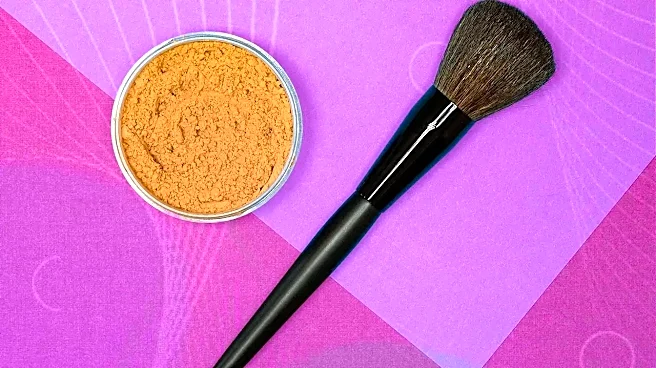
Satin finish is the happy medium—not as flat as matte, but not as shiny as dewy. It's meant to mimic the look of healthy, natural skin. For a beginner, this can be an elusive target. If not applied correctly, a satin finish can either look greasy in some spots or settle into fine lines in others. The professional approach is all about strategic application and setting. Pros often apply satin foundation starting from the center of the face and blending outwards. This deposits the most coverage where it's typically needed (around the nose and chin) and feathers it out for a seamless finish. The key difference is how they set it. Instead of dusting powder all over the face, which would kill the subtle sheen, they use a small, fluffy brush to apply a translucent powder very strategically—only on the T-zone, under the eyes, and around the nose, where oil is most likely to break through. This hybrid technique maintains the satin glow on the high points of the face while ensuring the makeup stays put.
The Dewy Divide: Glowing vs. Greasy
A dewy finish promises a luminous, hydrated, and youthful glow. For beginners, this can quickly veer into looking plain oily or sweaty. This happens when a luminous product is applied uniformly all over the face, especially on skin that already has oily tendencies. The professional’s goal with a dewy look is not all-over shine, but a controlled, dimensional glow. They achieve this by being selective. First, they often use a hydrating or illuminating primer only on the high points of the face, like the cheekbones, before foundation. Then, they might mix a liquid illuminator into the foundation itself. The real trick is in the finishing. A pro will use a dewy setting spray to meld the makeup layers together but will still strategically mattify the center of the face (the T-zone) with a touch of powder. This contrast—a matte center with glowing perimeters—is what creates that intentional, expensive-looking radiance, rather than an accidental, all-over shine.