






1. Laura Mvula
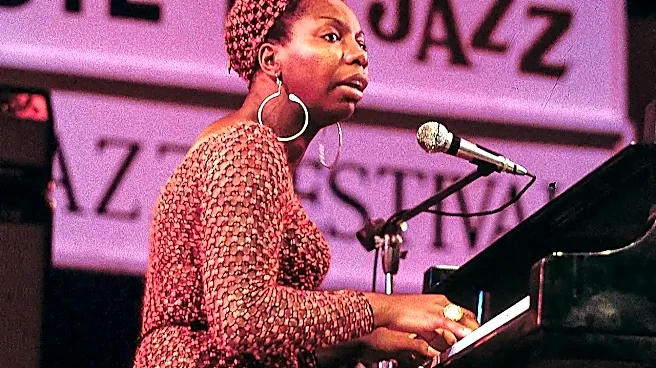
If you're drawn to the way Nina Simone infused her classical piano training into the fabric of soul and jazz, British singer Laura Mvula is your next destination. Mvula, a conservatory-trained composer, builds songs with stunningly complex vocal harmonies
and orchestral arrangements that feel both timeless and completely modern. Critics have frequently made the Simone comparison, particularly in the sophisticated musicality that underpins her work. Mvula herself has acknowledged Simone's profound influence, even exploring it in a BBC documentary. Her music doesn't just borrow a style; it continues the tradition of treating soul music with the grand, ambitious scope of a classical piece. For a perfect entry point, listen to her debut album 'Sing to the Moon', which showcases this beautiful fusion.
2. Fiona Apple
Nina Simone's power came not just from her voice, but from her unflinching emotional honesty, often delivered with percussive, demanding piano playing. Fiona Apple is the clearest modern heir to this specific brand of intensity. From her 1996 debut 'Tidal', Apple's jazz-inflected stylings and piano-driven rage drew comparisons to Simone. Like Simone, Apple's music is an exercise in control and chaos; her voice can shift from a smoky whisper to a guttural roar in an instant, and her lyrics are unflinchingly direct. While others in her generation looked to grunge, Apple was studying jazz standards and artists like Simone. For those who love the moments when Nina's voice cracks with raw feeling or when her piano playing becomes a physical extension of her frustration, Fiona Apple's entire catalog will feel like coming home.
3. Benjamin Clementine
The first time you hear Benjamin Clementine, the comparison to Nina Simone is immediate and undeniable. The British musician shares Simone's dramatic, commanding vocal delivery and her ability to make the piano sound like a full orchestra and a percussive weapon at the same time. Rolling Stone once described his sound as 'Nina Simone's brother steps into an elegant French café, sits down at the piano and tears open a vein'. It's a perfect description. Clementine, who also cites Simone as a hero, blends classical influences with theatrical, soulful vocals to create something entirely his own yet deeply reverent of her legacy. His breakout song, 'Nemesis', has the same blend of sorrow, defiance, and captivating melody that made Simone's work so powerful.
4. Jamila Woods
A huge part of Nina Simone's legacy is her activism. She wasn't just a singer; she was a voice for the Civil Rights Movement. Chicago's Jamila Woods carries that torch with grace and power. A poet, singer, and songwriter, Woods weaves Black history, culture, and resistance into every note of her music. Her album 'LEGACY! LEGACY!' features tracks named after iconic Black and brown artists and thinkers, from James Baldwin to Eartha Kitt. This approach mirrors how Simone used her platform to educate and agitate with songs like 'Mississippi Goddam' and 'Four Women'. Woods' music is a modern continuation of the artist-as-activist tradition, blending soulful R&B with sharp, poetic social commentary that feels essential and urgent, just as Simone's did.
5. Moses Sumney
What made Nina Simone a genius was her refusal to be categorized. She was a folk singer, a jazz pianist, a blueswoman, and an avant-garde performer all at once. Moses Sumney embodies this same spirit of radical genre-fluidity. The Ghanaian-American artist floats between soul, art-rock, classical, and electronic music, held together by his astonishing, acrobatic falsetto. Sumney's performances are known for their theatricality and emotional weight, often channeling the raw, almost spiritual energy that defined a Nina Simone concert. He has covered Simone's songs and has been known to duet over her classics, showing a clear appreciation for her influence. If you love Nina for her boundary-pushing, her experimental arrangements, and her sheer, undeniable uniqueness, you will find a kindred spirit in Moses Sumney's music.