





The Anti-Peacocking Uniform
Forget the peacocking seen at fashion weeks in Paris or New York. The unofficial dress code of Art Basel, particularly among the serious collectors, gallerists, and artists, is a study in calculated restraint. The key elements are deceptively simple:
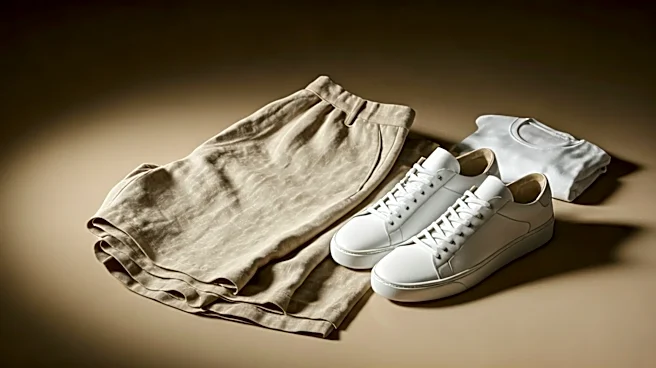
an oversized linen shirt that suggests it was grabbed off a chair, wide-leg trousers that prioritize air-flow over silhouette, and expensive sneakers that look just broken-in enough. Accessories are minimal but significant—a vintage watch with a story, a single piece of sculptural jewelry from an obscure designer, or a gallery tote bag serving as a subtle badge of honor. Hair is often left to its own devices (or styled to look that way), and makeup, if present, is of the 'no-makeup makeup' variety. It’s a head-to-toe performance of being too intellectually engaged with thousand-foot-long paintings to be bothered with something as trivial as a perfectly pressed outfit.
The Performance of Creative Class
This carefully crafted 'undone' look is, in itself, a form of performance art. It’s a visual shorthand for membership in the creative class. In a world saturated with logos and blatant displays of wealth, the Basel uniform signals a different kind of status—one based on taste, intellect, and insider knowledge. It says, 'I am not a tourist here for the parties; I am a participant in the ecosystem of art.' A pristine, corporate suit would feel jarringly out of place, suggesting one has just come from a bank meeting. Conversely, an over-the-top, high-fashion ensemble might imply you’re more interested in being seen than in seeing the art. The 'undone' look hits the perfect note of creative seriousness. It’s a costume that tells everyone you belong, that you understand the implicit rules of a world that values ideas above all else.
Modern Sprezzatura
The concept isn't new. It's a modern interpretation of *sprezzatura*, an Italian term coined in the 16th century by Baldassare Castiglione in 'The Book of the Courtier.' He defined it as 'a certain nonchalance, so as to conceal all art and make whatever one does or says appear to be without effort and almost without any thought about it.' The goal was to make difficult accomplishments seem natural and effortless. Five hundred years later, the courtyards of Renaissance Italy have been replaced by the concrete floors of the Miami Beach Convention Center. The art of looking like you haven't tried—while having meticulously planned every detail of your appearance—is the ultimate social currency in an environment dedicated to aesthetics. The slightly wrinkled shirt isn't a mistake; it's a deliberate choice, a mastery of casual elegance that proves you’re too cool to care.
Quiet Luxury Meets Practicality
There's also a practical dimension that cleverly merges with status signaling. Miami in December is famously hot and humid. Navigating the sprawling exhibition halls and satellite fairs requires miles of walking. In this context, breathable fabrics like linen, comfortable footwear, and un-fussy styling are simply logical. But this is where curation elevates practicality into a statement. The linen isn't from just anywhere; its drape and cut come from a high-end, minimalist brand. The sneakers aren't generic; they are from a coveted collaboration or a heritage brand known for its quality. This is the essence of 'quiet luxury'—wealth that doesn't shout, but whispers through superior materials, expert craftsmanship, and understated design. It’s a look that functions perfectly for the environment while simultaneously broadcasting a deep understanding of quality and taste that requires no loud logo to validate it.