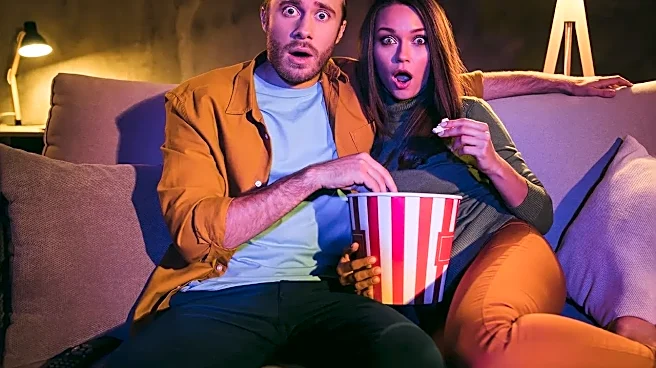




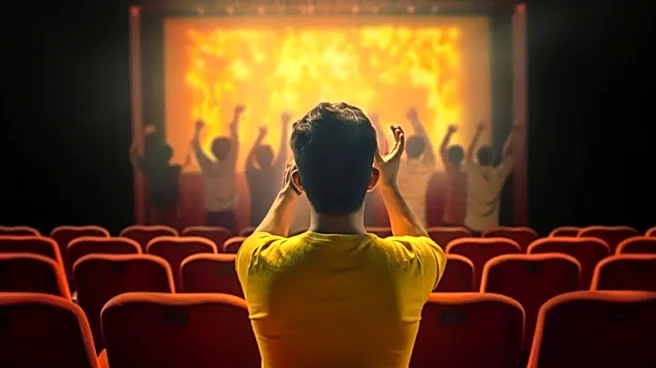

It’s a familiar scene: you’re watching a horror movie, the tension is unbearable, and your hands are halfway over your eyes. But what if the scream that follows is actually a laugh? Here’s how comedy masterfully defangs the jump scare.
The Science of the Scare
Before we get to
the laugh, let’s talk about the jolt. A jump scare is a classic horror tool designed to hijack your brain’s threat-detection system. Filmmakers build suspense with eerie quiet, a slow camera pan, or a character inching toward a dark doorway. Your heart rate climbs and your senses are on high alert. Then, a sudden loud noise and a fast-moving threat on screen trigger your amygdala, the part of the brain responsible for the fight-or-flight response. Adrenaline floods your system before your conscious mind can even process what happened. It’s a purely physiological reaction to a perceived danger, a primal trick that works whether the threat is a ghost in a movie or a predator in the wild.
Laughter as a Pressure Release
Now, enter the hero of our story: comedy. Laughter is, in many ways, the neurochemical opposite of fear. While fear pumps you full of cortisol and adrenaline, genuine laughter releases endorphins, the body’s natural feel-good chemicals. It’s a signal to your nervous system that you are safe. Psychologically, humor functions as a 'fear defuser'. When a movie follows a terrifying moment with a joke, it gives all that built-up nervous energy a place to go. Instead of festering into lingering dread, the tension is released in a burst of laughter, allowing your body to regulate itself and come down from its heightened state of alert.
The 'Shaun of the Dead' Method
Horror-comedies are masters of this tension-and-release cycle. Take a film like 'Shaun of the Dead' or 'Scary Movie'. They meticulously construct scenes using the language of pure horror, luring you into a state of expectation and dread. You know the jump scare is coming. But right at the peak of that tension, they subvert the trope. Instead of a monster, the thing lunging from the shadows might be a bumbling sidekick, or the terrifying ghost might trip over the furniture. The scare still lands, making you jump, but it’s immediately followed by the absurdity of the situation. This creates a pattern. The audience learns that the scare isn't the final destination; the laugh is. This reframes the experience from one of pure terror to a more playful, roller-coaster-like thrill.
From Fright to Fun
This combination does more than just give you a break from the fear; it fundamentally changes your relationship with it. When comedy is woven into the fabric of a horror narrative, it provides what psychologists call 'decentering'—the ability to step back and observe your feelings from a distance. You’re not just a victim of the film’s scary tactics; you’re in on the joke. Characters who provide comic relief, like Rod in 'Get Out' or Randy in 'Scream', act as audience surrogates. They say what we’re thinking, point out the absurdity of the situation, and break the isolating spell of fear. This creates a communal feeling, even when you're watching alone, reminding you that it's all just a story designed to entertain.